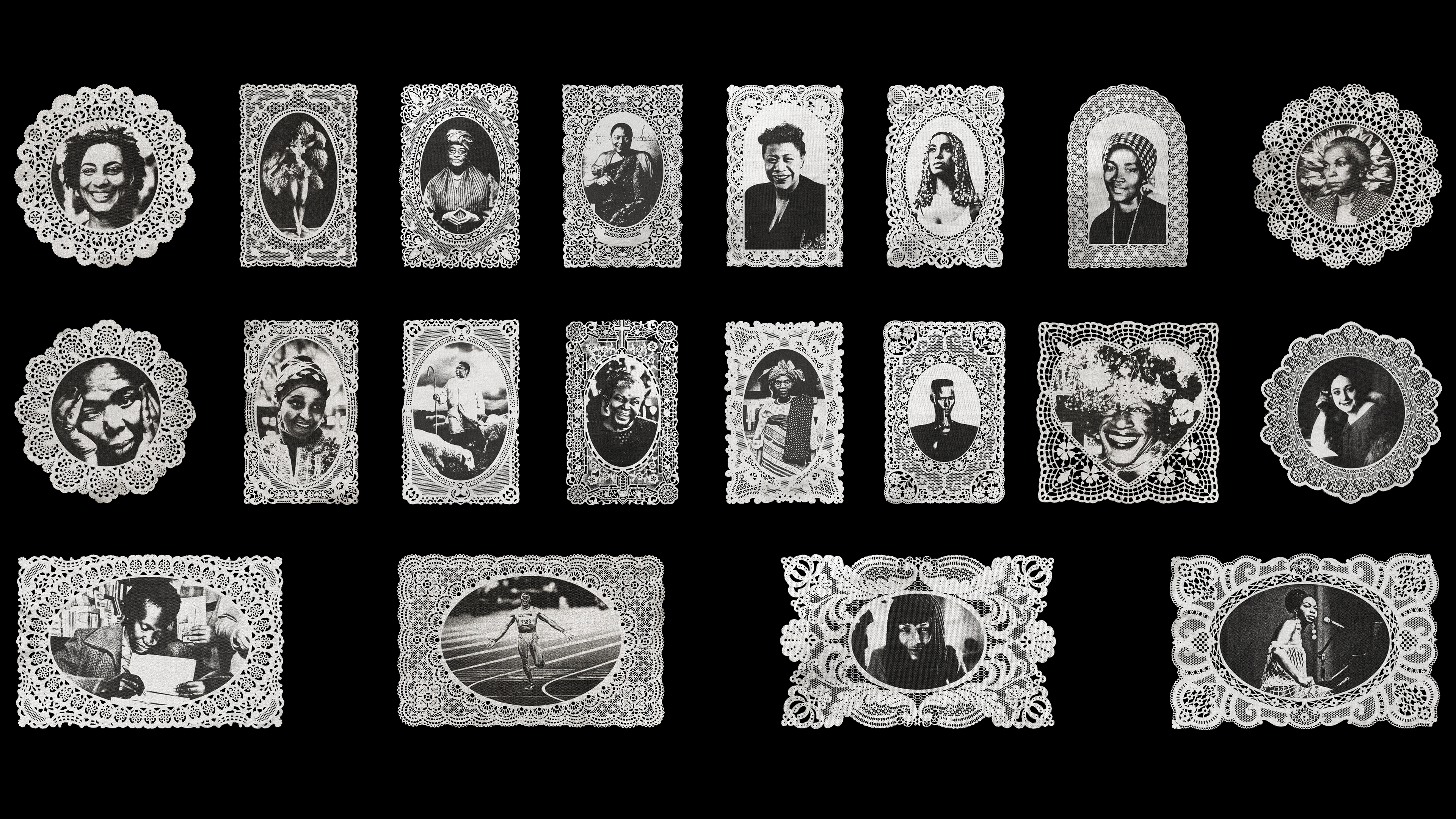
Stitched Roots is a visual exploration dedicated to celebrating the legacy of twenty influential Black women throughout history. The project transforms archival portraiture into a curated educational experience by framing each figure within woven embroidery motifs. This design approach merges vintage craftsmanship with contemporary graphic sensibilities, creating a timeless aesthetic that honors heritage, resilience, and cultural identity. Through this blend of storytelling and design, Stitched Roots aims to make historical knowledge more accessible and visually engaging, reaffirming the power of art as both documentation and education.
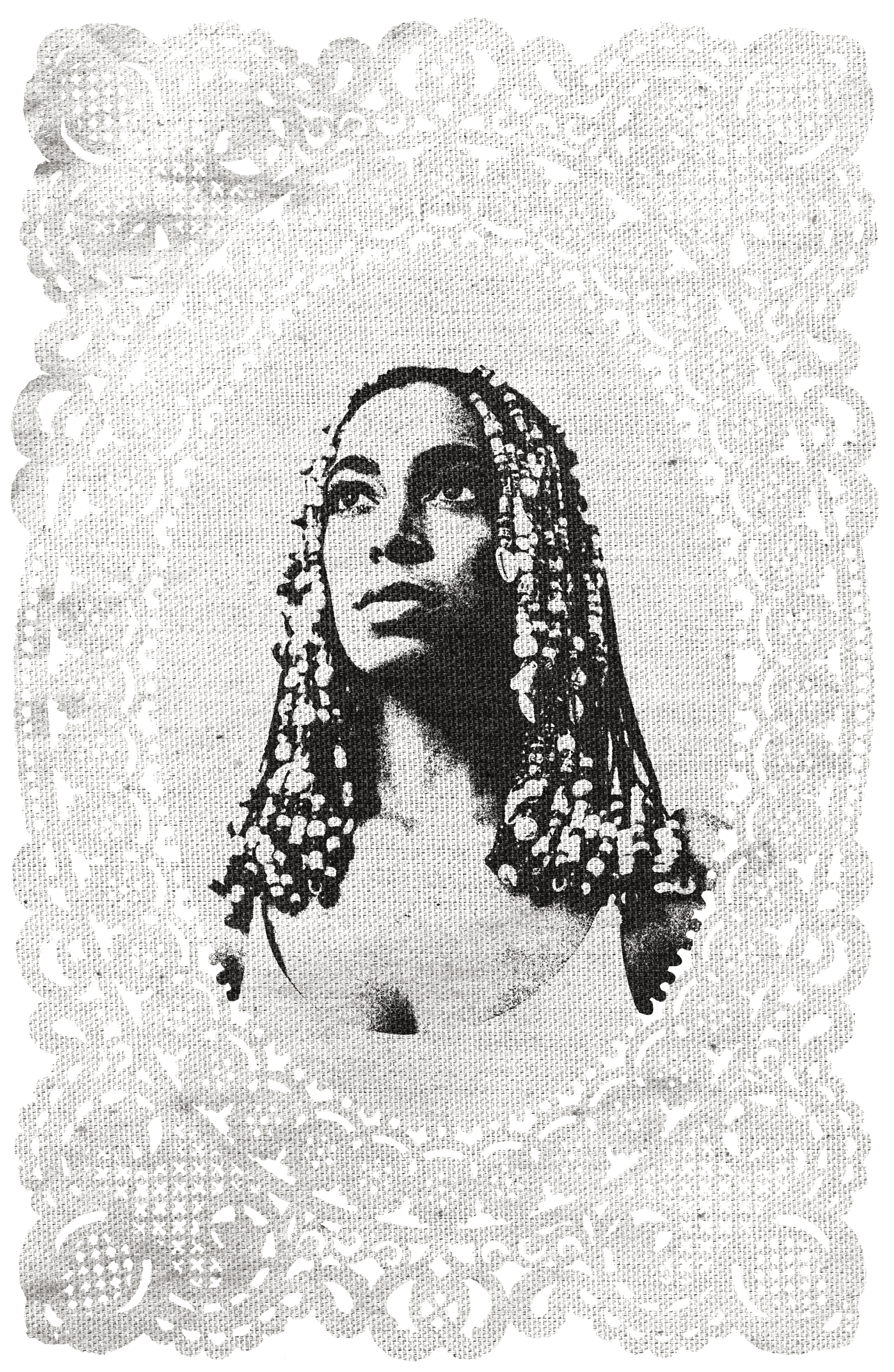
Solange Knowles (1986–)
A multidisciplinary artist whose work blends music, performance and visual culture, Solange Knowles has become a defining voice in contemporary Black expression. Through her innovative artistry and dedication to cultural preservation, she reclaims space for Black identity, healing and creative autonomy. Her work stands as a testament to the power of art as resistance and restoration.
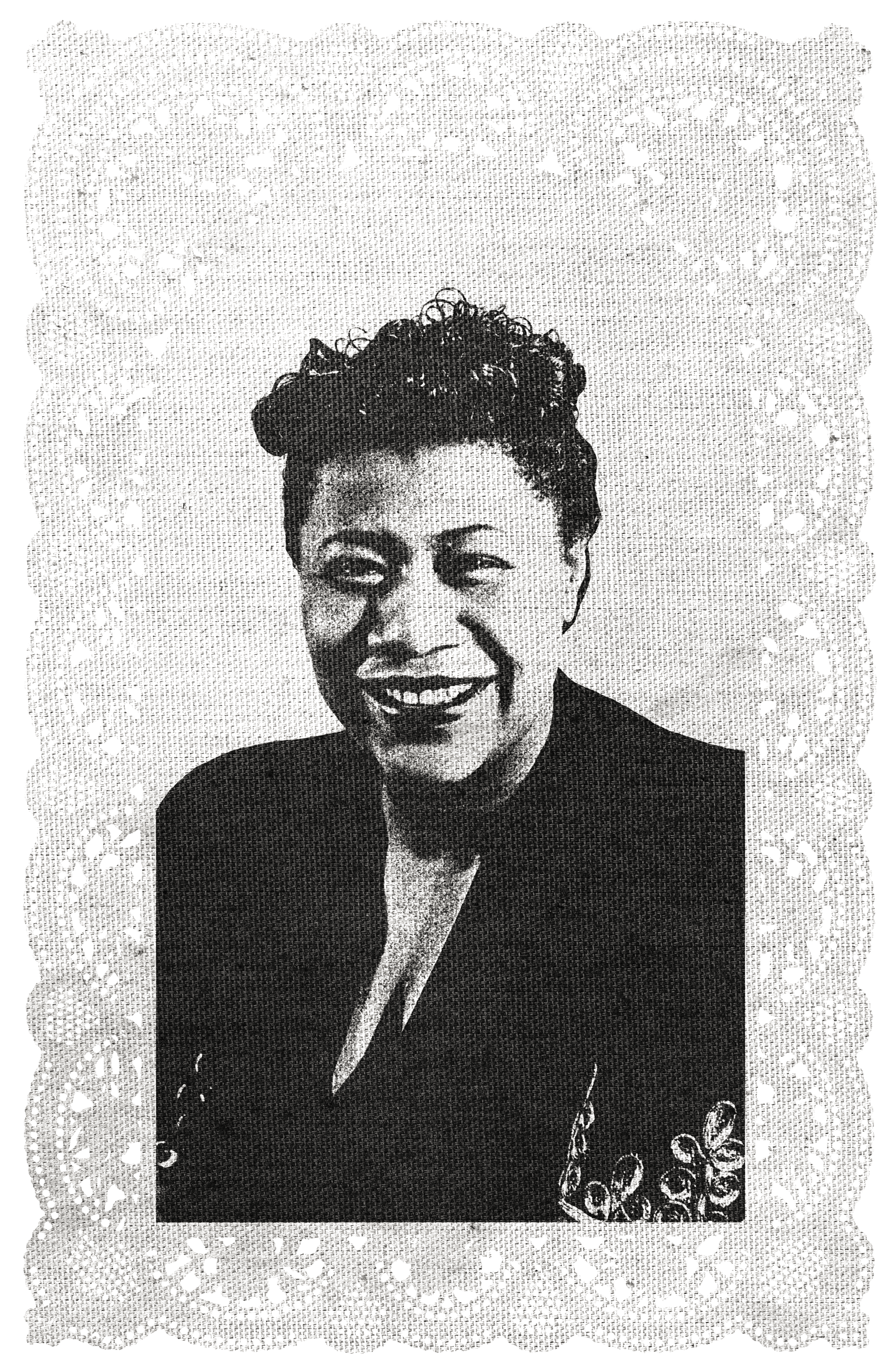
Ella Fitzgerald (1917–1996)
A pioneering vocalist whose unmatched tone and improvisational brilliance reshaped the world of jazz, Ella Fitzgerald transcended the confines of segregation-era America to become one of the most influential artists of the 20th century. Through her mastery of scat, her genre-defining performances and her quiet resilience in the face of racial discrimination, she reclaimed stages that were never built for her. Her legacy stands as a testament to the power of artistry to defy injustice and to transform sound into a space of dignity, freedom and cultural uplift.
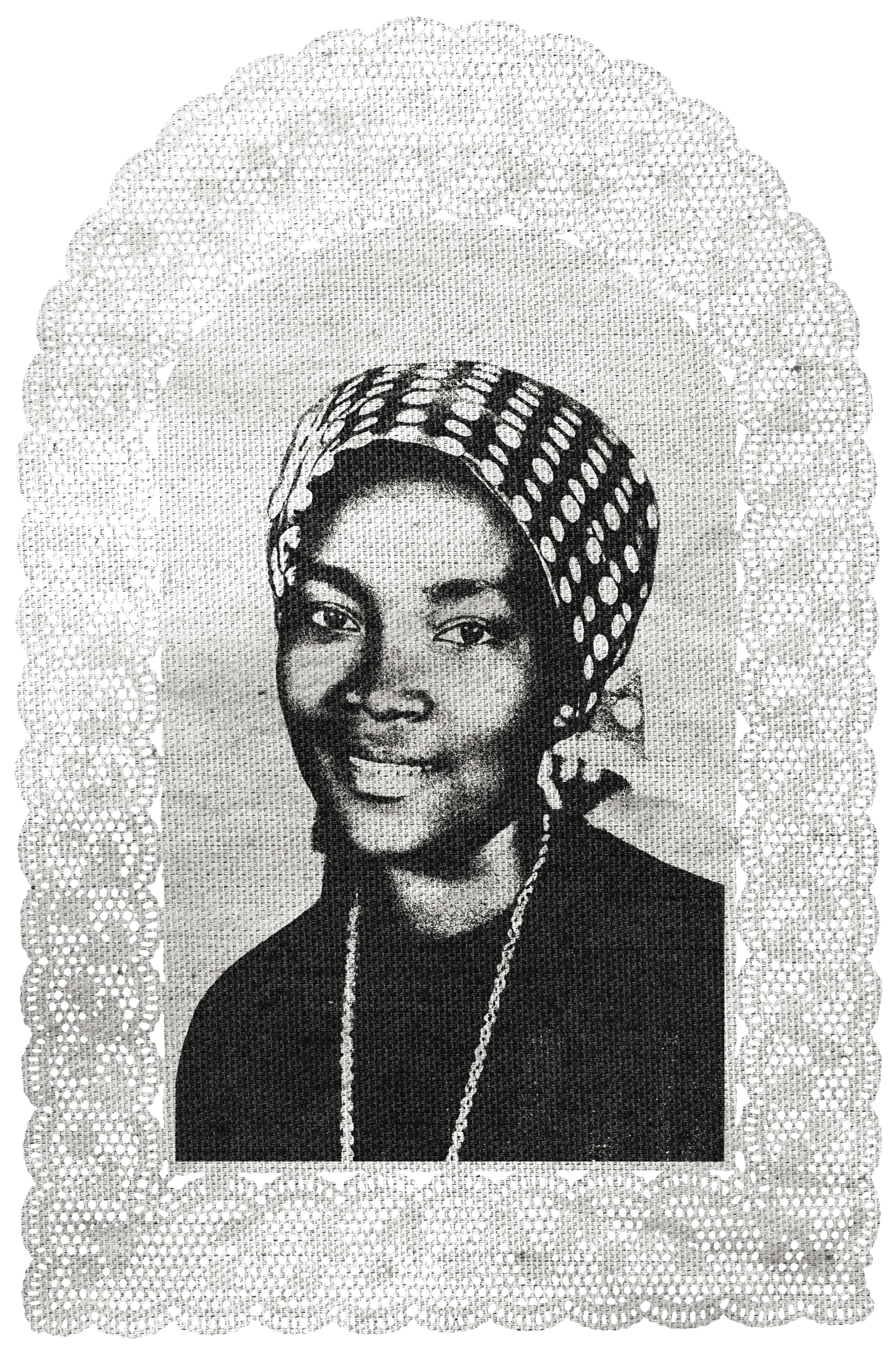
Josina Machel (1945–1971)
A revolutionary and fearless activist, Josina Machel dedicated her life to the liberation of Mozambique and the empowerment of its people. Through her leadership in FRELIMO and her unwavering commitment to social justice, she challenged colonial oppression and inspired generations of women to fight for equality. Her courage and vision stand as a testament to the power of conviction to transform society and ignite lasting change.
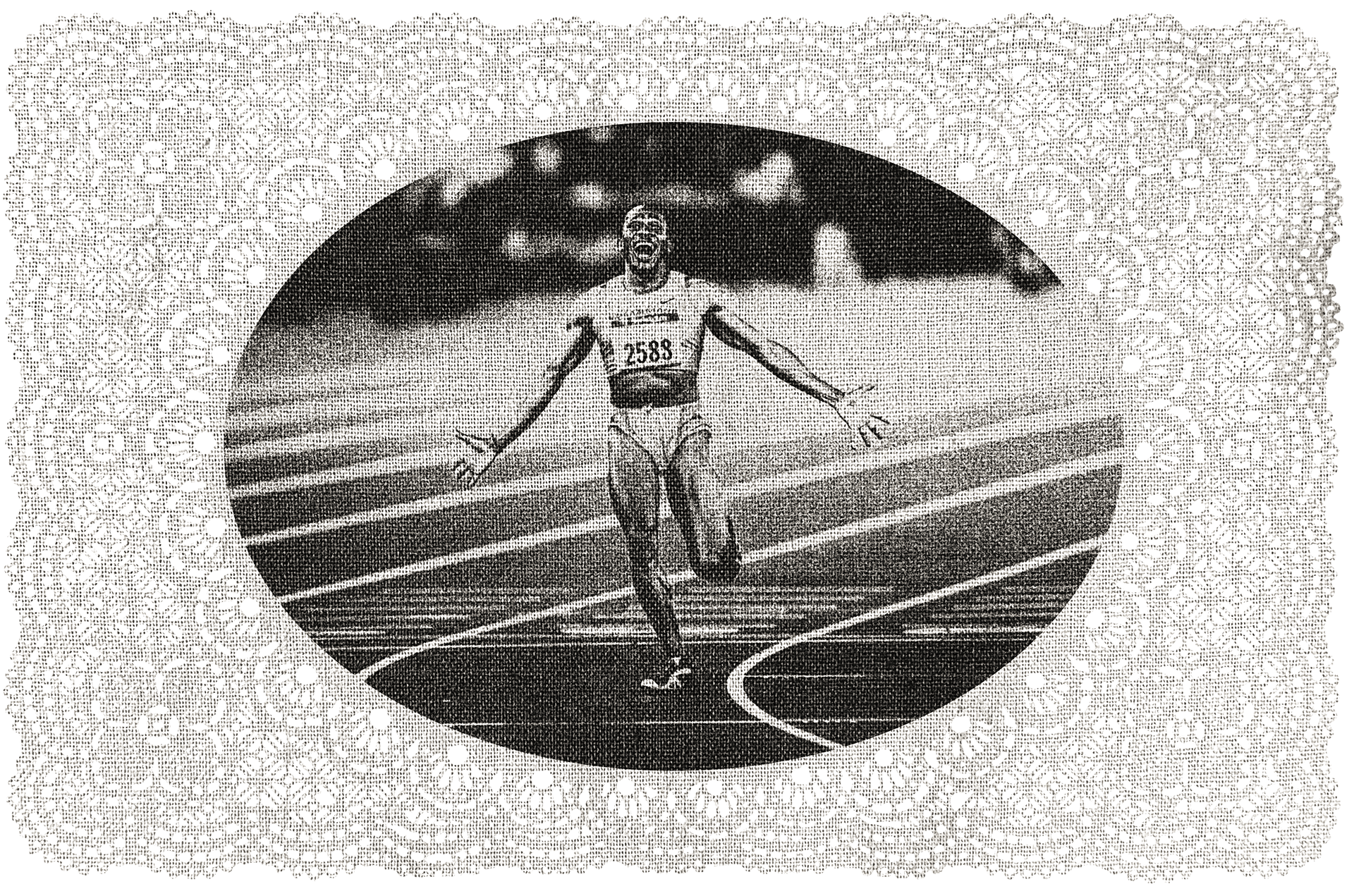
Maria de Lurdes Mutola (1972– )
A world-class athlete and Mozambique’s only Olympic gold medalist, Maria de Lurdes Mutola elevated her nation on the global stage through her unparalleled achievements in track and field. Her discipline, resilience and record-breaking performances redefined what was possible for women in sport, inspiring generations to pursue excellence. Her legacy stands as a testament to the power of perseverance to transform individual talent into national pride and historical impact.
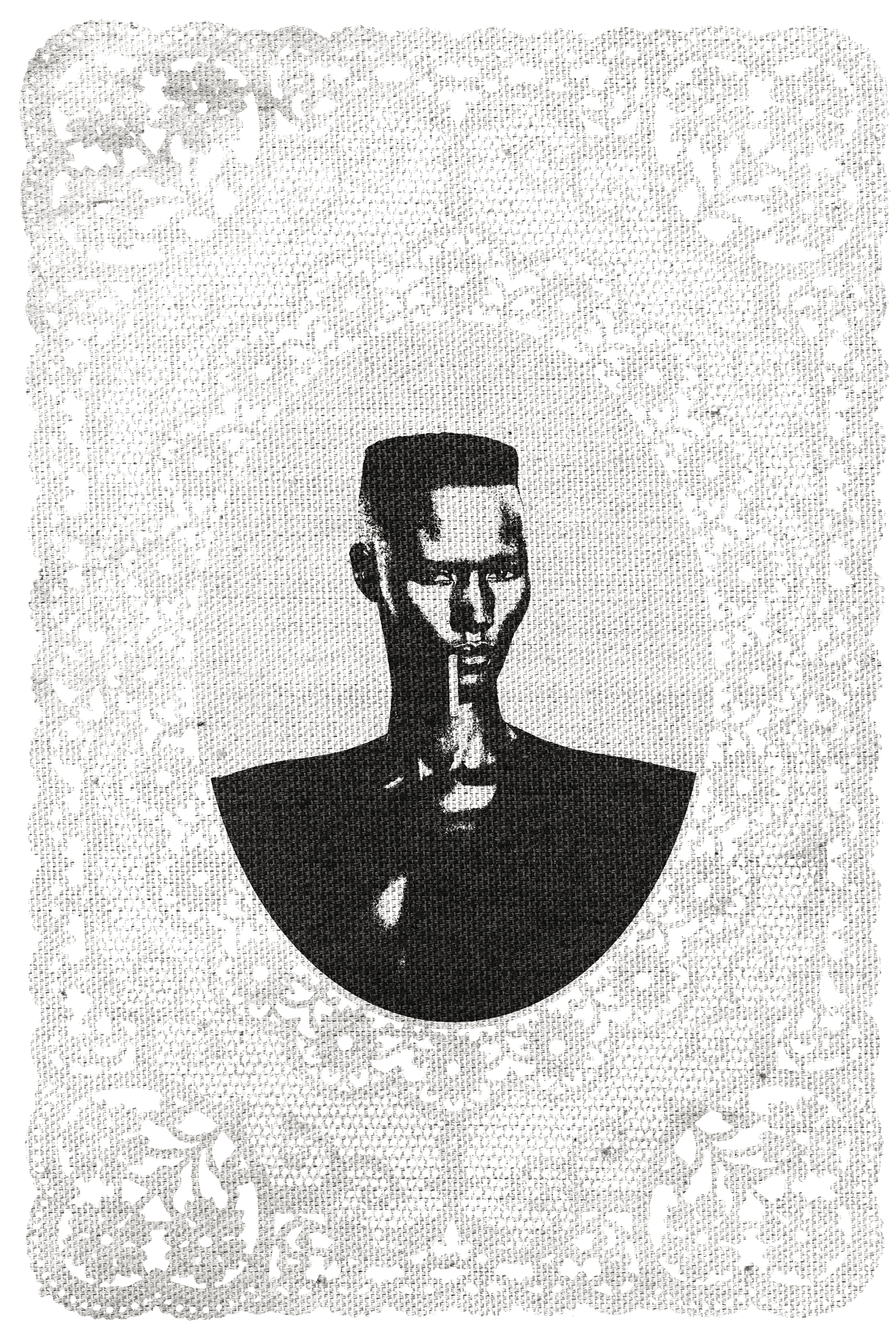
Grace Jones (1948– )
A groundbreaking performer, model and cultural icon, Grace Jones has continually redefined the boundaries of music, fashion and visual expression. Through her fearless creativity, bold aesthetic and unapologetic presence, she challenged conventional notions of gender, identity and race, carving out a space for Black artistry on the global stage. Her legacy stands as a testament to the power of individuality, innovation and fearless self-expression to inspire and transform culture.
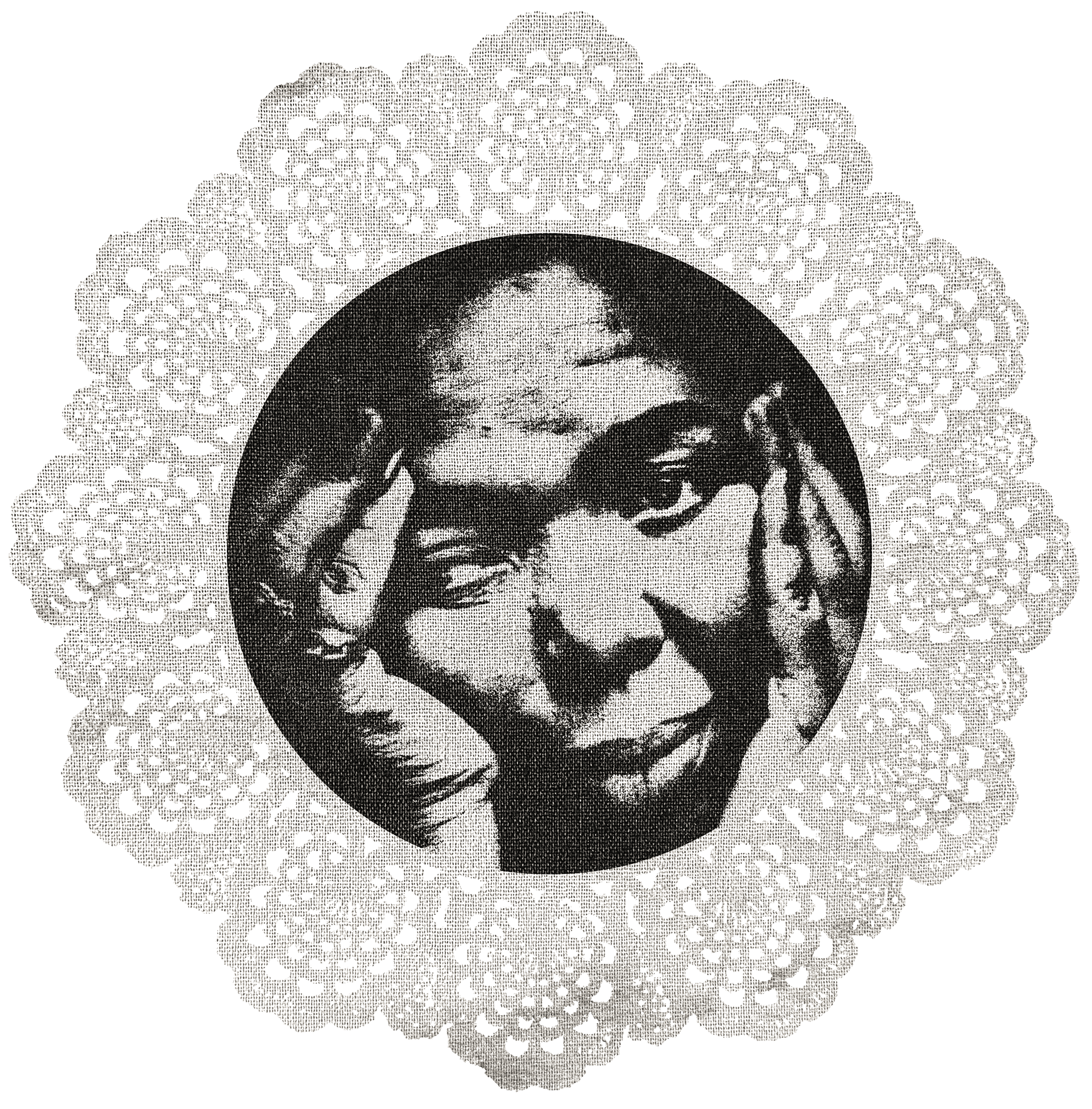
Cesária Évora (1941–2011)
A singer of profound soul and cultural resonance, Cesária Évora became the voice and joy of Cape Verde, bringing the rhythms of morna to the world. Discovered later in life, her hauntingly beautiful performances transcended age and borders, earning her international acclaim while preserving the heritage of her homeland. Her legacy stands as a testament to the power of music to celebrate identity, evoke emotion and carry the spirit of a nation across generations.
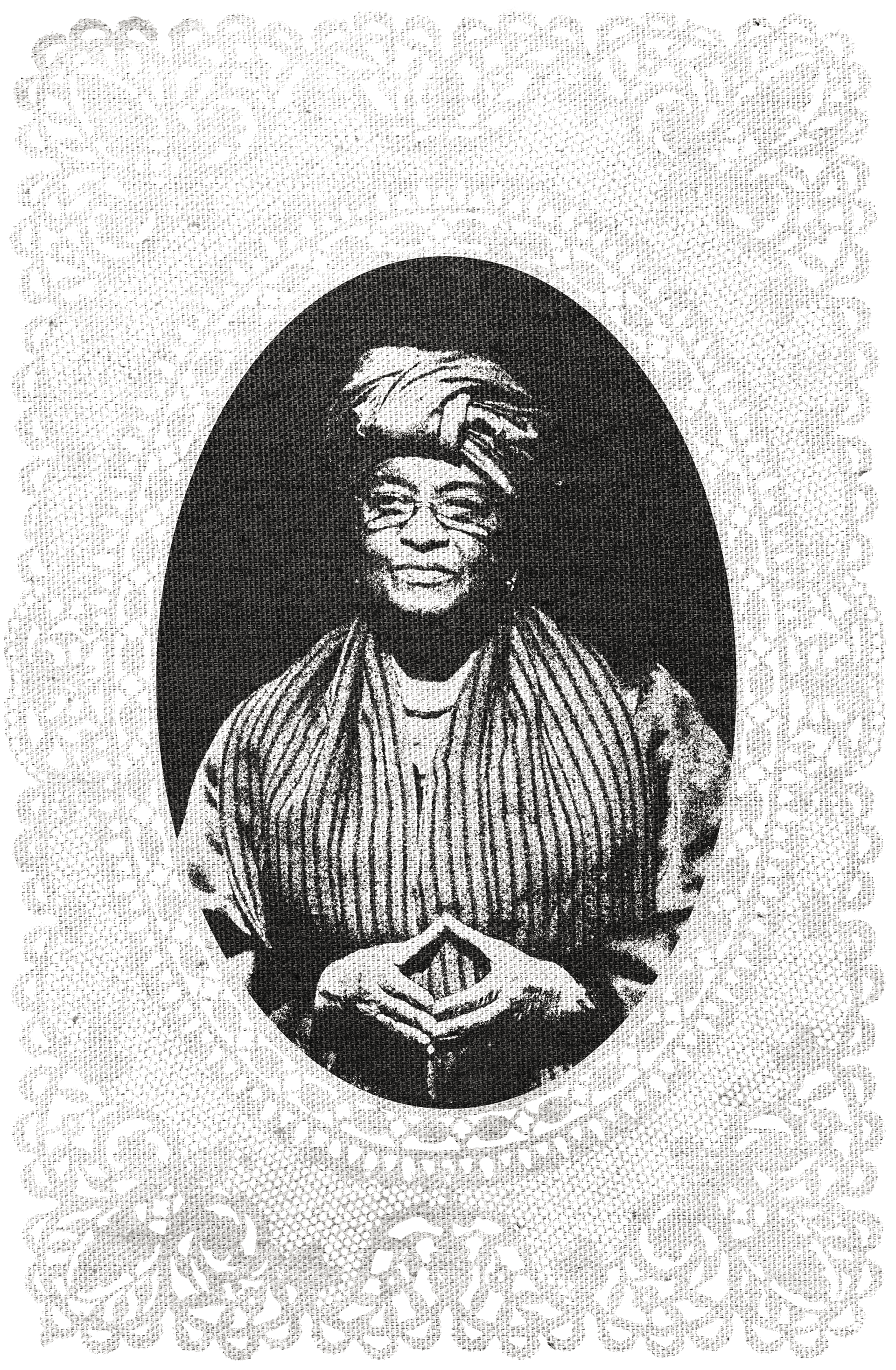
Ellen Johnson Sirleaf (1938– )
A pioneering stateswoman and Africa’s first elected female president, Ellen Johnson Sirleaf guided Liberia through a period of profound rebuilding with vision, resilience and unwavering dedication. Through her advocacy for women’s empowerment, democratic governance, and social progress, she became a beacon of leadership on the continent, inspiring generations to embrace courage, perseverance, and principled action.
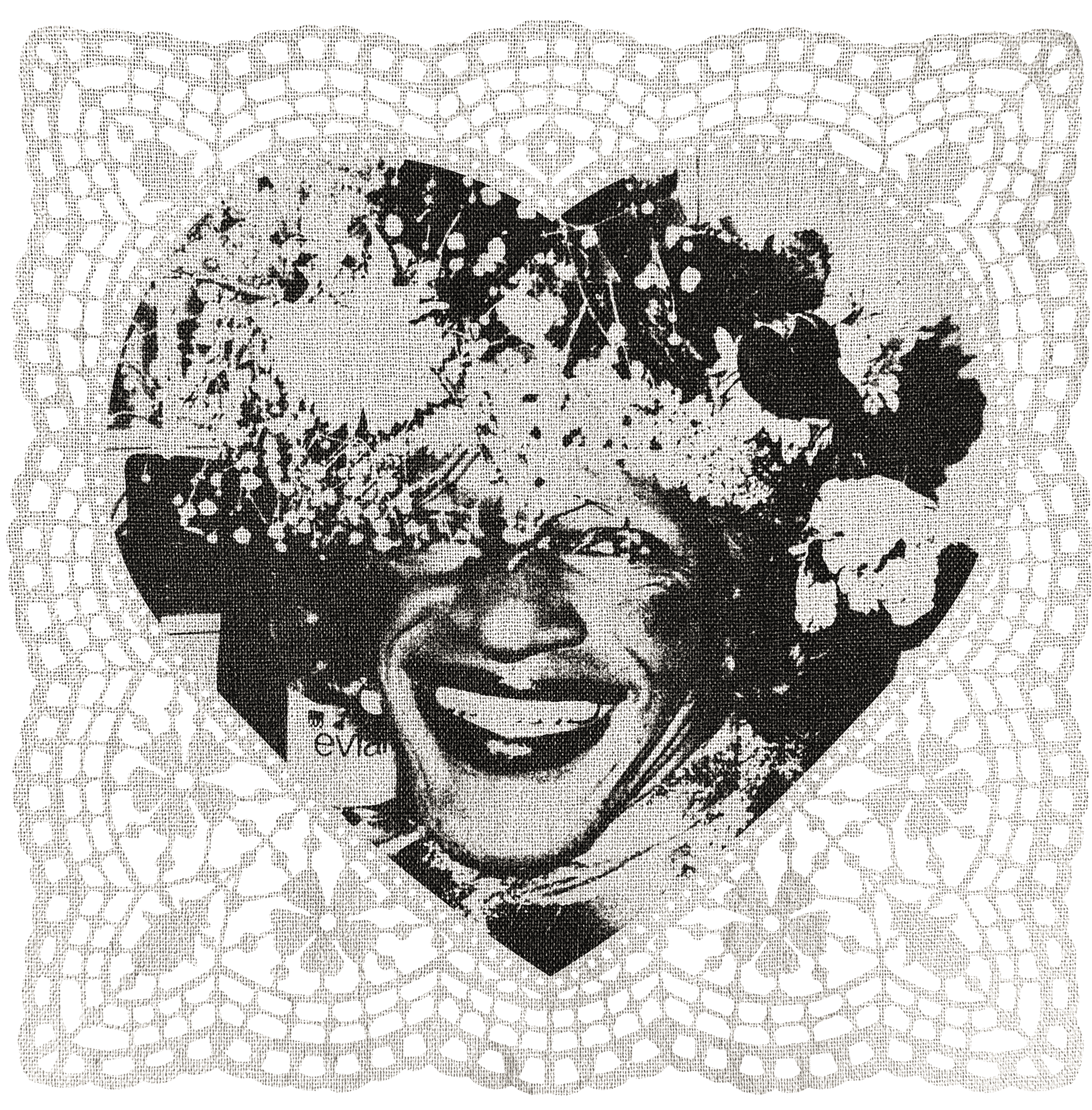
Marsha P. Johnson (1945–1992)
A fearless activist and pioneering figure in the LGBTQ+ rights movement, Marsha P. Johnson dedicated her life to fighting for justice, equality and visibility for marginalized communities. Her courage on the frontlines of the Stonewall uprising and beyond challenged societal norms and she was tragically murdered while standing for a greater cause. Marsha’s life continues to inspire advocacy, resilience, and the relentless pursuit of human rights.
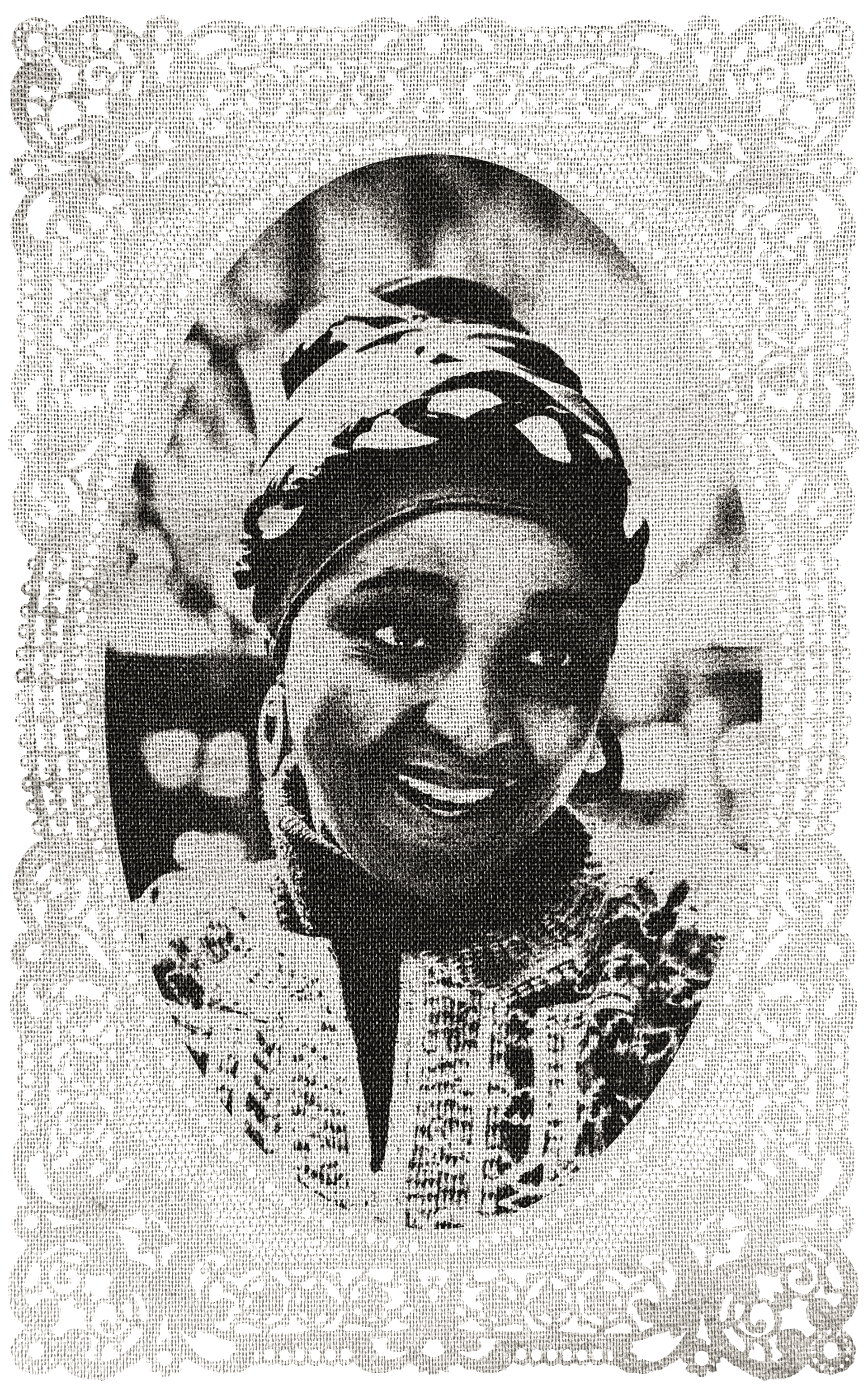
Winnie Madikizela-Mandela (1936–2018)
A formidable activist and political leader, Winnie Madikizela-Mandela played a central role in South Africa’s struggle against apartheid. Through her unwavering courage, resilience and dedication to justice, she became a symbol of resistance and hope for millions. Her life embodied the complexities and sacrifices of fighting for freedom, leaving an indelible mark on the history of her nation and the global fight for human rights.
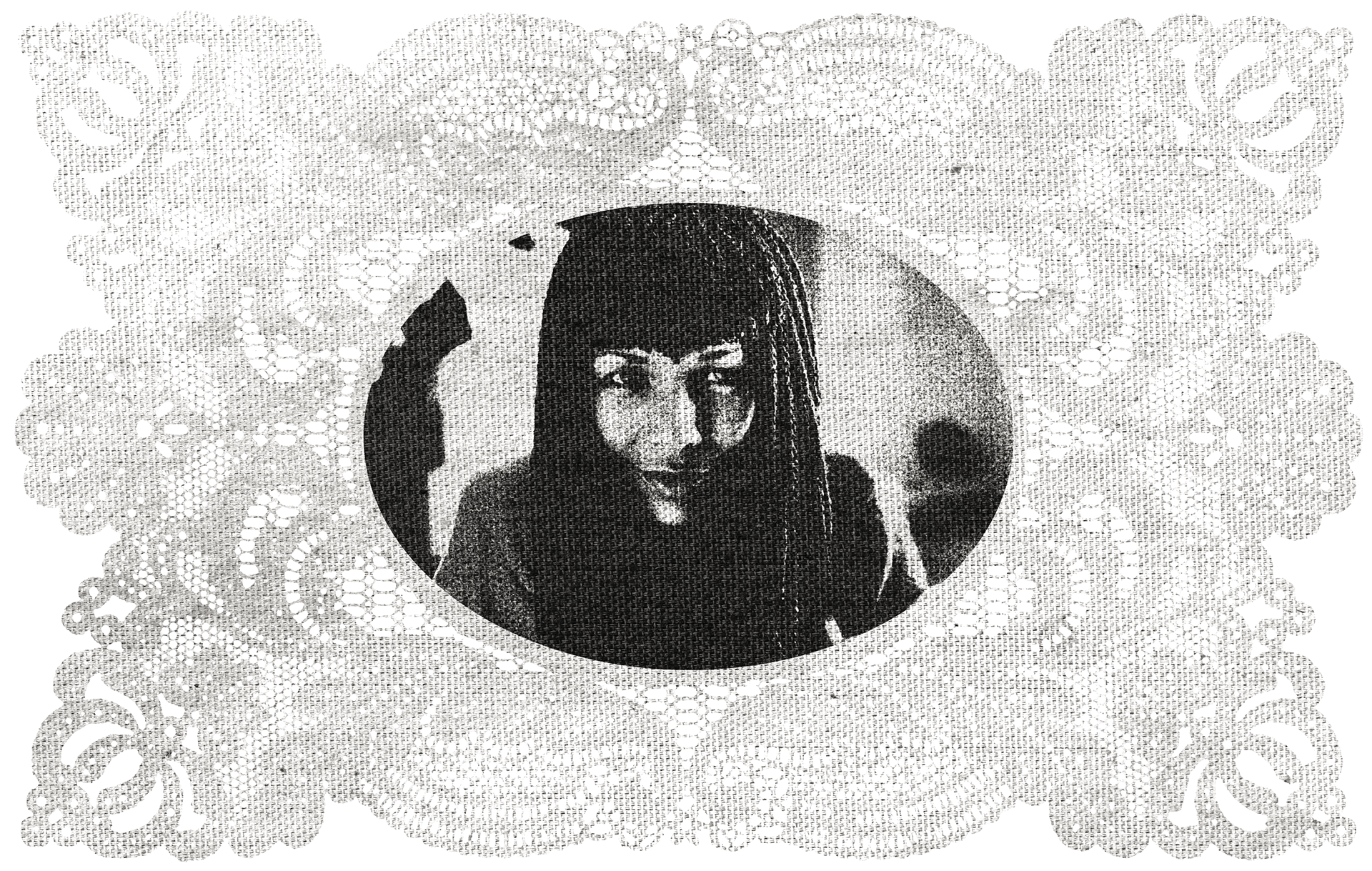
Euzhan Palcy (1958– )
A groundbreaking filmmaker and storyteller, Euzhan Palcy became the first Black woman to direct a feature film for a major Hollywood studio, using cinema to confront injustice and illuminate African and Caribbean histories. Through her visionary work, she challenged stereotypes, amplified marginalized voices and created narratives that celebrate resilience, identity and cultural pride.
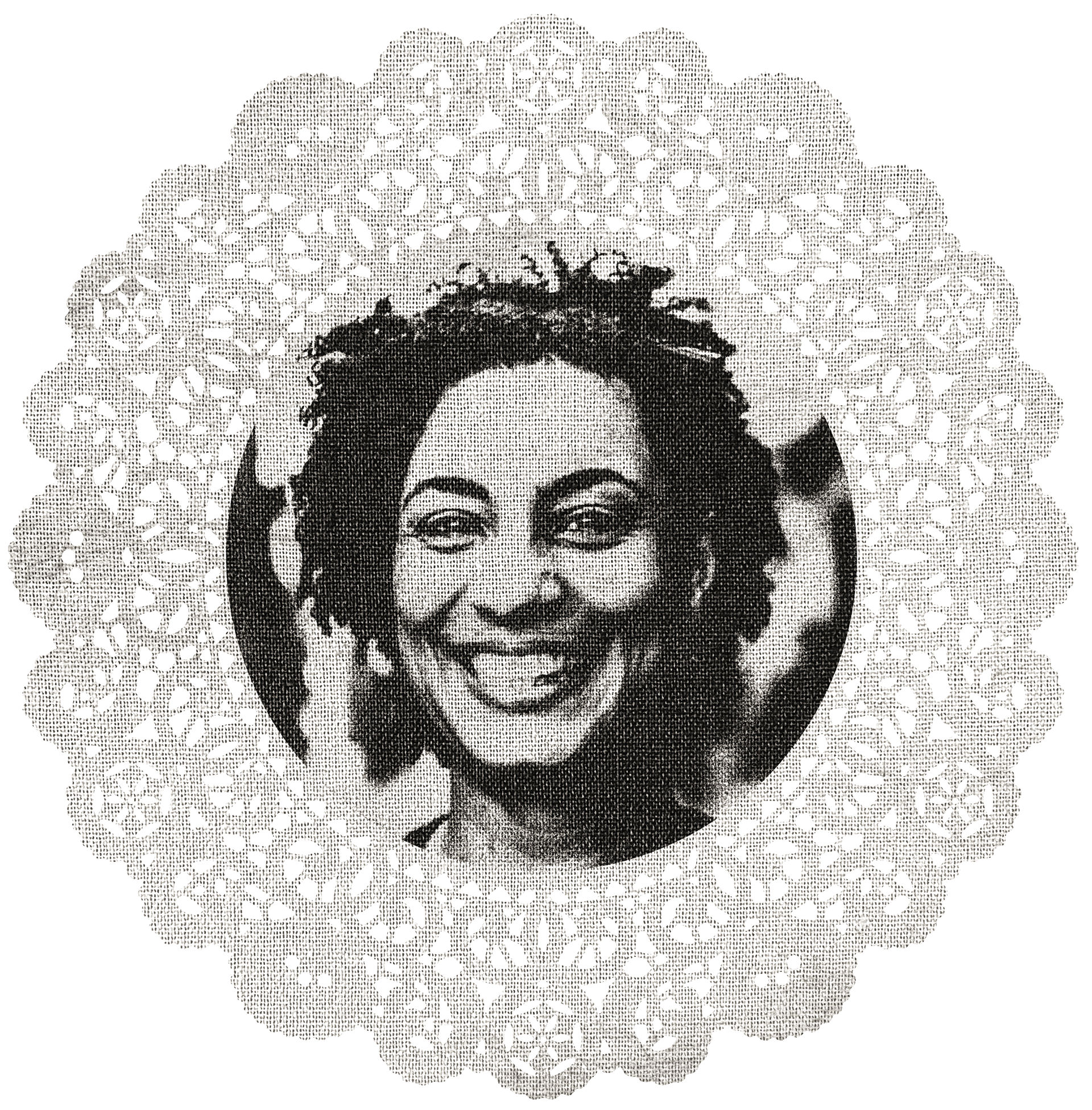
Marielle Franco (1979–2018)
A fearless advocate for human rights, social justice and the marginalized communities of Rio de Janeiro, Marielle Franco dedicated her life to fighting police violence, inequality and systemic oppression. Her activism challenged entrenched power structures, she was tragically assassinated for standing up to injustice. Marielle’s unwavering commitment continues to inspire movements for equity, accountability and the defense of human dignity.
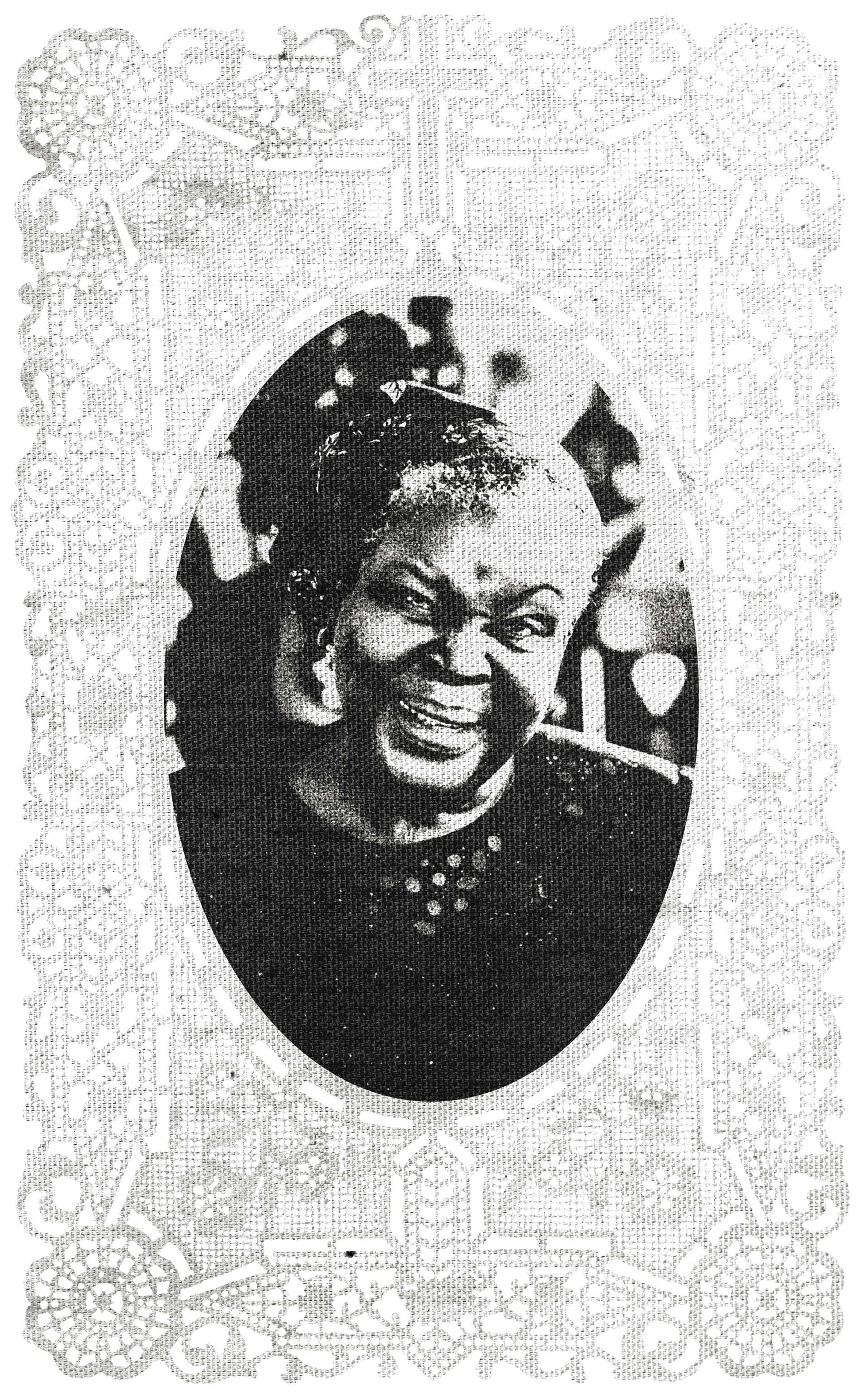
Paulina Chiziane (1955– )
The first Mozambican woman to publish a novel, Paulina Chiziane has used literature to illuminate the complexities of gender, identity and post-colonial society. Through her storytelling, she confronts social norms, amplifies women’s voices and preserves the cultural fabric of Mozambique. Her work continues to inspire reflection, dialogue and a deeper understanding of human experience.
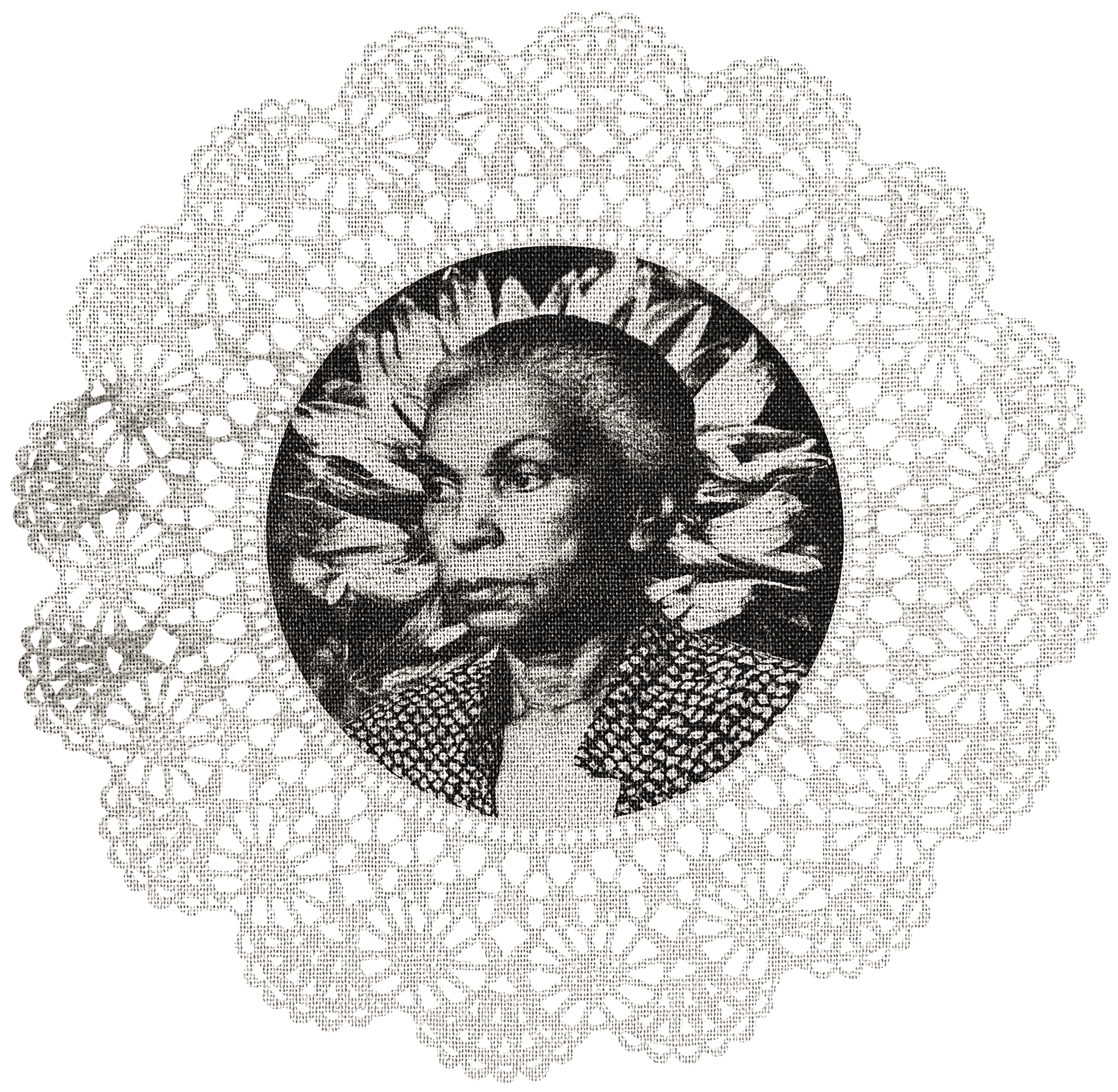
Noémia de Sousa (1926–2003)
Known as the “Mother of Mozambican Poetry”. Noémia de Sousa used her words to challenge colonial oppression and celebrate the strength and resilience of her people. Through her poetry, she gave voice to social injustice, nurtured national consciousness and inspired a generation of writers and activists. Her work remains a cornerstone of Mozambican literature and cultural identity.
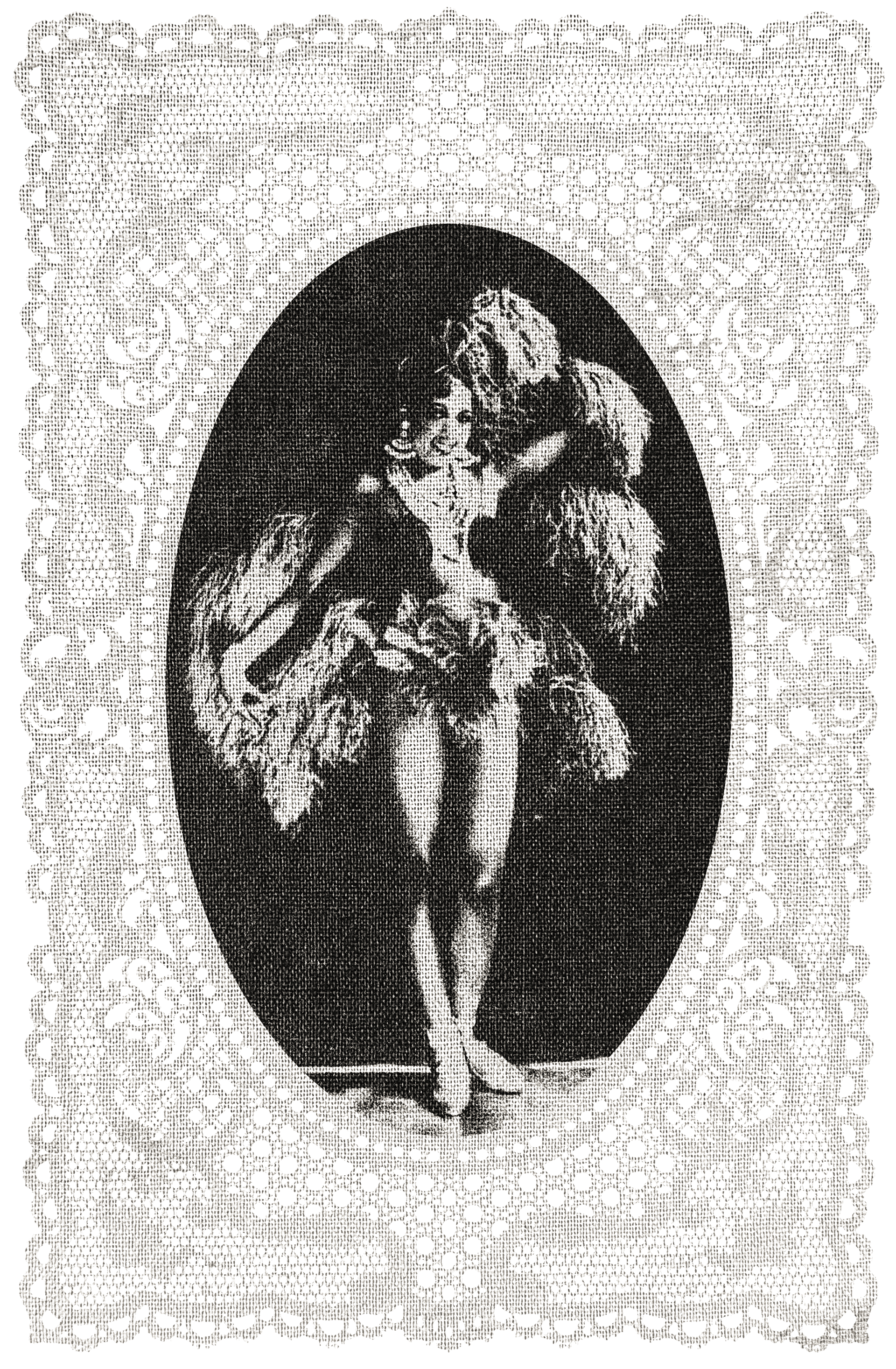
Josephine Baker (1906–1975)
A pioneering performer, civil rights activist, and symbol of resilience, Josephine Baker broke barriers in the worlds of entertainment and society at large. Through her artistry, charisma, and unwavering courage, she challenged racial prejudice, became an international icon, and used her platform to fight for equality. Her life continues to inspire creativity, activism, and the relentless pursuit of freedom.
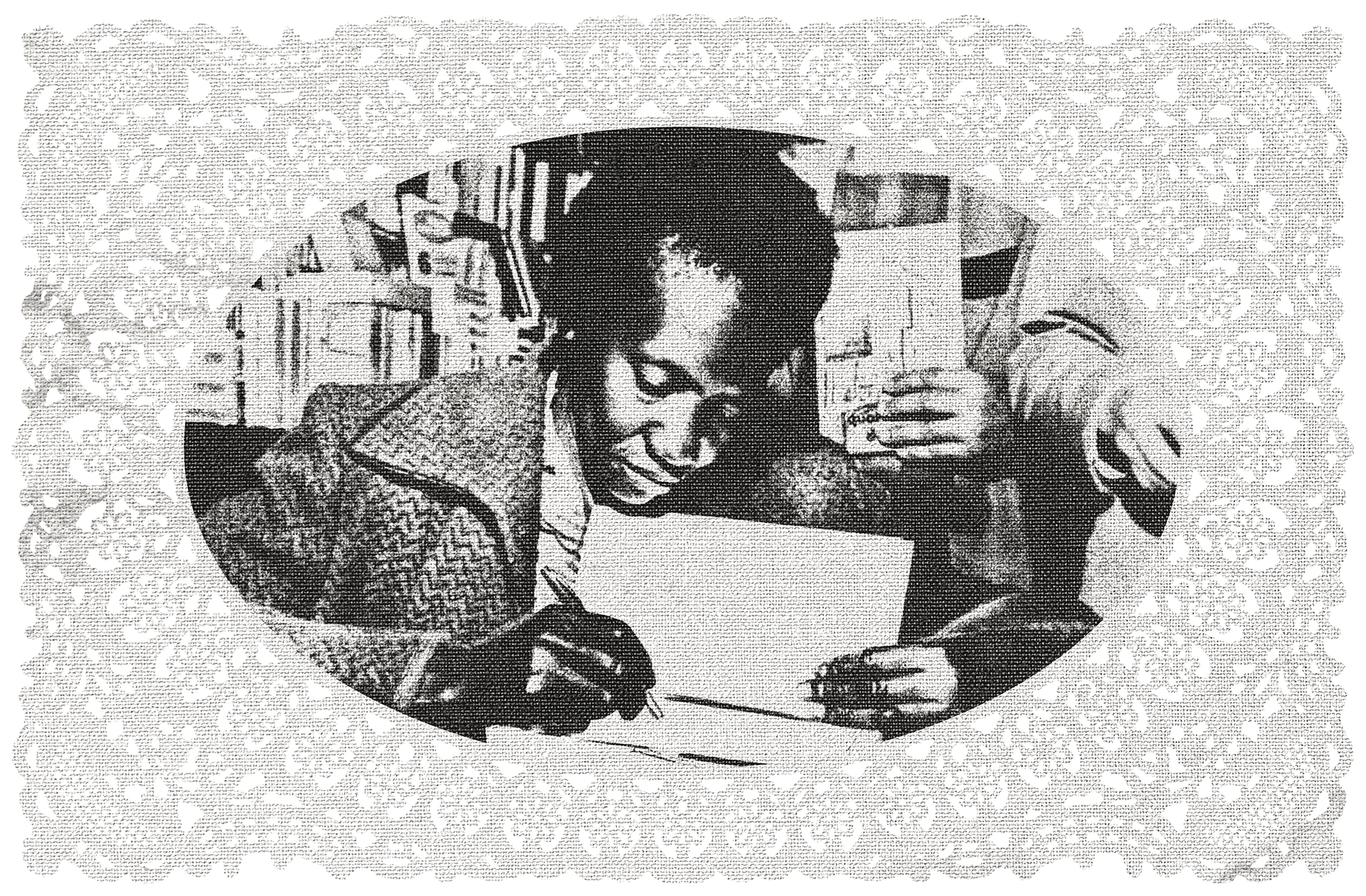
Carolina Maria de Jesus (1914–1977)
A groundbreaking writer and chronicler of life in the favelas of São Paulo, Carolina Maria de Jesus gave voice to the marginalized through her poignant diaries and novels. Her work exposed poverty, inequality and social injustice while celebrating resilience and human dignity. Through her storytelling, she transformed personal experience into a powerful testament of courage and the enduring strength of the human spirit.
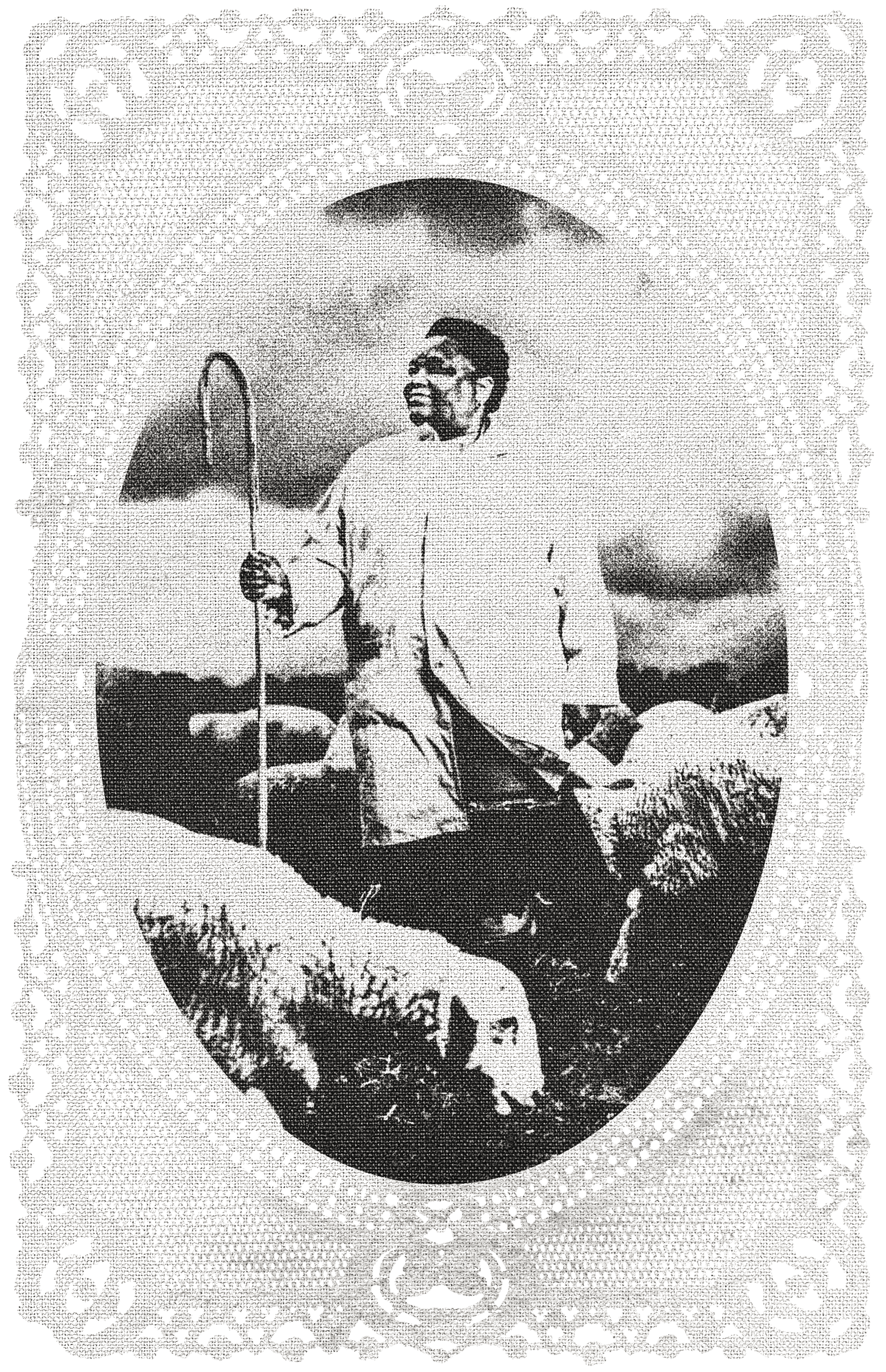
Dr. Tebello Nyokong (1951– )
A pioneering chemist and innovator, Dr. Tebello Nyokong has made groundbreaking contributions to cancer research and photodynamic therapy. Through her scientific discoveries and dedication to mentorship, she has expanded opportunities for women in STEM and advanced healthcare solutions across Africa and the world. Her work exemplifies the transformative power of knowledge, perseverance, and ingenuity.
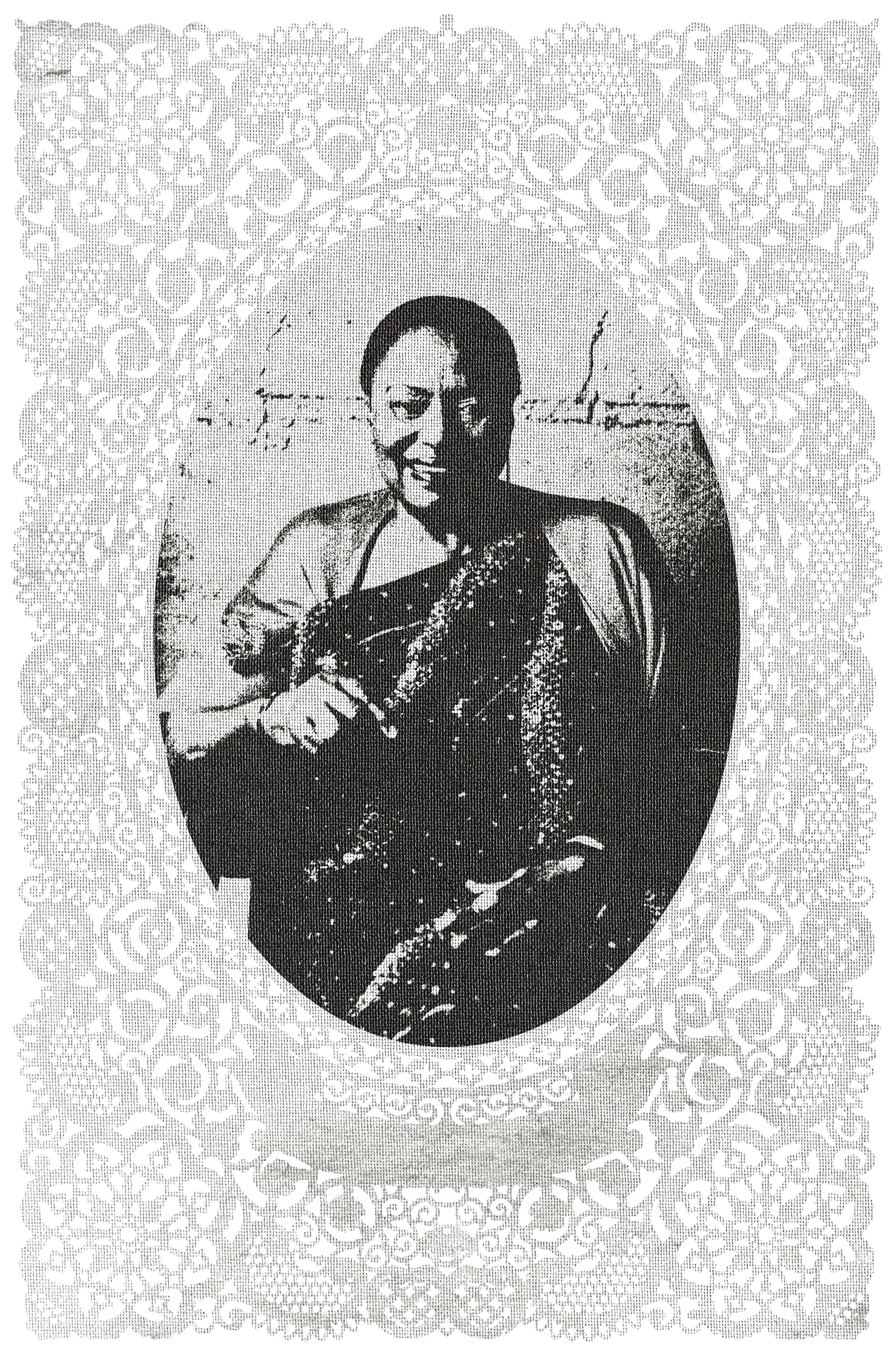
Miriam Makeba (1932–2008)
A legendary singer and activist, Miriam Makeba, known as “Mama Africa” used her music to fight apartheid and amplify African voices on the global stage. Through her performances, advocacy and unwavering courage, she challenged injustice and celebrated the richness of African culture. Her life and artistry remain a powerful testament to the role of music in resistance, identity and social change.
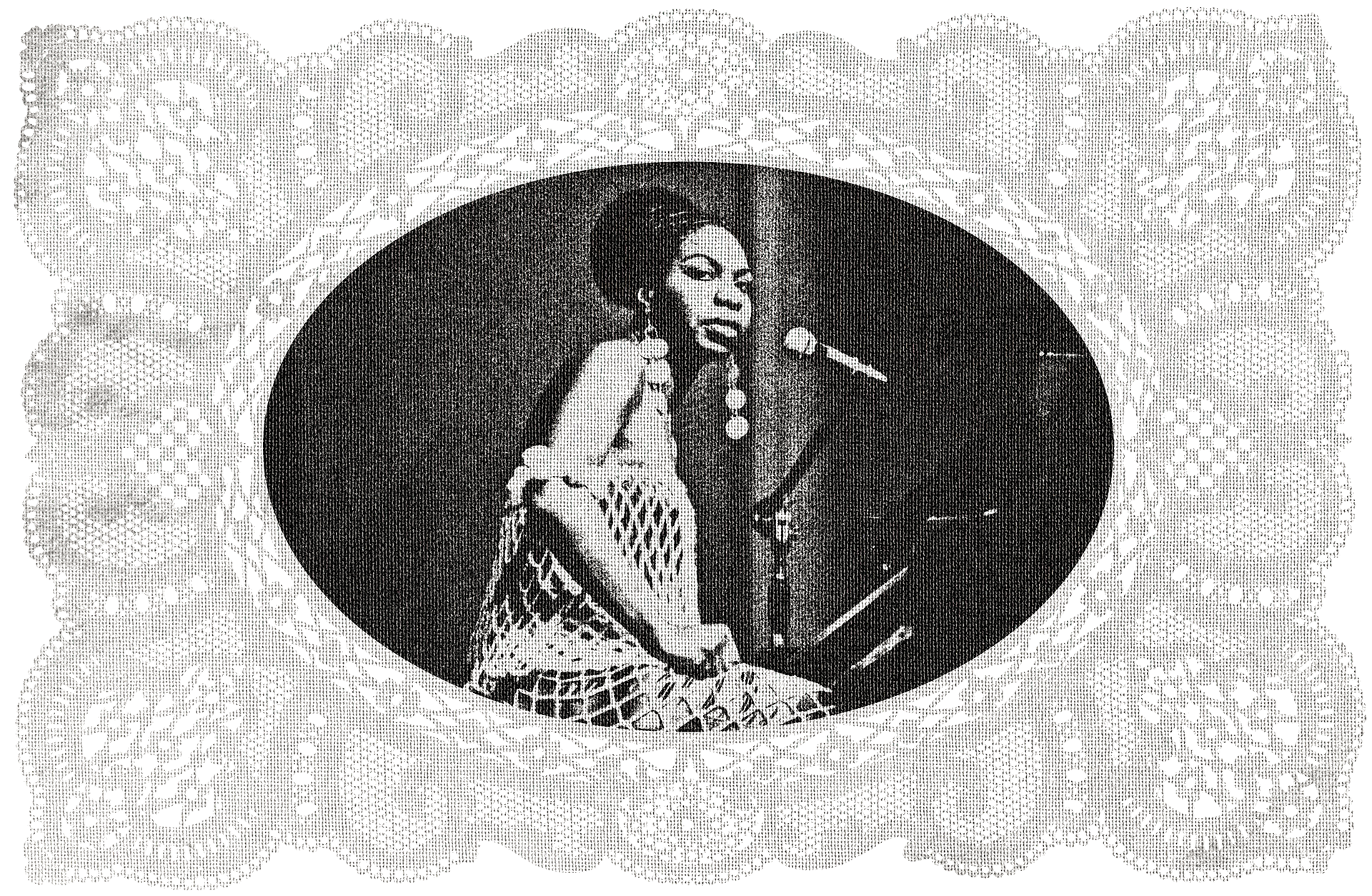
Nina Simone (1933–2003)
A visionary musician, composer, and activist, Nina Simone used her voice and artistry to confront racial injustice and champion civil rights. Through her evocative performances and fearless expression, she transformed music into a platform for resistance, empowerment, and cultural affirmation. Her work continues to inspire generations to embrace creativity as a force for social change and personal liberation.
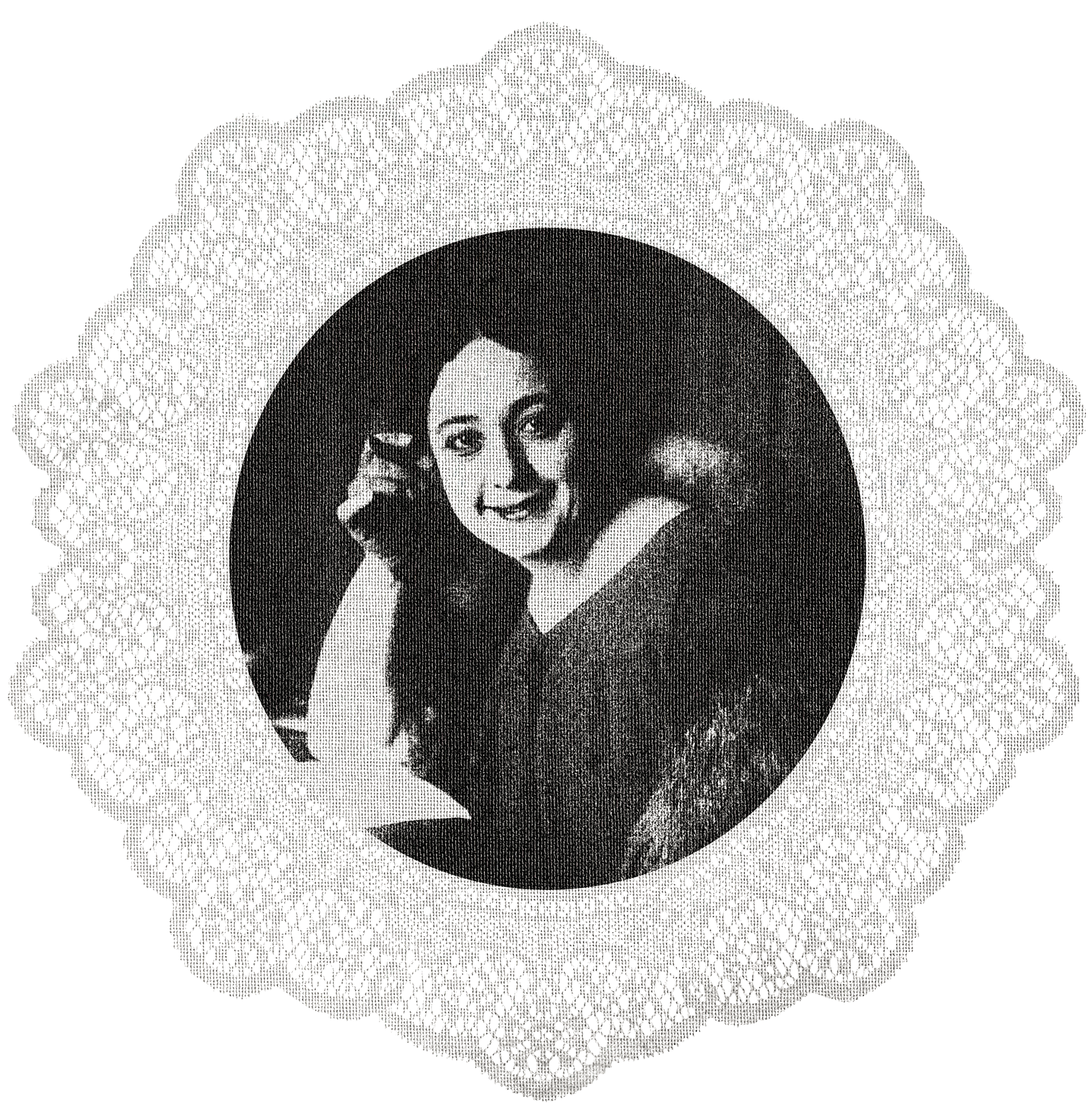
Huda Sha’arawi (1879–1947)
A pioneering Egyptian feminist and social reformer, Huda Sha’arawi challenged societal norms to advocate for women’s education, rights and public participation. Through her leadership and courage, she founded the Egyptian Feminist Union and became a transformative figure in the Middle East’s struggle for gender equality. Her work continues to inspire movements for women’s empowerment and social progress across generations.
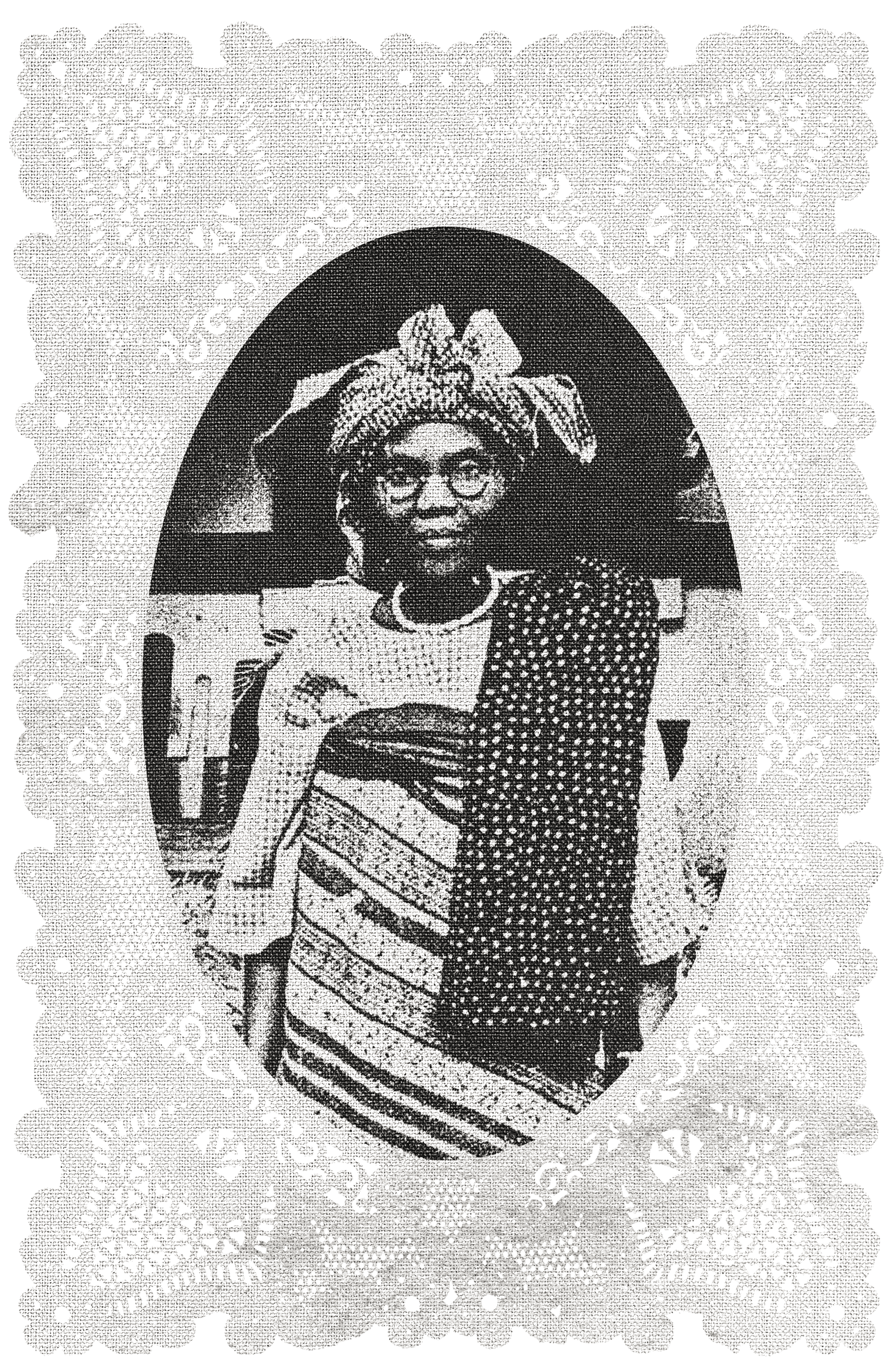
Funmilayo Ransome-Kuti (1900–1978)
A fearless activist, educator, and pioneer of women’s rights in Nigeria, Funmilayo Ransome-Kuti dedicated her life to challenging colonial oppression and advancing social justice. As the mother of legendary musician Fela Kuti, her legacy extended both through her family and the generations she inspired. Her unwavering activism led to brutal reprisals by authorities, which contributed to her untimely death, cementing her role as a symbol of courage and sacrifice in the struggle for equality.
Guided by a desire to merge aesthetics with education, Stitched Roots reimagines historical portraiture through the lens of my personal design language. Each woman is presented within a meticulously crafted woven embroidery frame, a stylistic choice that evokes themes of ancestry, heritage and craftsmanship. The vintage, heirloom-inspired aesthetic creates a sense of reverence, positioning each portrait as a preserved piece of cultural history. While visually cohesive, every portrait also carries an educational purpose. The project transforms design into a tool for storytelling, encouraging viewers to learn about the achievements, struggles and influence of each woman. Stitched Roots aspires to bridge the gap between art and education, making the recognition of Black excellence more widely accessible.
Ultimately, Stitched Roots stands as both a tribute and a teaching resource, a reminder of the resilience, creativity, leadership and brilliance of Black women across generations. Through this work, I aim to honor the past, enrich the present and inspire future conversations about the power and importance of representation in visual culture.