This project is a tribute to Europe’s boundless variety, where centuries of art, legend and tradition intertwine. Through a series of minimalist posters each devoted to a single nation. I seek to reveal the continent’s soul in a new and captivating light. From forgotten folklore and iconic architecture to breathtaking landscapes and enduring customs, these glimpses invite curiosity and wonder. More than a visual journey, this collection honours the strength, elegance and timeless spirit that shape Europe’s many stories.
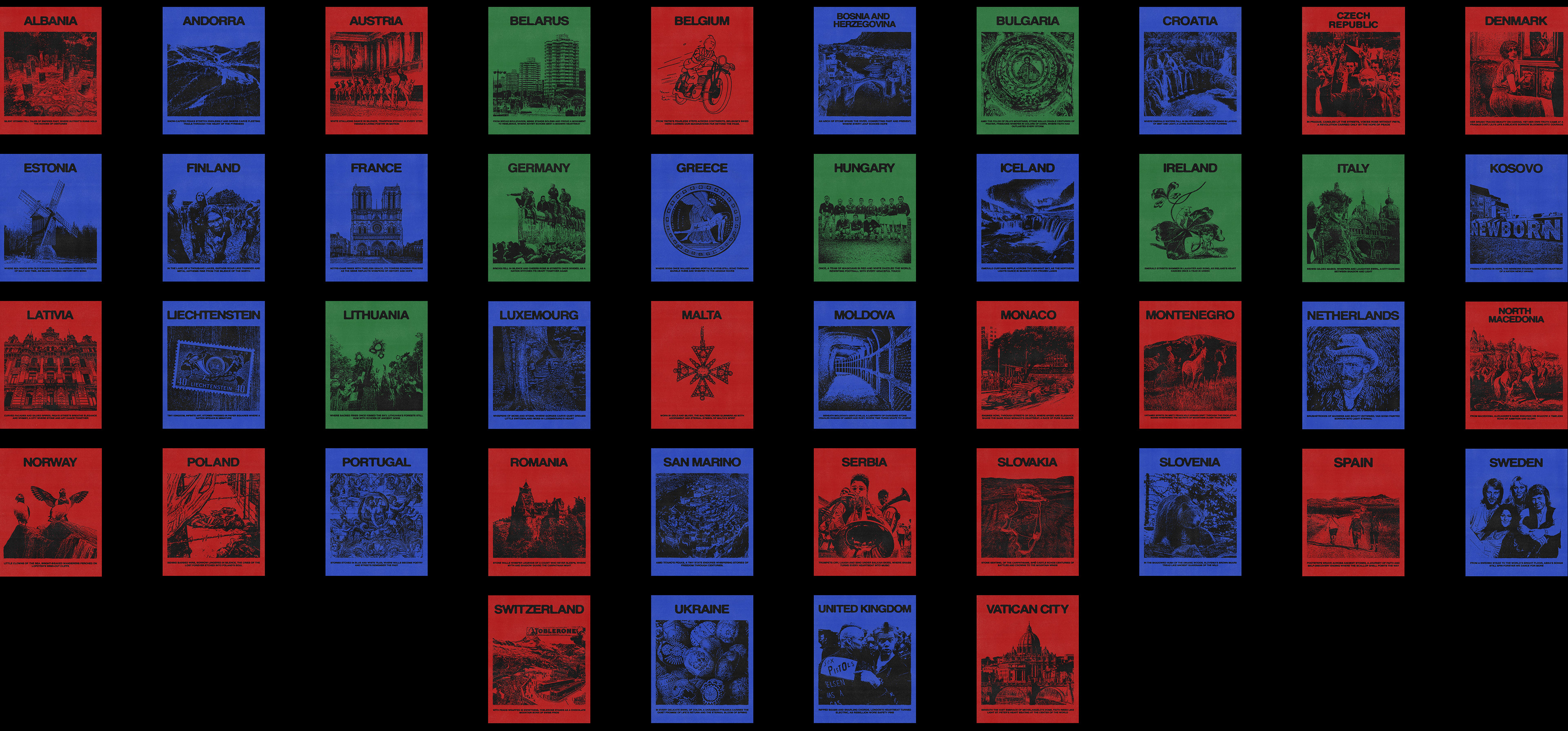
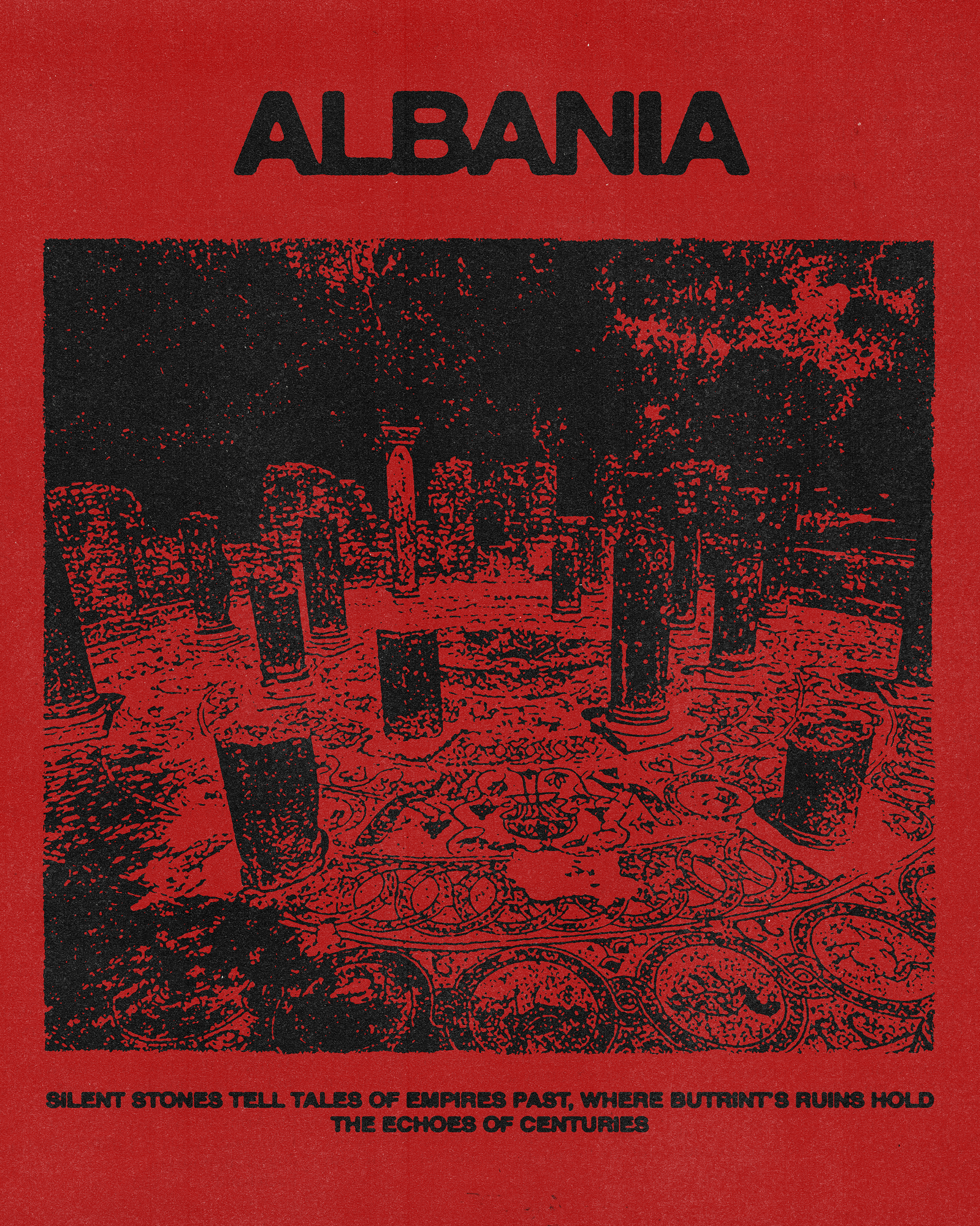
Albania
Butrint, a UNESCO World Heritage site in southern Albania, preserves ruins from Greek, Roman, Byzantine and Venetian civilizations. Its archaeological layers tell the story of a region that has been a crossroads of cultures for thousands of years.
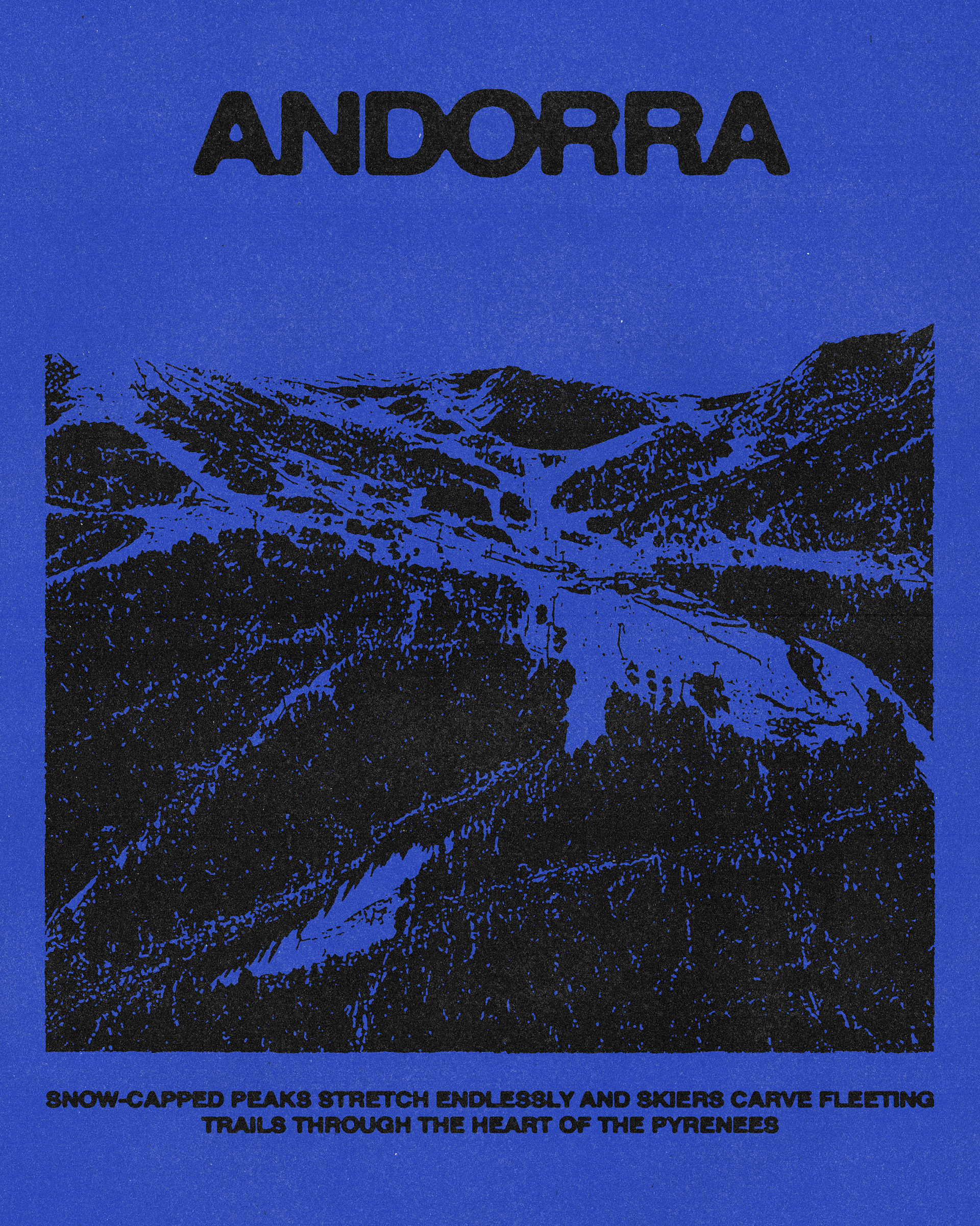
Andorra
Grandvalira, the largest ski resort in the Pyrenees, spans over 200 km of slopes and attracts winter sports enthusiasts from across Europe. It has become a symbol of Andorra’s tourism and alpine lifestyle.
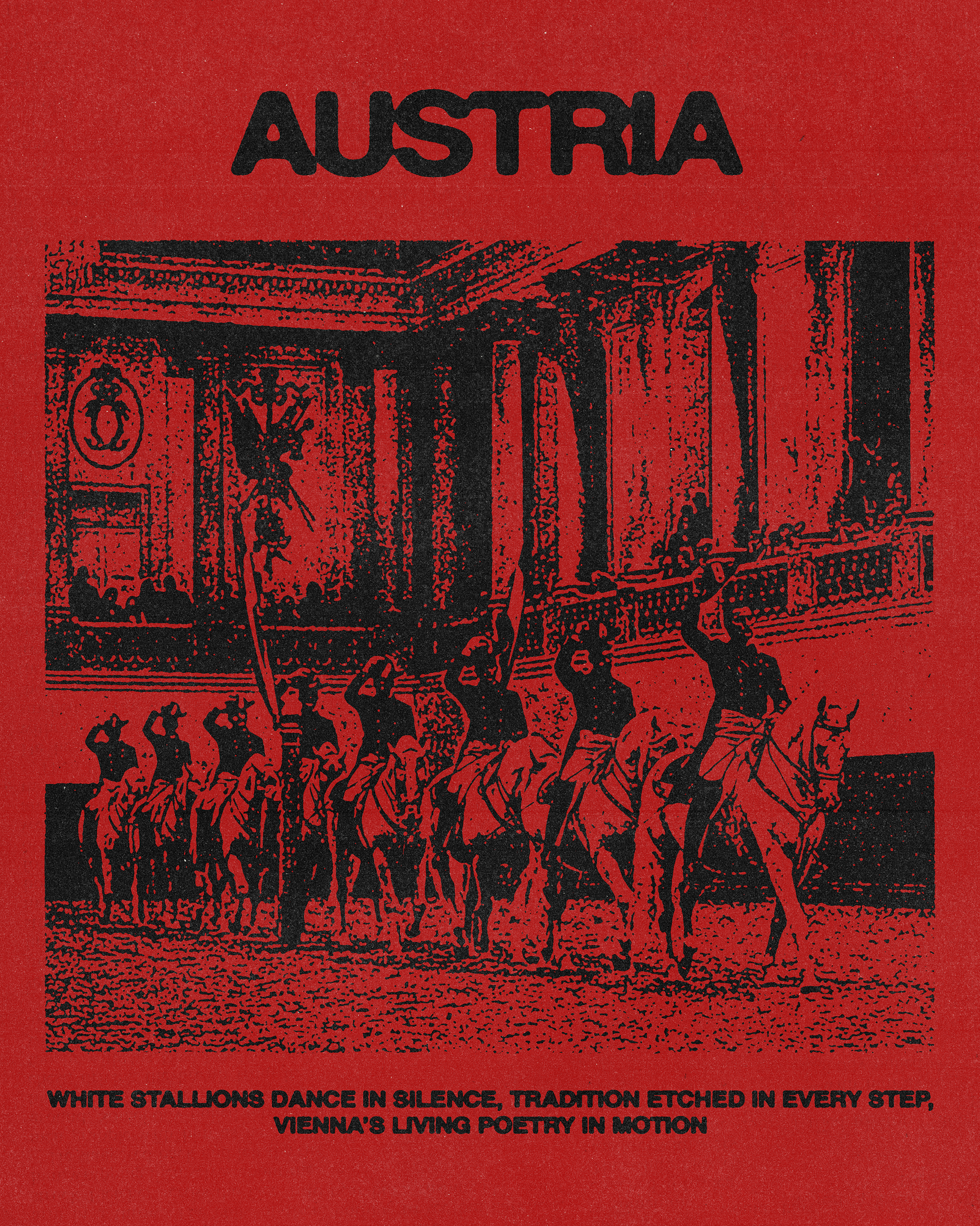
Austria
The Lipizzaner horses, famous for their graceful performances at the Spanish Riding School in Vienna, represent centuries of equestrian tradition and are celebrated as a national treasure of Austria.
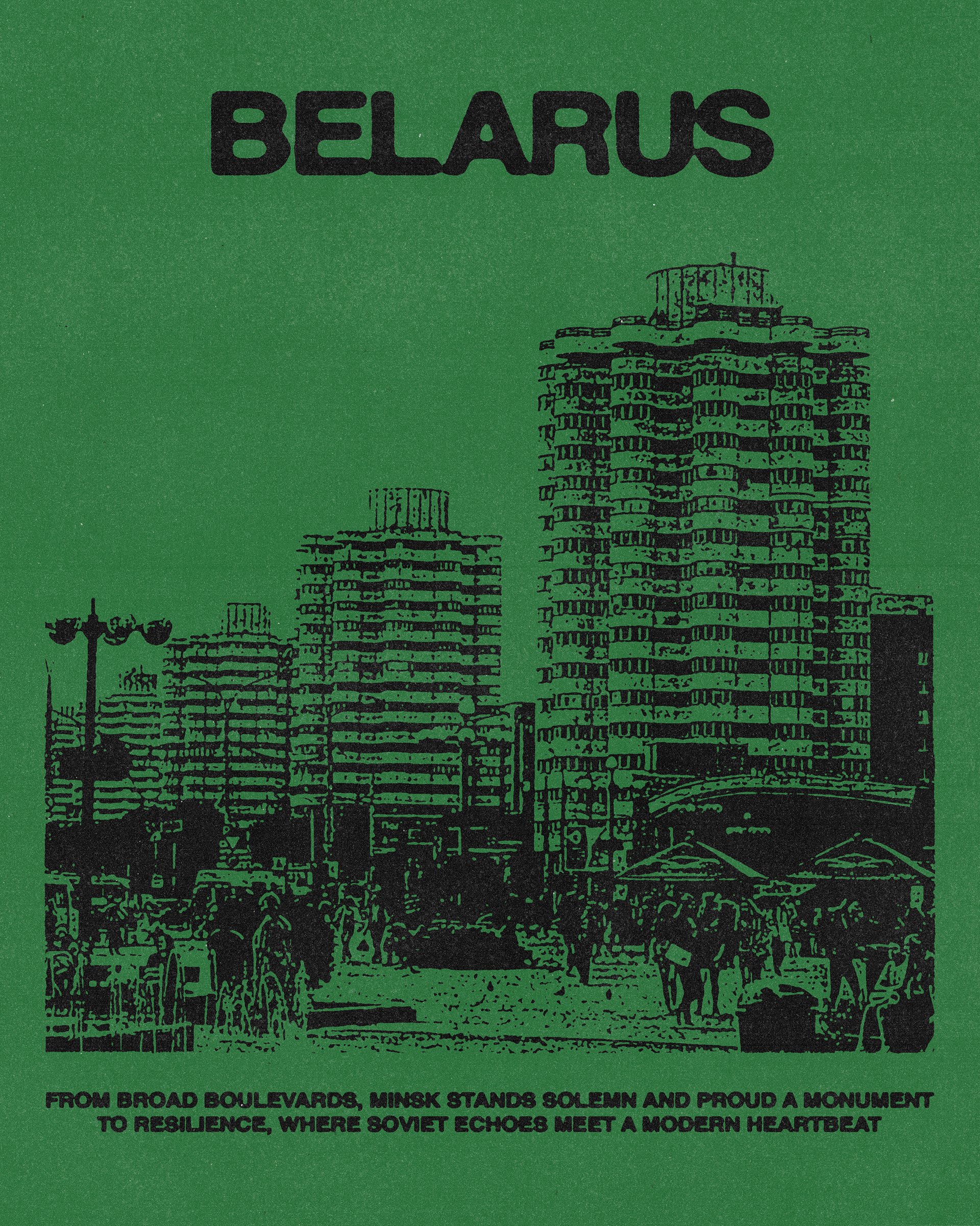
Belarus
Rebuilt almost entirely after the devastation of World War II, Minsk showcases a striking example of post-war Soviet urban planning, with wide avenues, grand squares and monumental architecture that reflect the city’s history of endurance and renewal.
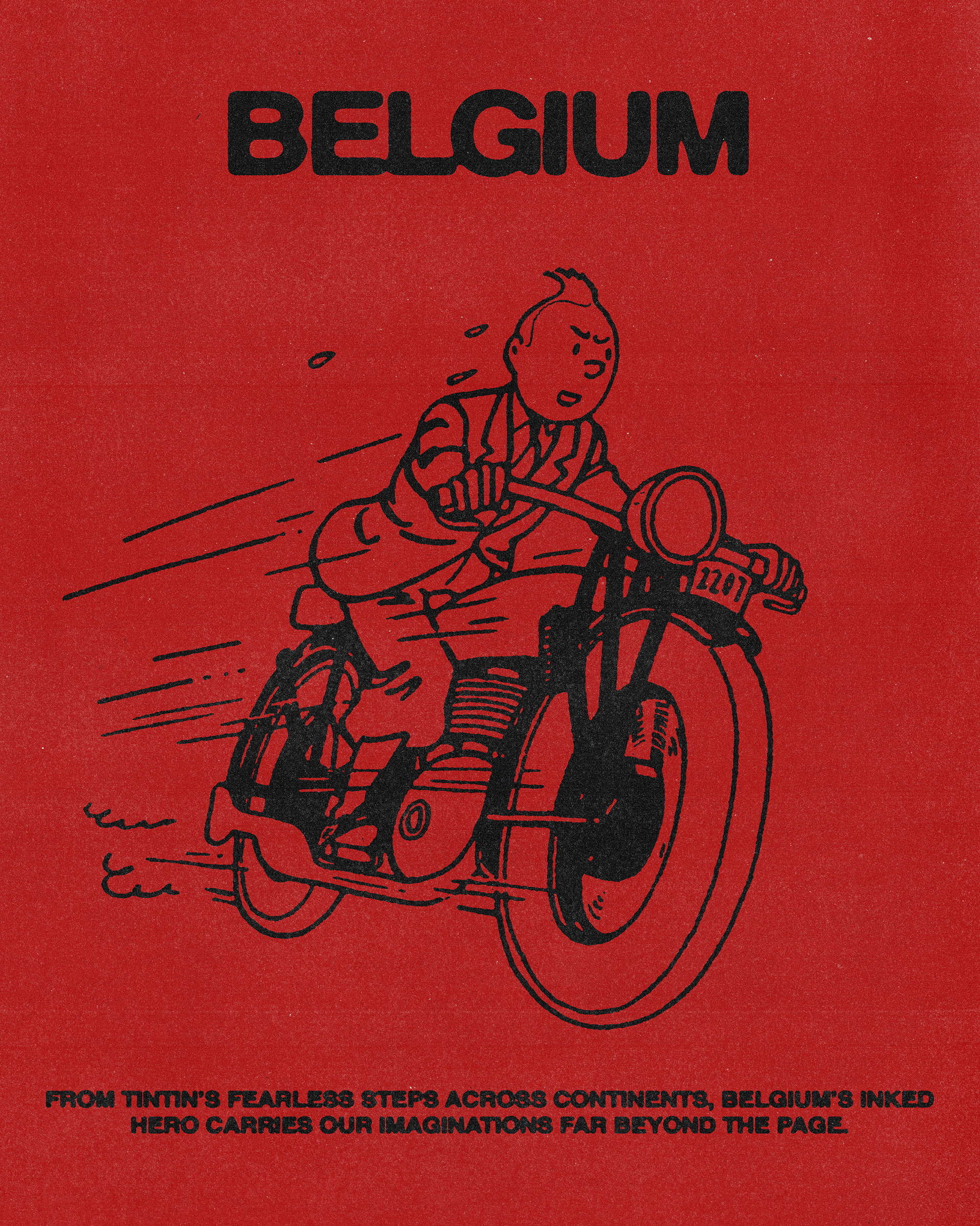
Belgium
Celebrated as the birthplace of many beloved comic characters Tintin, the Smurfs and Lucky Luke earning Brussels the title “Capital of Comics” and inspiring museums, murals and festivals devoted to the art of the graphic novel.
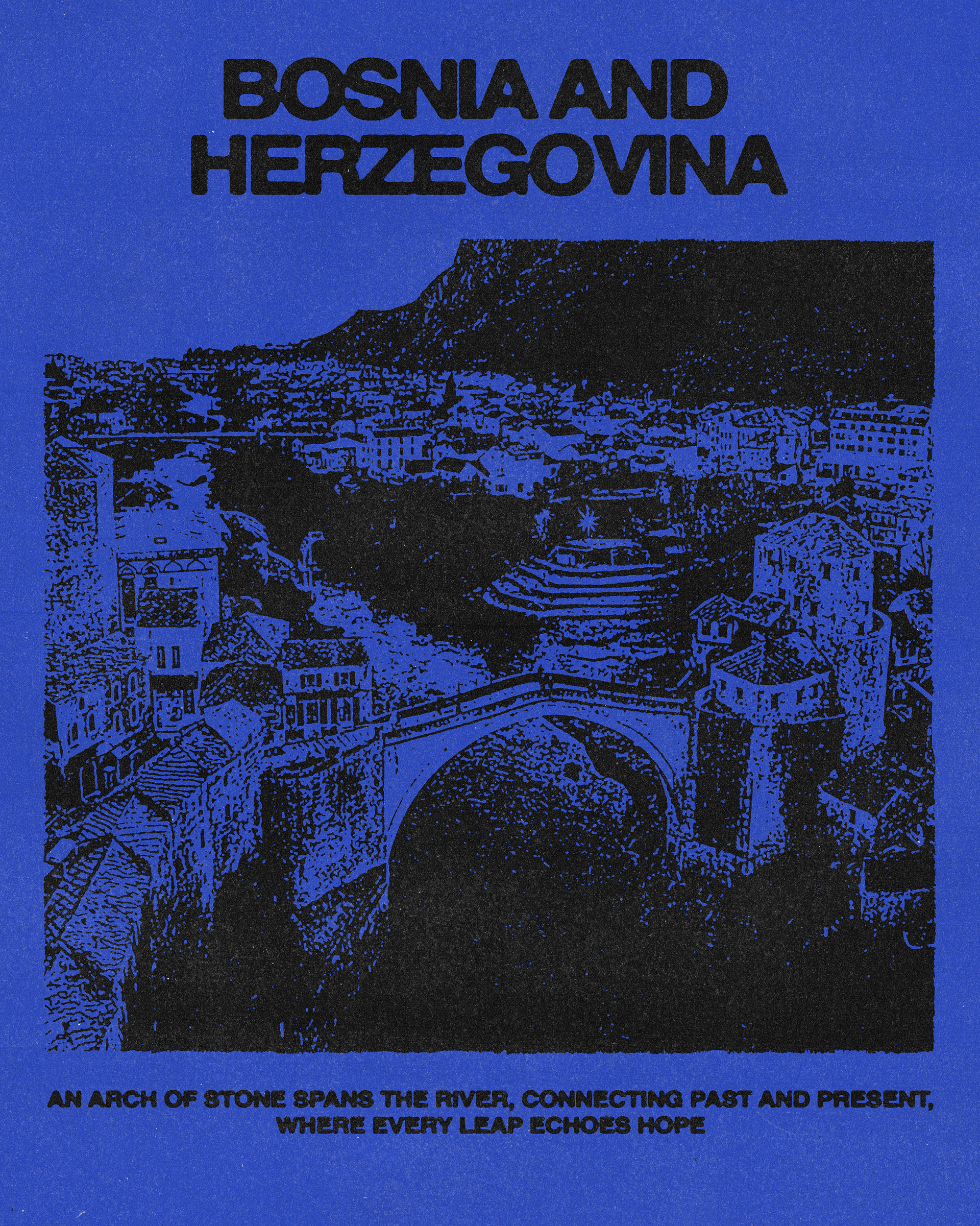
Bosnia and Herzegovina
Stari Most, the 16th-century Ottoman bridge in Mostar, was destroyed during the Bosnian War in 1993 and later rebuilt. It stands today as a UNESCO World Heritage site and a symbol of reconciliation and unity.
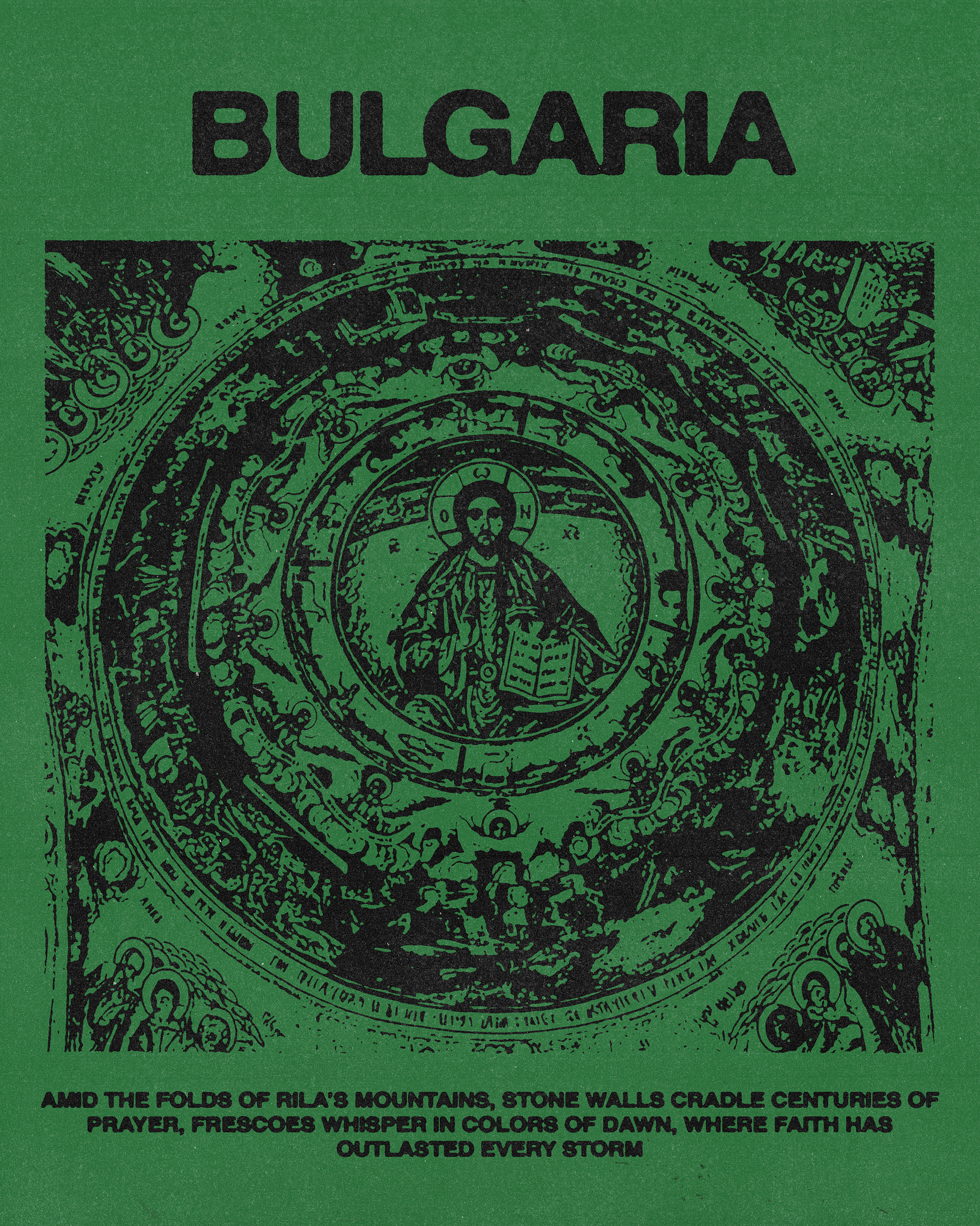
Bulgaria
Nestled high in the Rila Mountains, the Rila Monastery is Bulgaria’s most treasured spiritual sanctuary. Founded in the 10th century by St. Ivan of Rila, it stands as a masterpiece of Bulgarian Renaissance architecture and a symbol of the country’s enduring Orthodox faith and cultural identity.
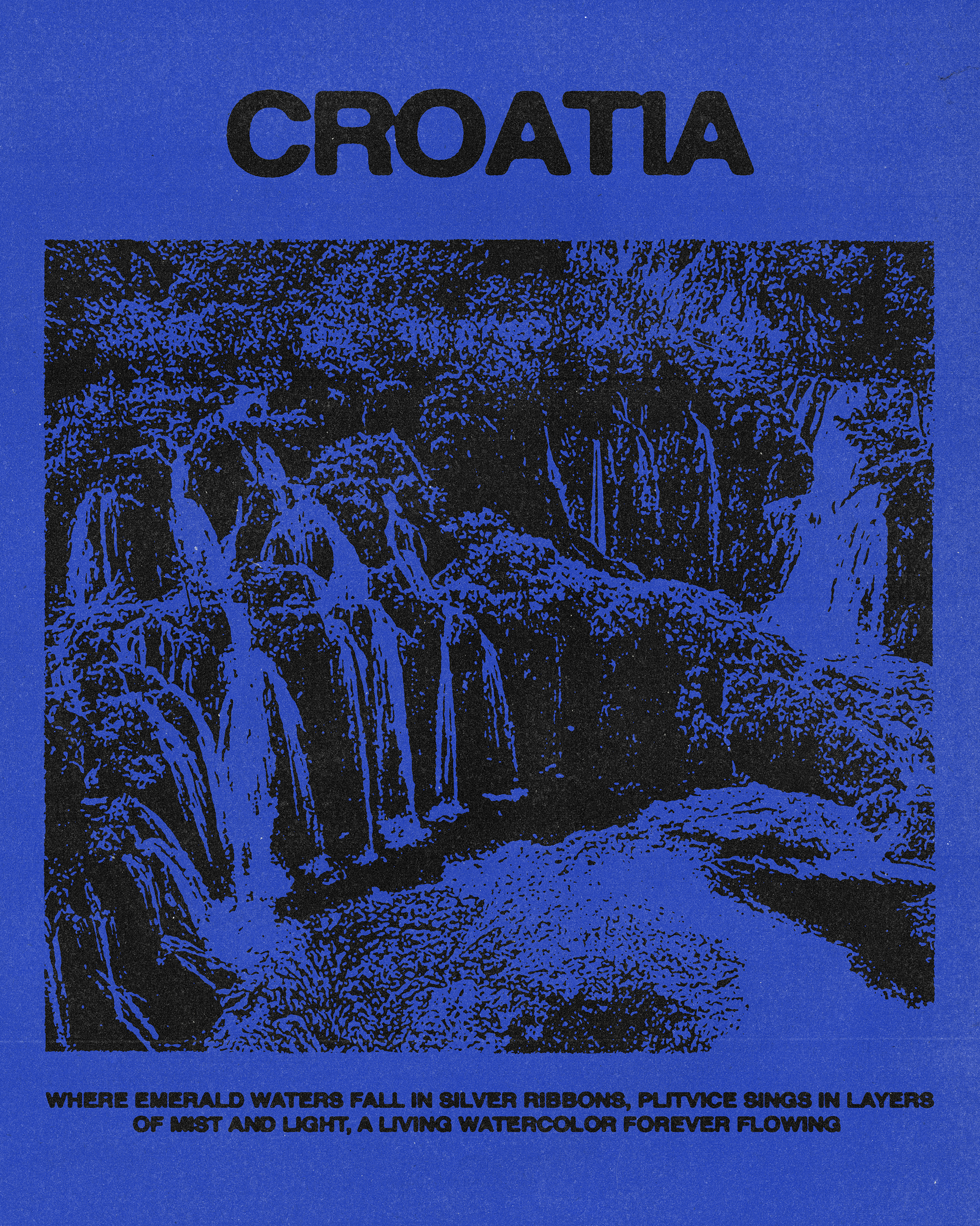
Croatia
Croatia’s Plitvice Lakes National Park, a UNESCO World Heritage site is famed for its chain of sixteen crystal-clear lakes linked by cascading waterfalls. This natural wonder showcases limestone and travertine formations that have been shaping the landscape for thousands of years.
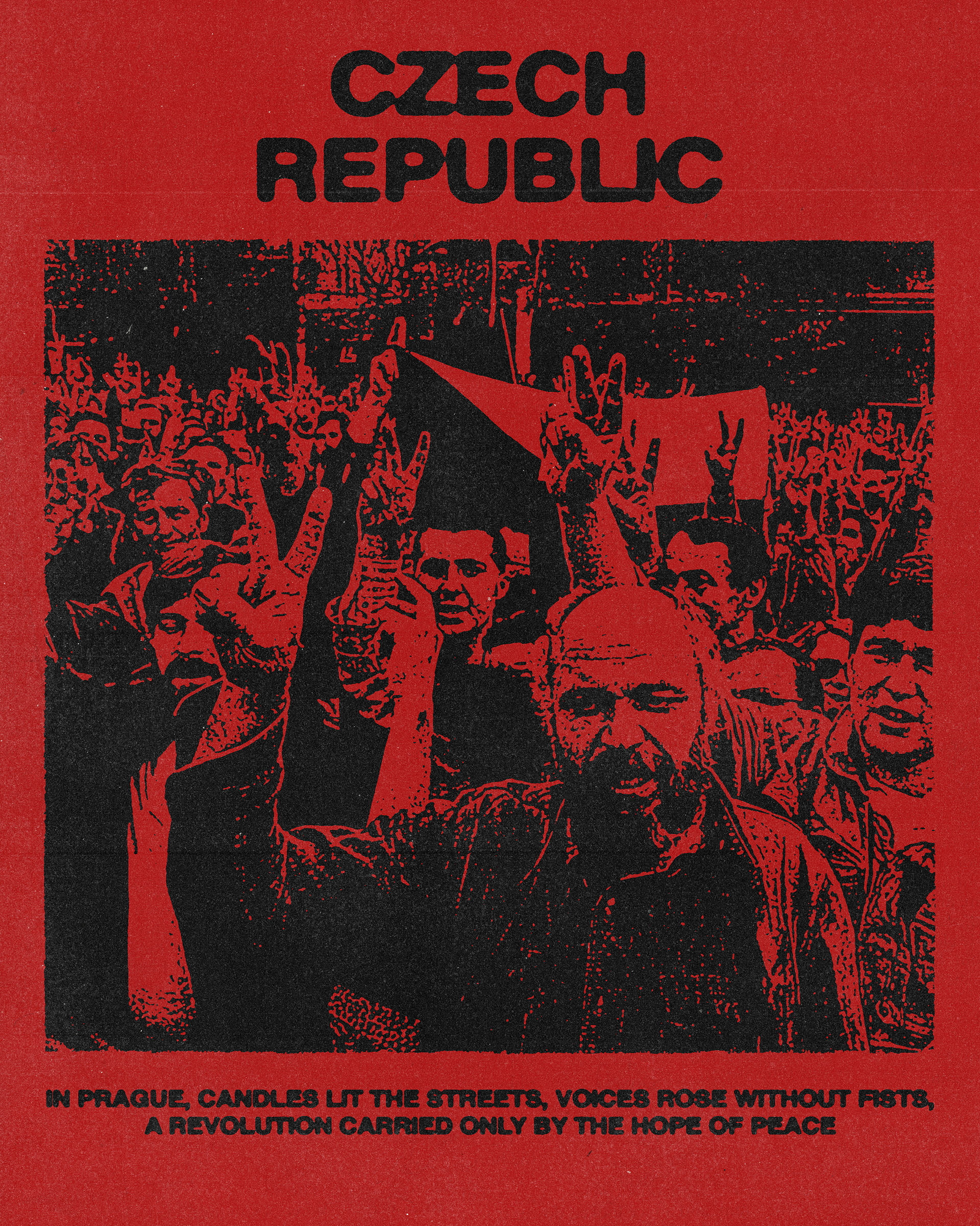
Czech Republic
The Velvet Revolution of 1989 was a peaceful uprising in Czechoslovakia that ended four decades of communist rule. Without violence, citizens filled the streets with songs, keys and unity, proving that freedom could be won through peace.
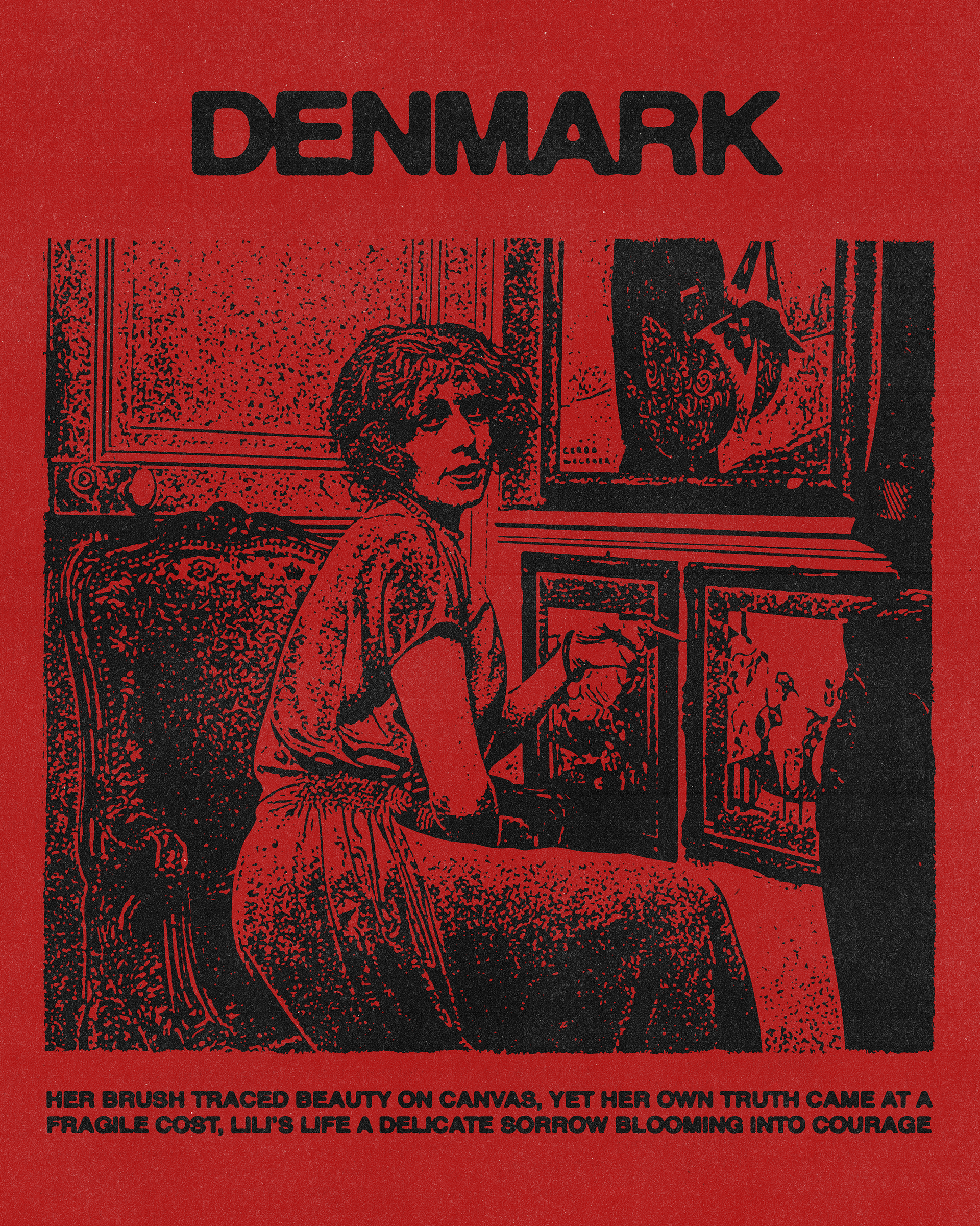
Denmark
Lili Elbe, born in Denmark, was one of the first known people to undergo gender confirmation surgery in the 1930s. Her journey made her a symbol of courage and self-discovery, remembered today as a pioneer for transgender visibility and rights.
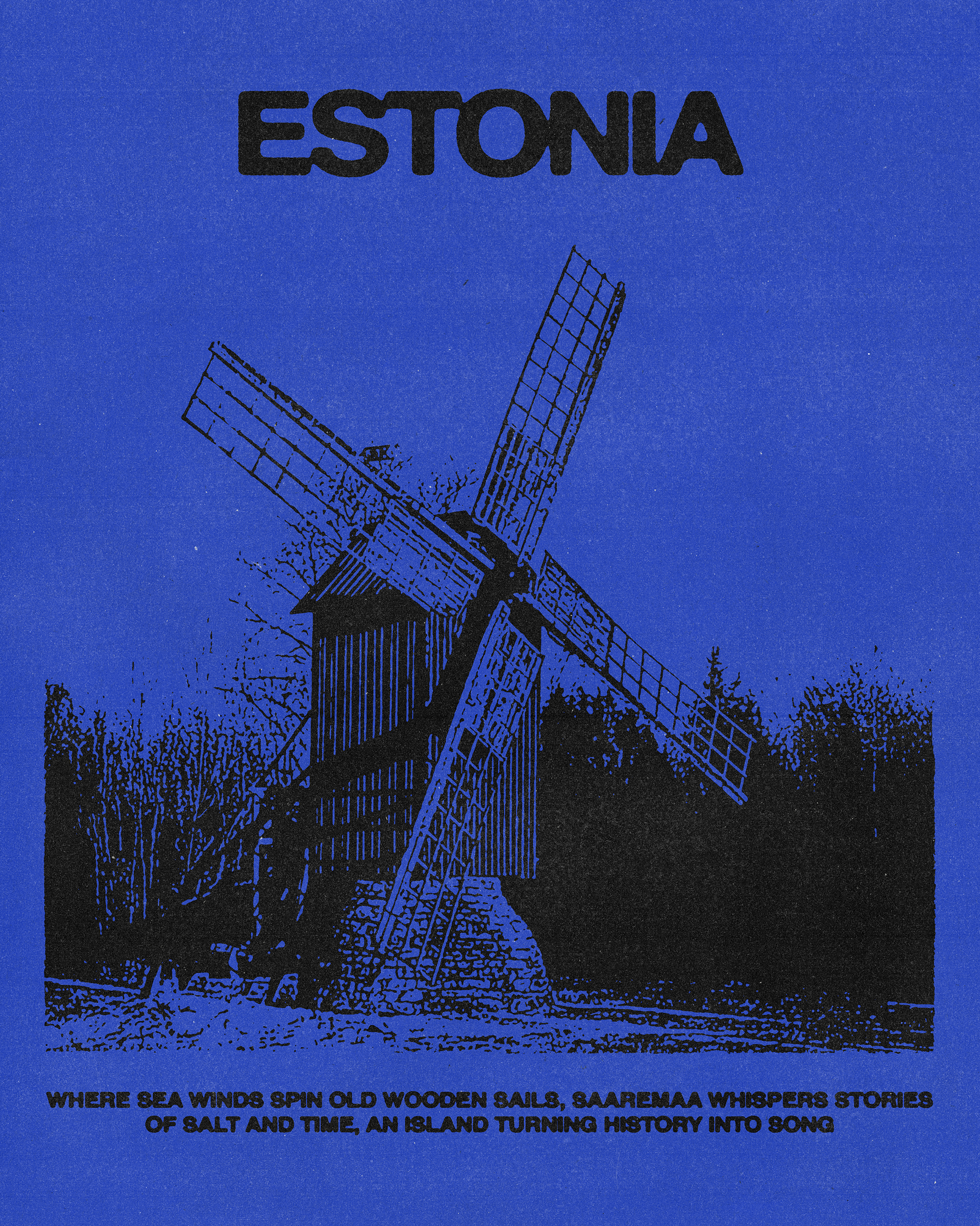
Estonia
Estonia’s Saaremaa Island is famed for its iconic 18th and 19th-century wooden windmills, symbols of self-reliance and rural life. These windswept relics of Baltic tradition reflect the islanders enduring connection to the sea and centuries-old farming heritage.
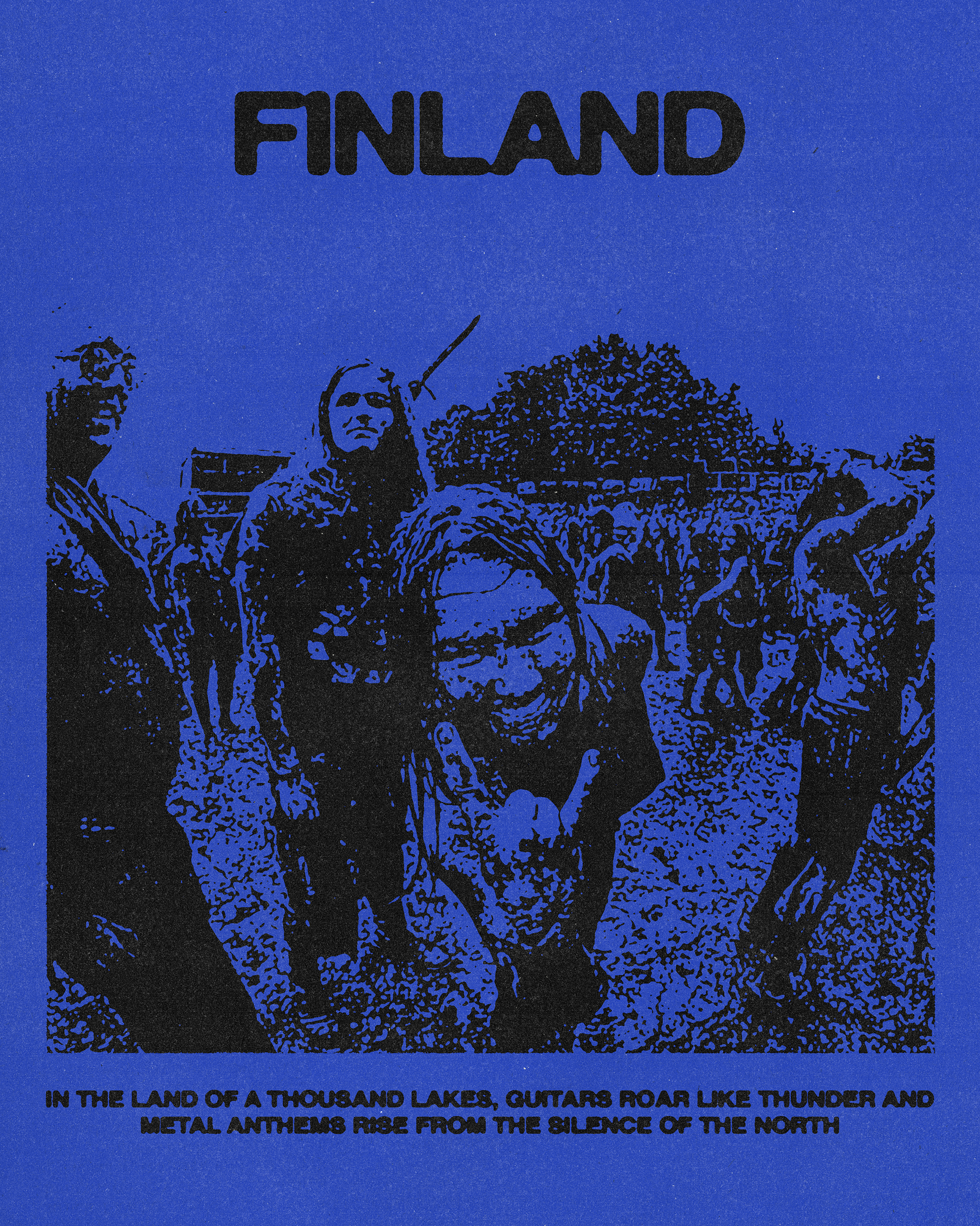
Finland
Finland has more heavy metal bands per capita than any other country in the world, making the genre a proud and unexpected part of its cultural identity.
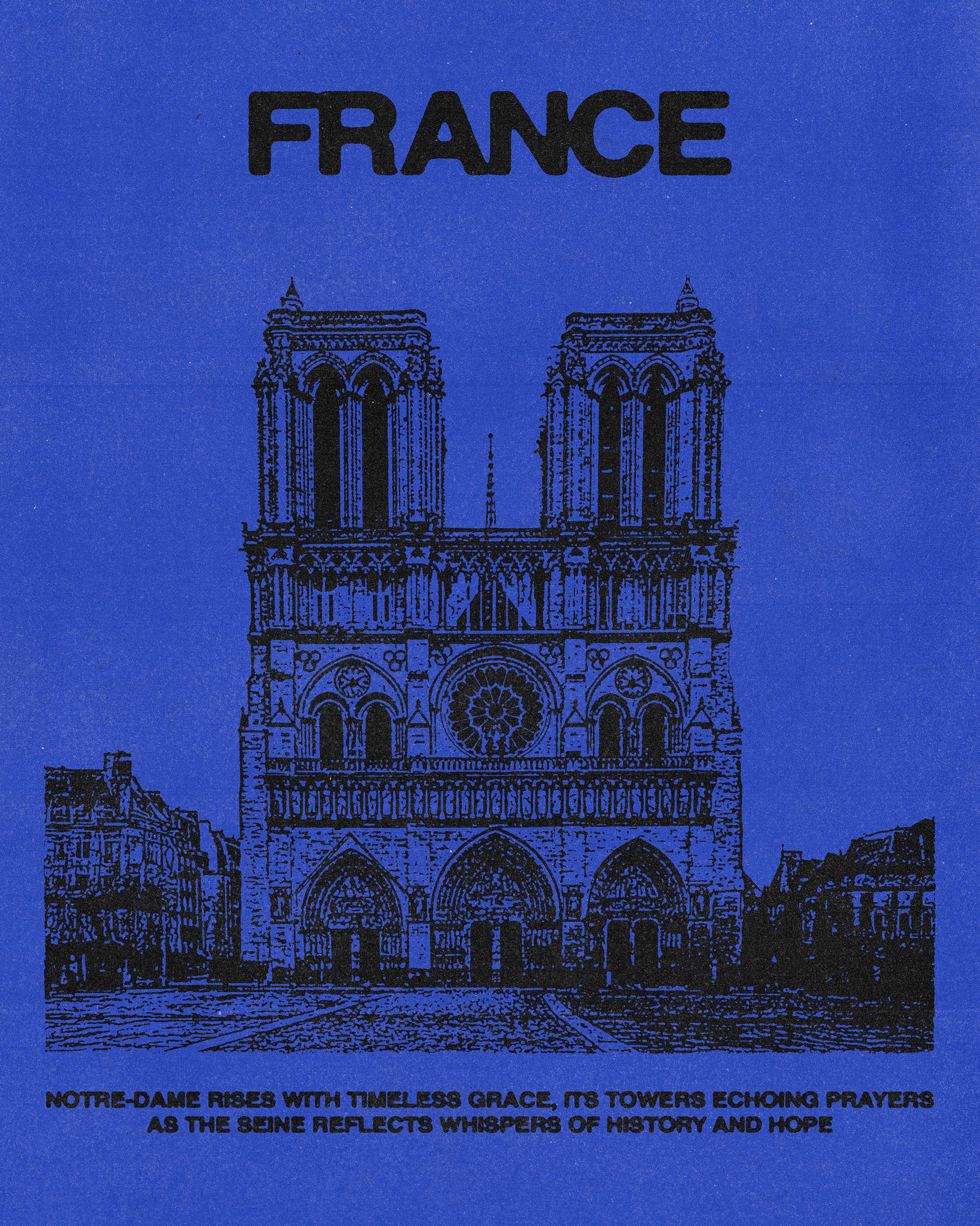
France
Notre-Dame Cathedral in Paris begun in 1163, is a masterpiece of Gothic architecture, celebrated for its flying buttresses, intricate sculptures and stunning stained glass. It has witnessed centuries of French history and remains a symbol of cultural and spiritual endurance.
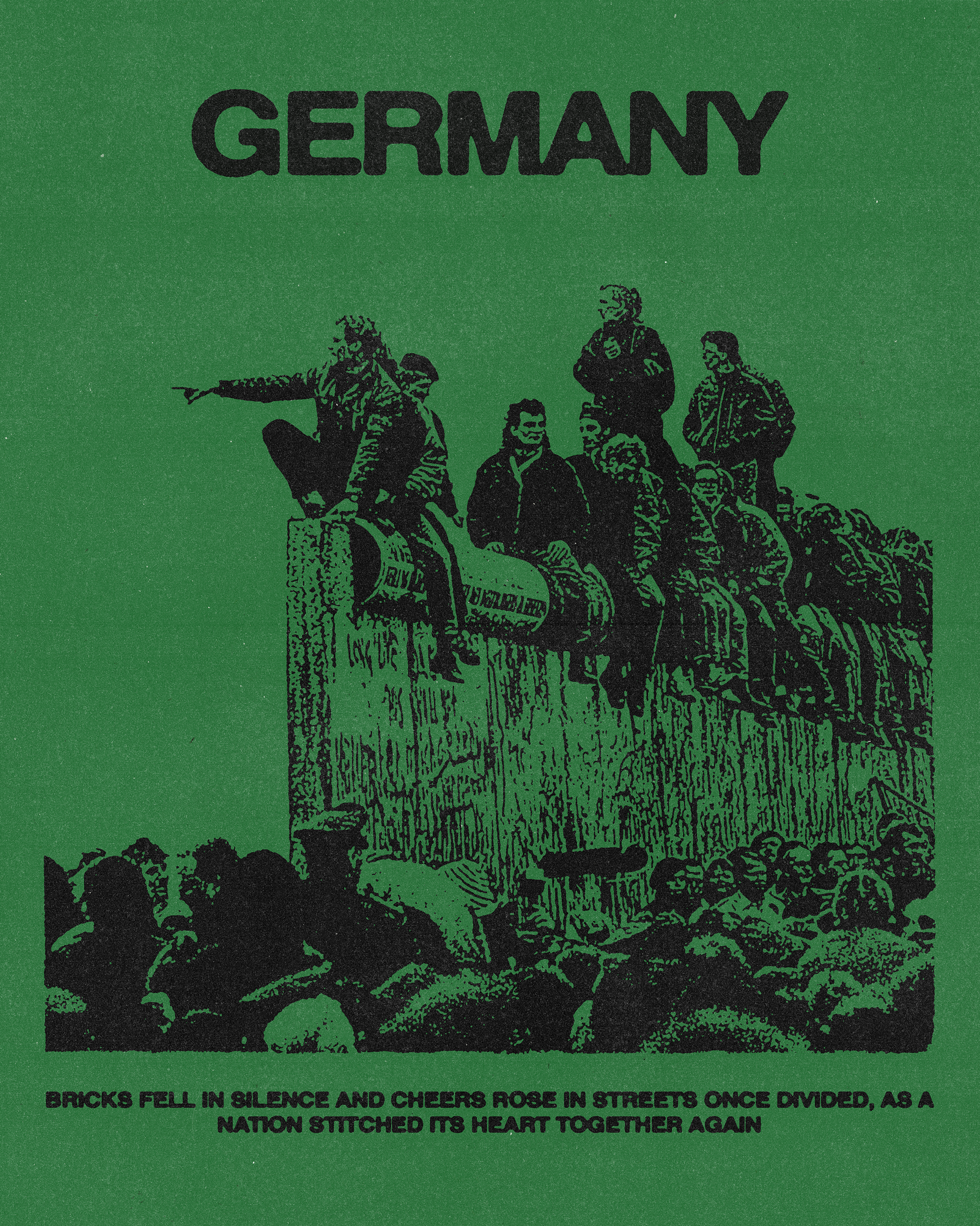
Germany
The Berlin Wall, erected in 1961 separated East and West Germany for nearly three decades. Its fall in 1989 marked the peaceful reunification of the country, symbolizing hope, resilience and the triumph of freedom over division.
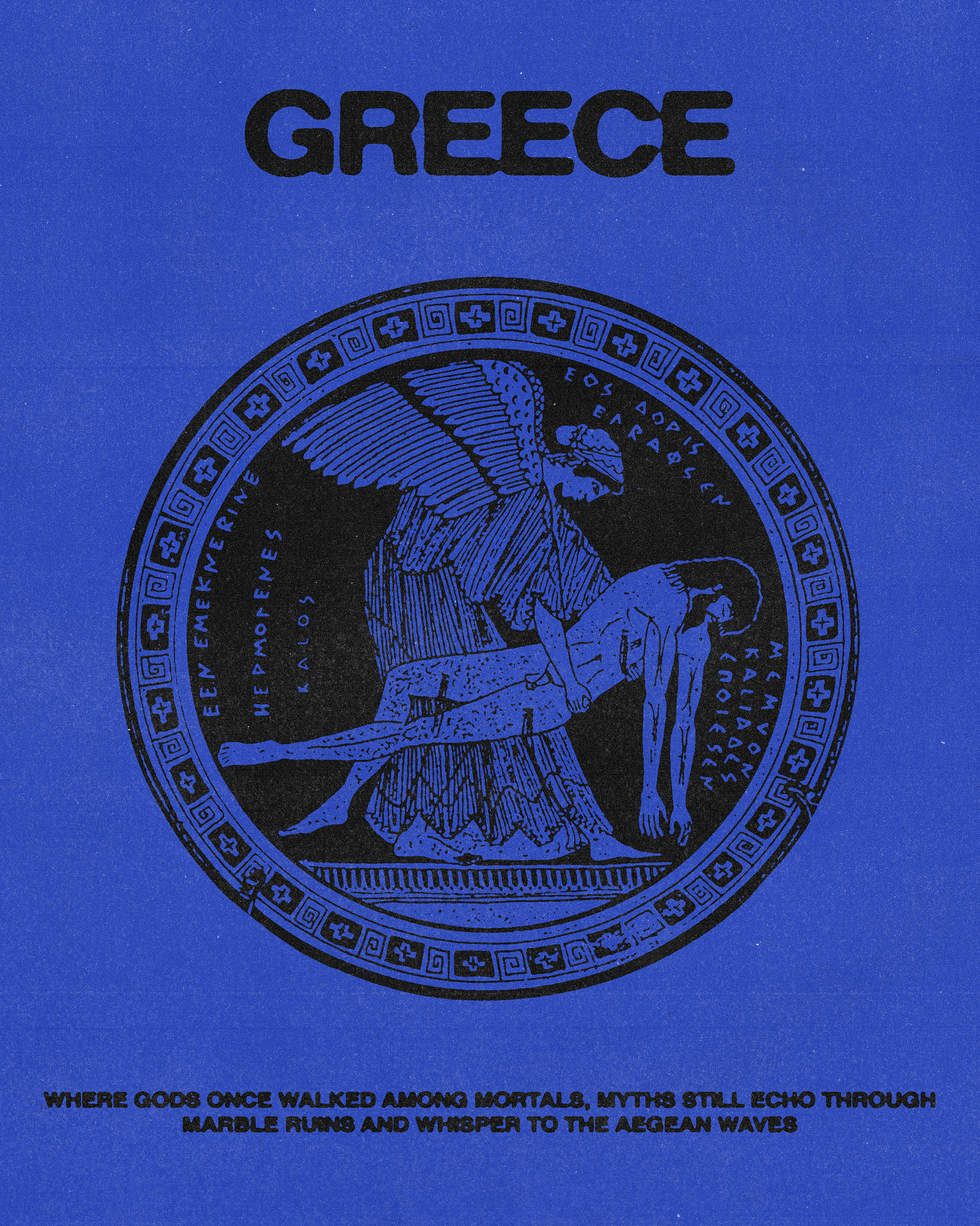
Greece
Greek mythology is filled with tales of gods, heroes and epic quests, has shaped Western literature, philosophy and art for centuries with Mount Olympus standing as the mythical home of the gods.
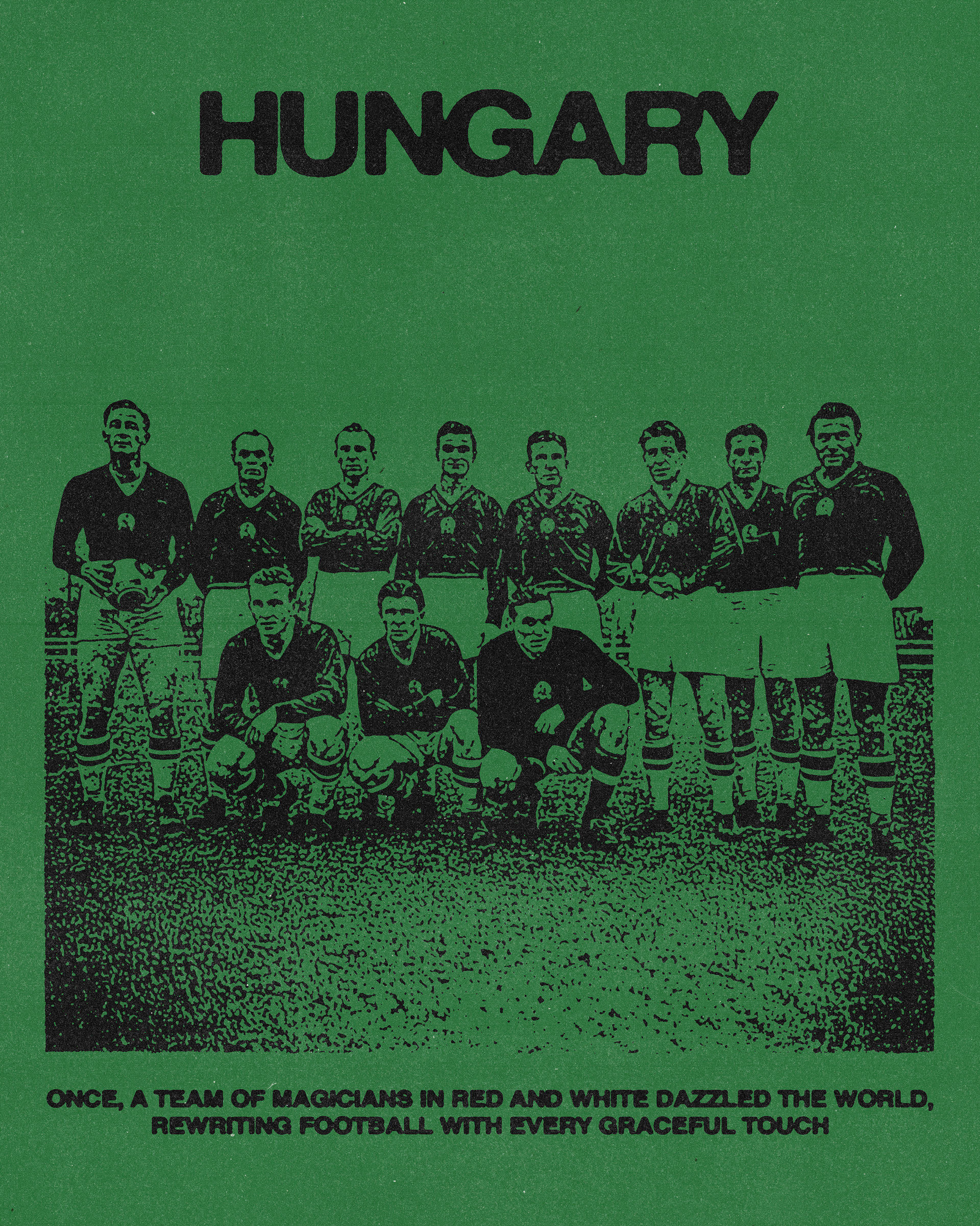
Hungary
The “Golden Generation” of the 1950s, led by Ferenc Puskás was one of the most dominant teams in football history, reaching the 1954 World Cup final and revolutionizing the modern game.
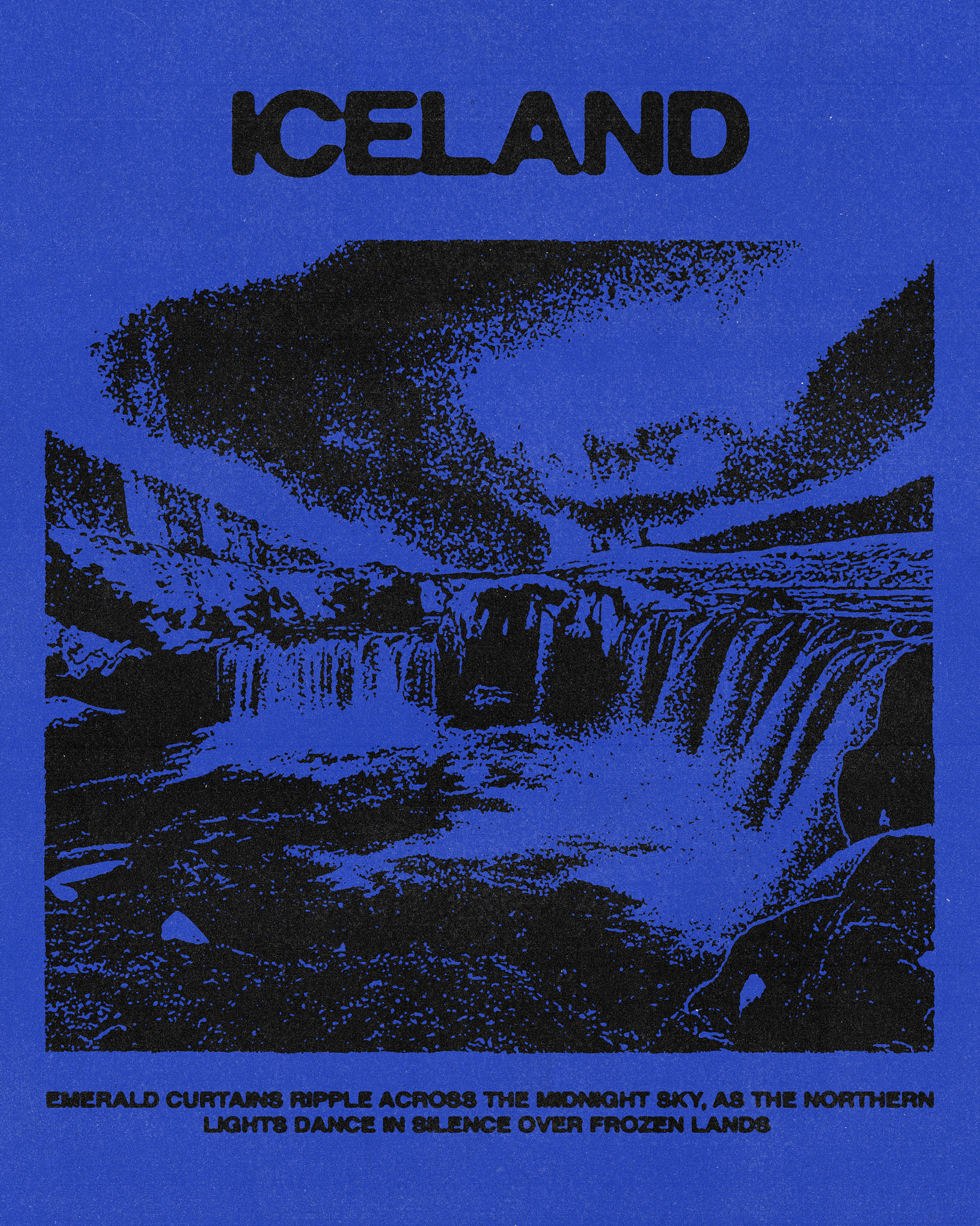
Iceland
The Aurora Borealis or Northern Lights, is one of Iceland’s most breathtaking natural wonders, caused by solar particles colliding with Earth’s atmosphere and painting the skies with luminous colors.
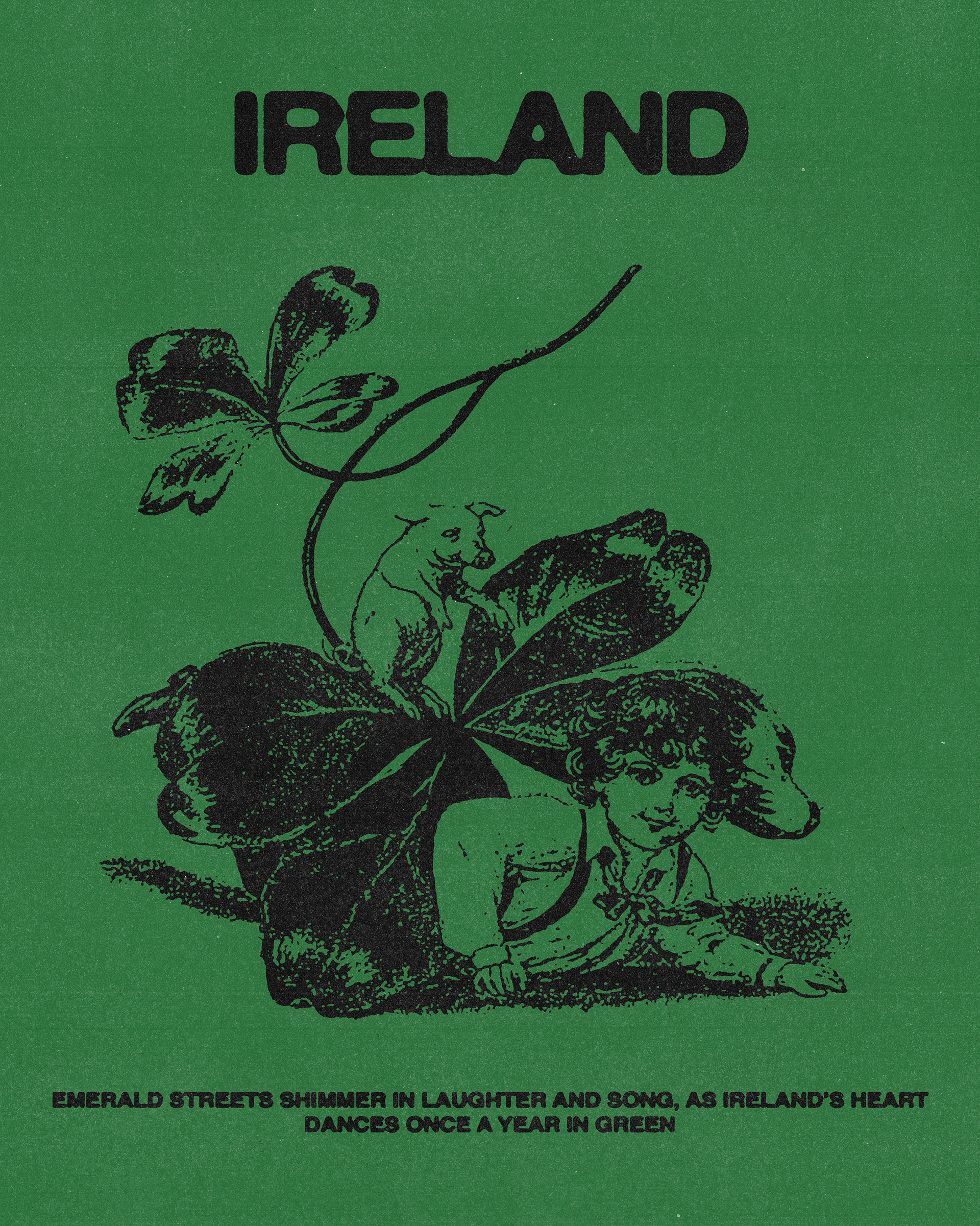
Ireland
St. Patrick’s Day celebrated on March 17th, honors Ireland’s patron saint and has become a global festival of Irish culture, featuring parades, music and the iconic sea of green worn by millions around the world.
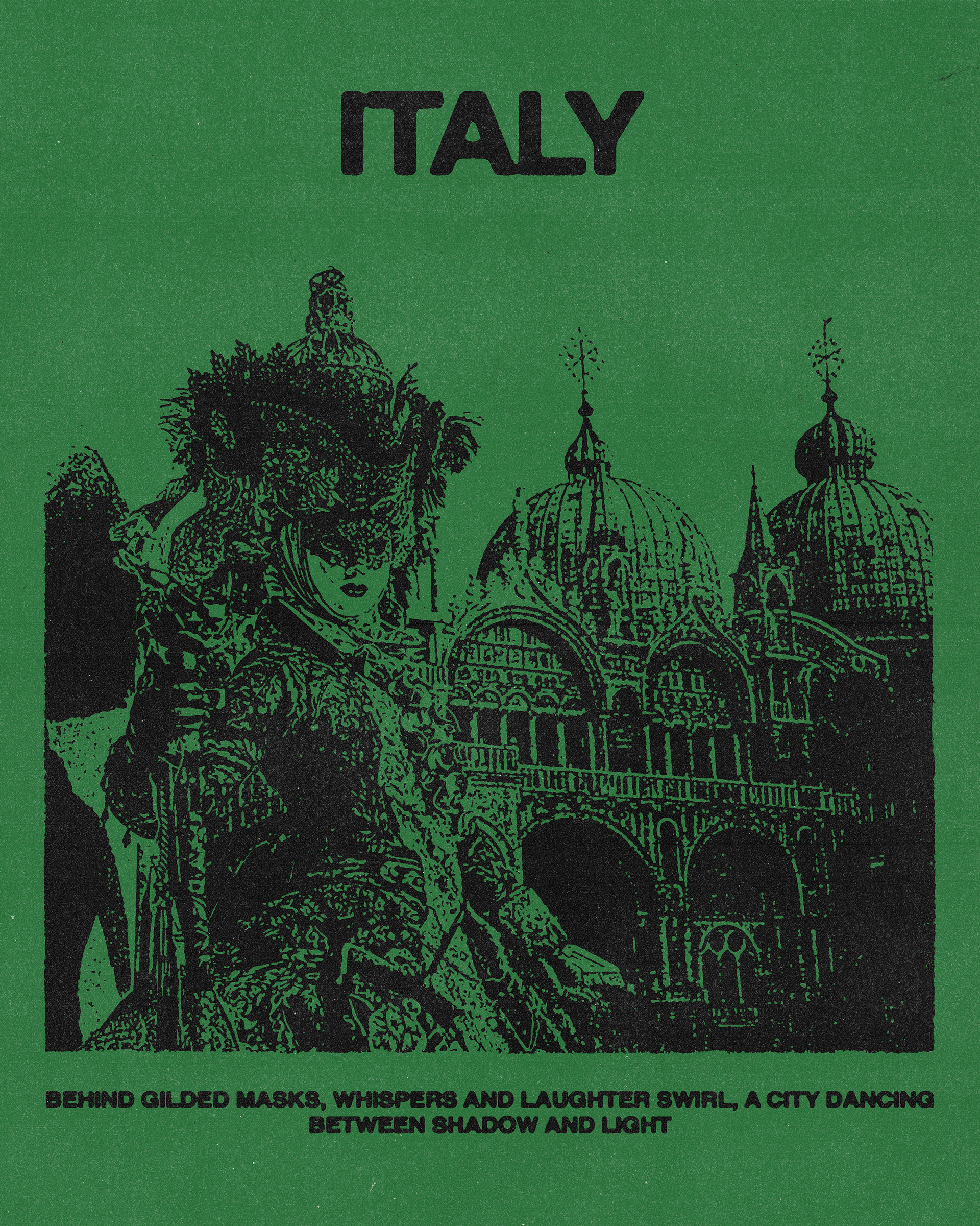
Italy
The Venetian Carnival dating back to the 12th century, is a world-famous festival in Venice where participants don elaborate masks and costumes. It celebrates art, performance and centuries of Venetian history, drawing visitors from all over the globe.
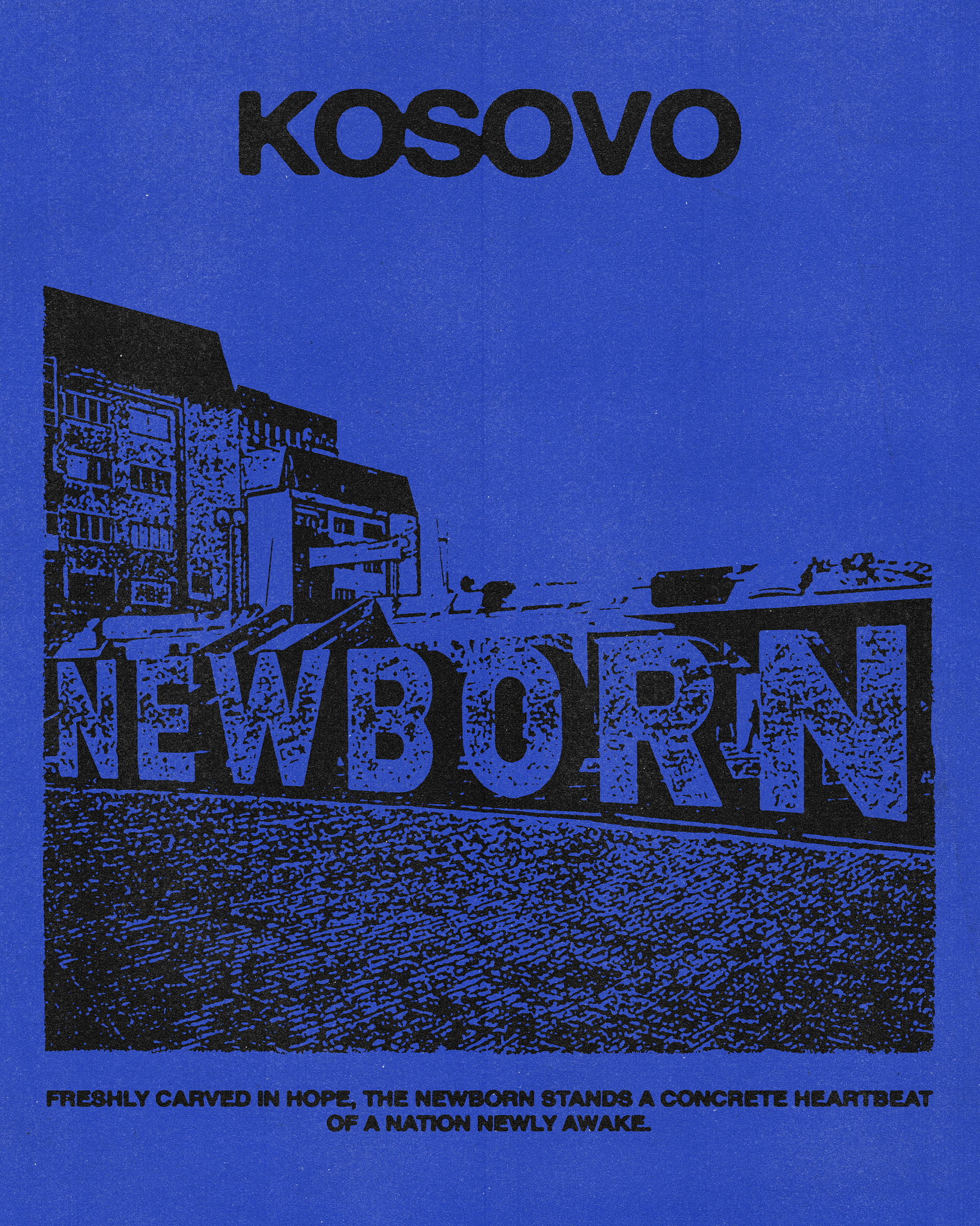
Kosovo
Unveiled on February 17th 2008 the day Kosovo declared independence, the Newborn Monument in Pristina is repainted each year with new colors and messages, symbolizing the country’s evolving identity and youthful spirit.
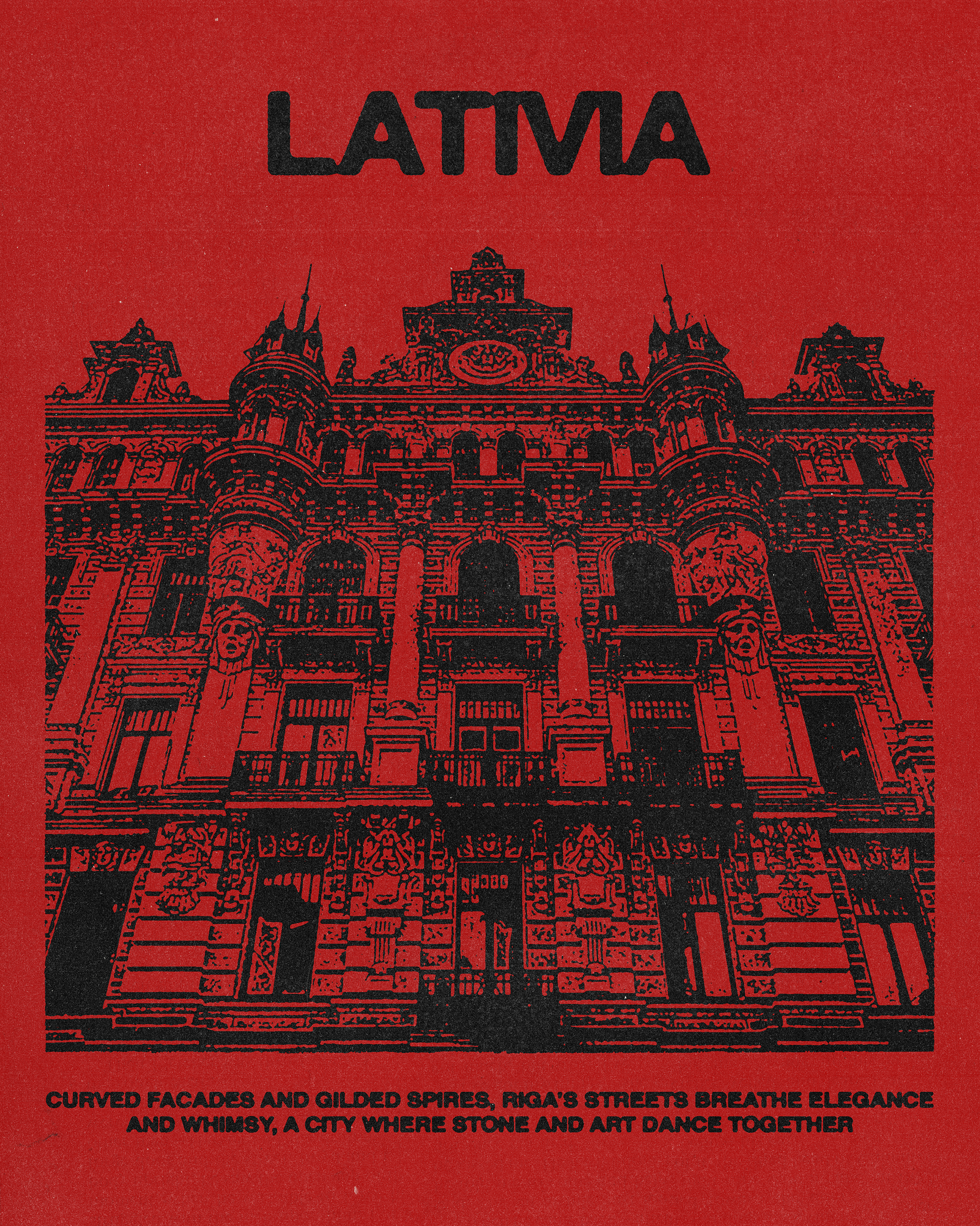
Latvia
Riga, Latvia’s capital boasts one of the largest and most remarkable collections of Art Nouveau architecture in Europe. Built in the early 20th century, these intricately decorated buildings reflect the city’s prosperity and artistic innovation during that period.
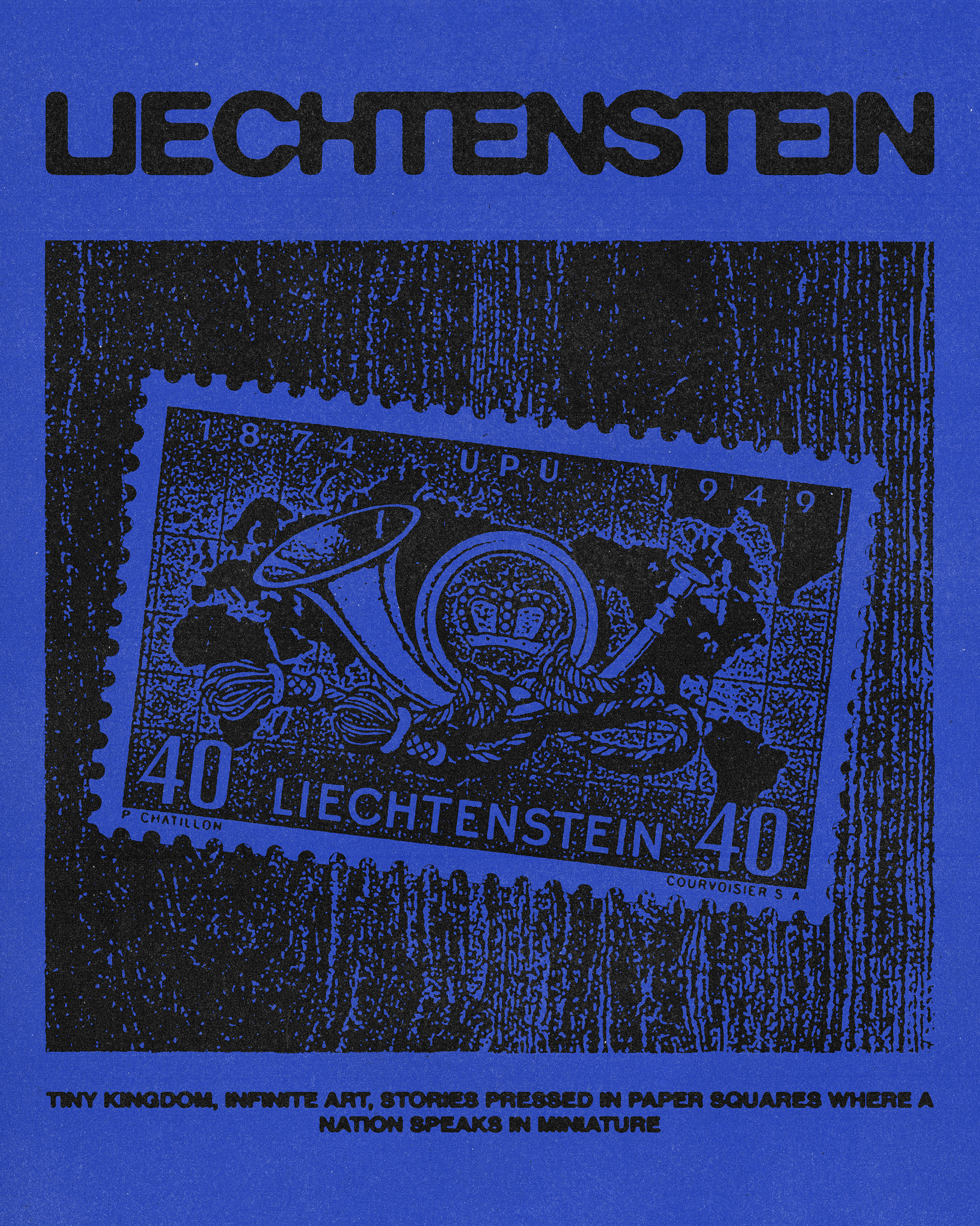
Liechtenstein
Liechtenstein’s postage stamps are celebrated worldwide for their exceptional design and craftsmanship. Since the early 20th century, these small works of art have drawn collectors across the globe, turning the country into a quiet powerhouse of philatelic prestige.
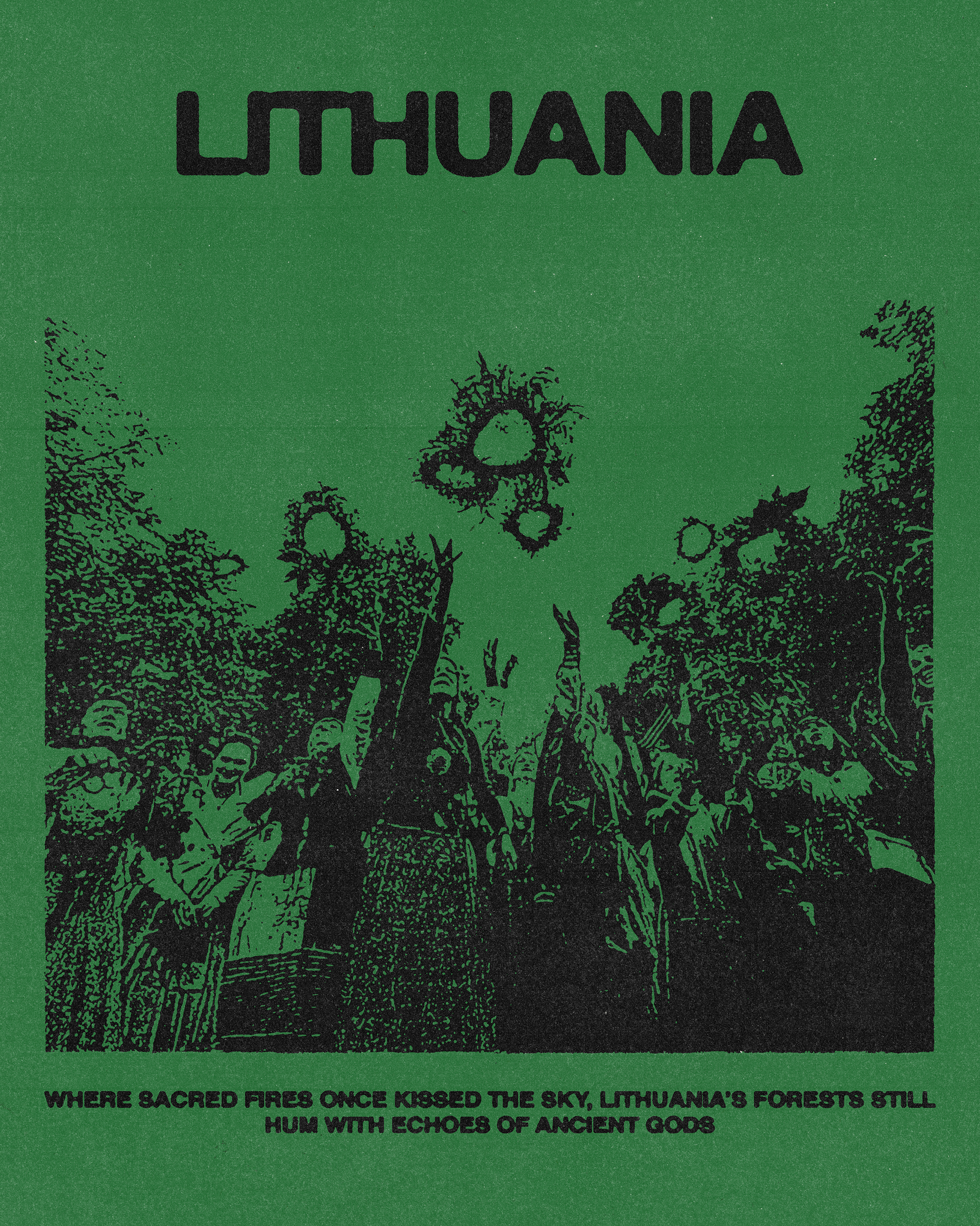
Lithuania
Lithuania was the last country in Europe to officially adopt Christianity in 1387, holding onto its rich pagan traditions for centuries, which remain a proud part of its cultural identity.
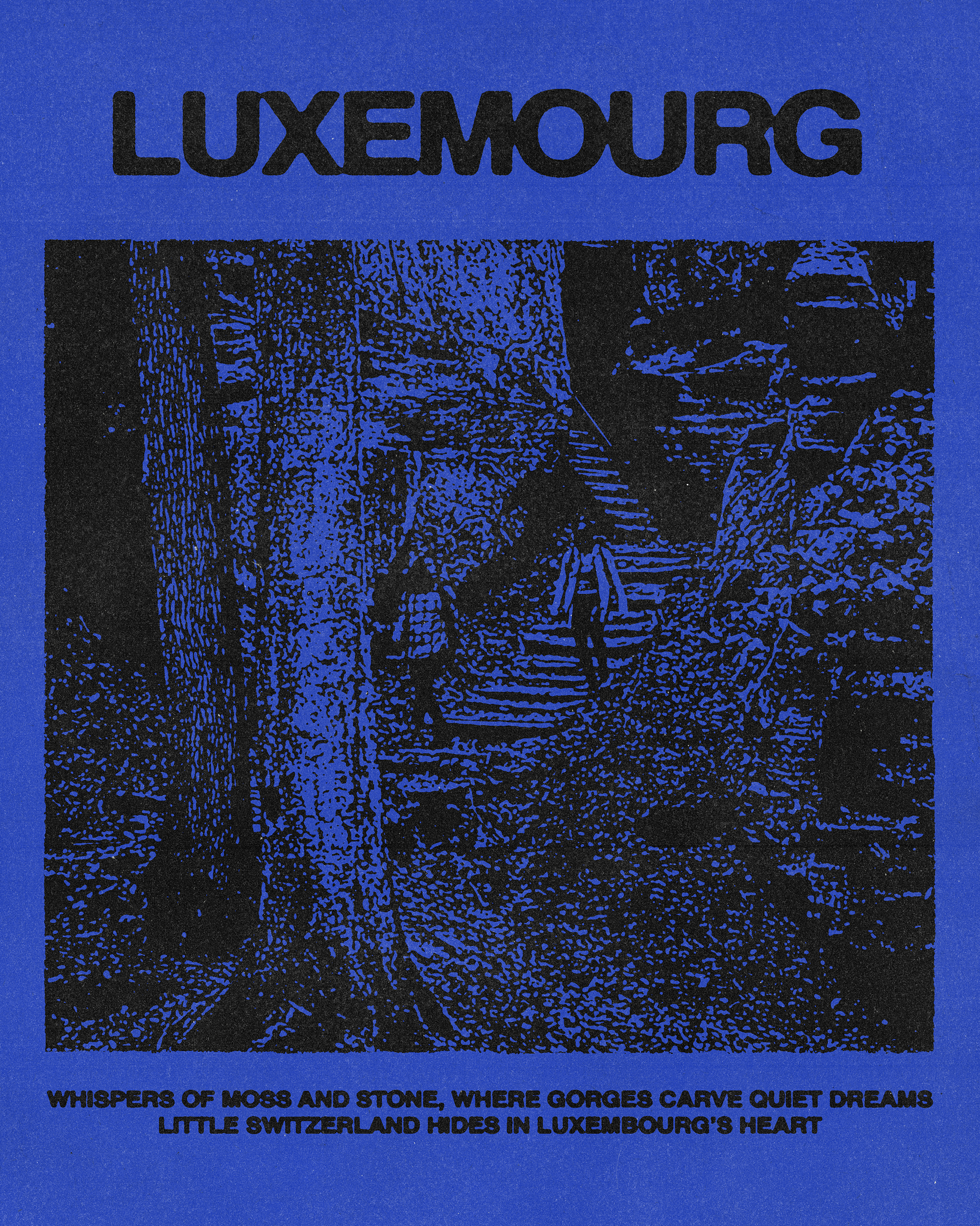
Luxembourg
The Mullerthal Trail, lovingly called “Little Switzerland” winds through lush forests, sandstone cliffs and hidden waterfalls. Its dramatic rock formations and ancient gorges have made it a national treasure and a hiker’s paradise, earning Luxembourg a reputation for landscapes far grander than its size.
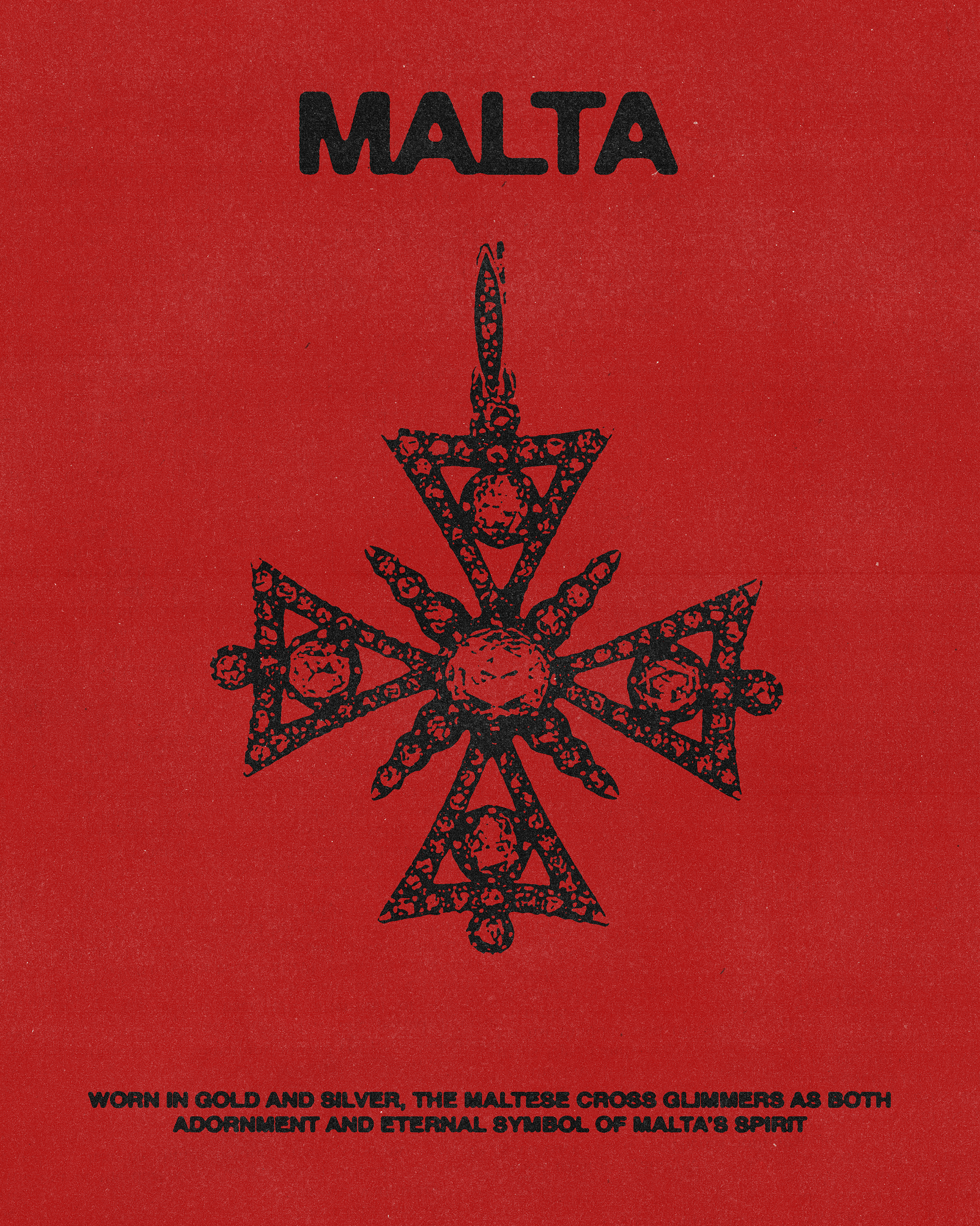
Malta
The Maltese Cross with its distinctive eight-pointed shape, is a historic emblem of the Knights of St. John, representing values of bravery, honor and service that remain tied to Malta’s identity today.
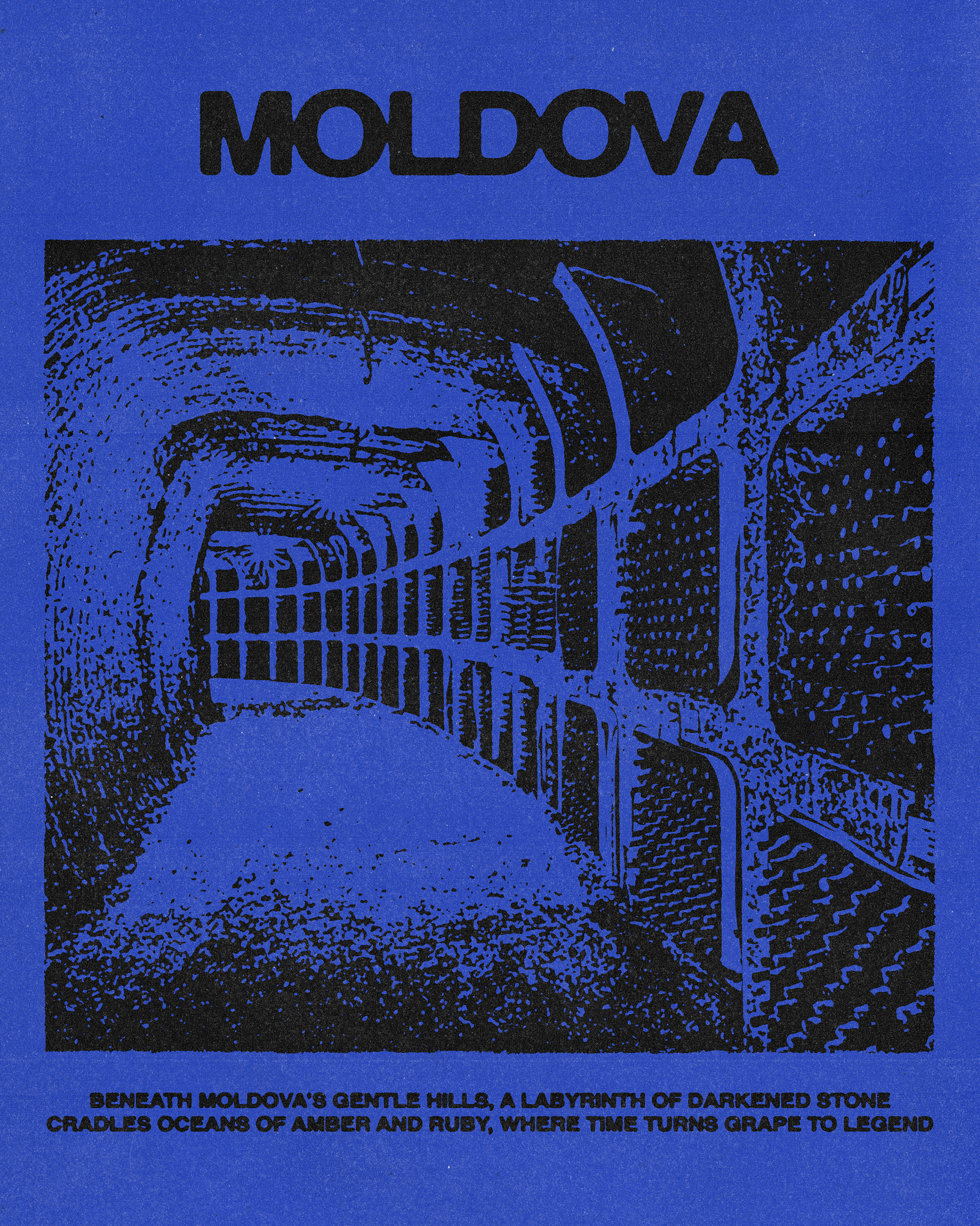
Moldova
Hidden beneath the Moldovan countryside, the Milestii Mici wine cellars stretch over 200 kilometers, holding the world’s largest wine collection, more than 1.5 million bottles making it a national treasure and a symbol of Moldova’s centuries-old winemaking heritage.
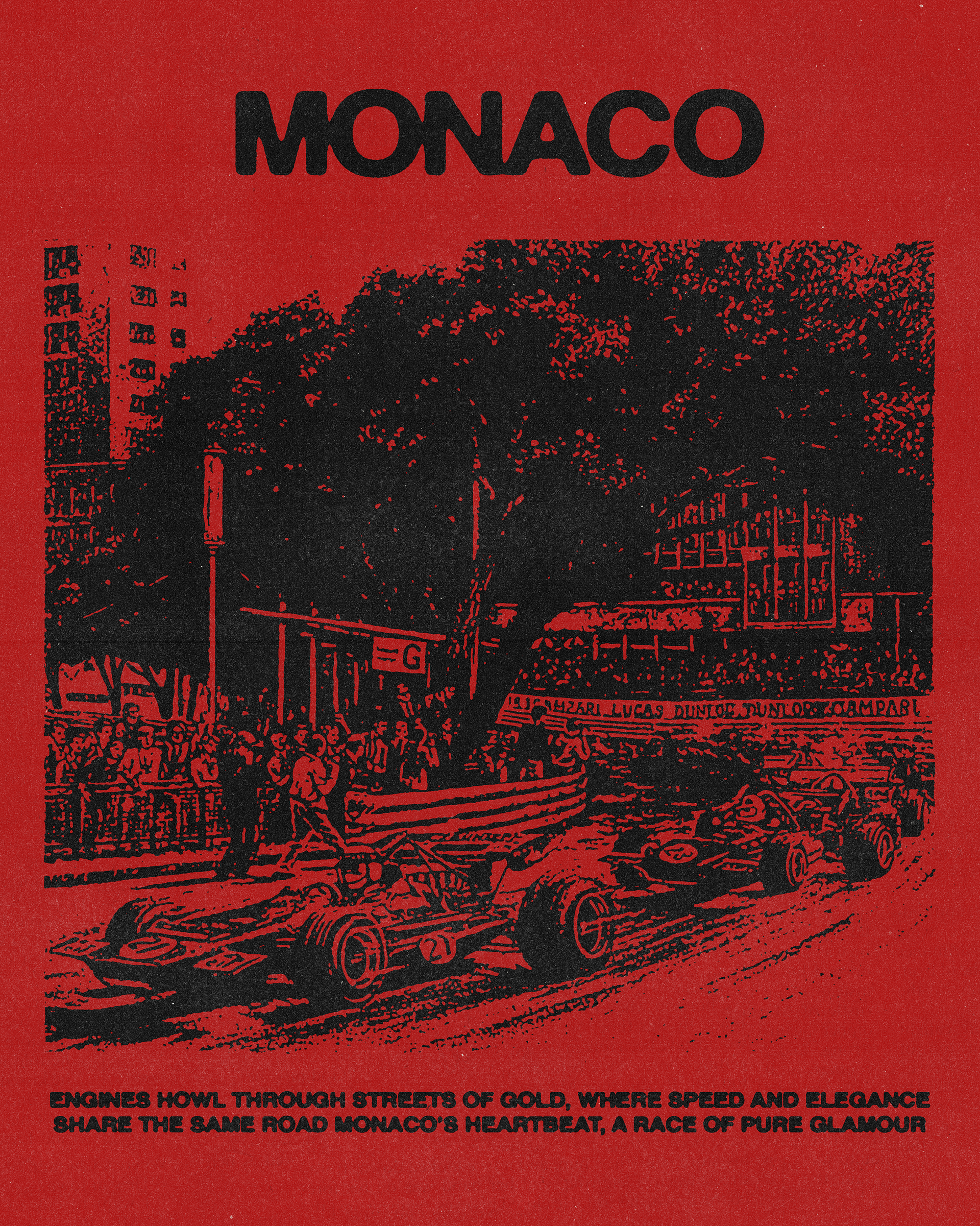
Monaco
Since 1929 the Monaco Grand Prix has transformed the narrow streets of Monte Carlo into one of Formula 1’s most prestigious circuits, blending high-speed racing with the opulence of the French Riviera.
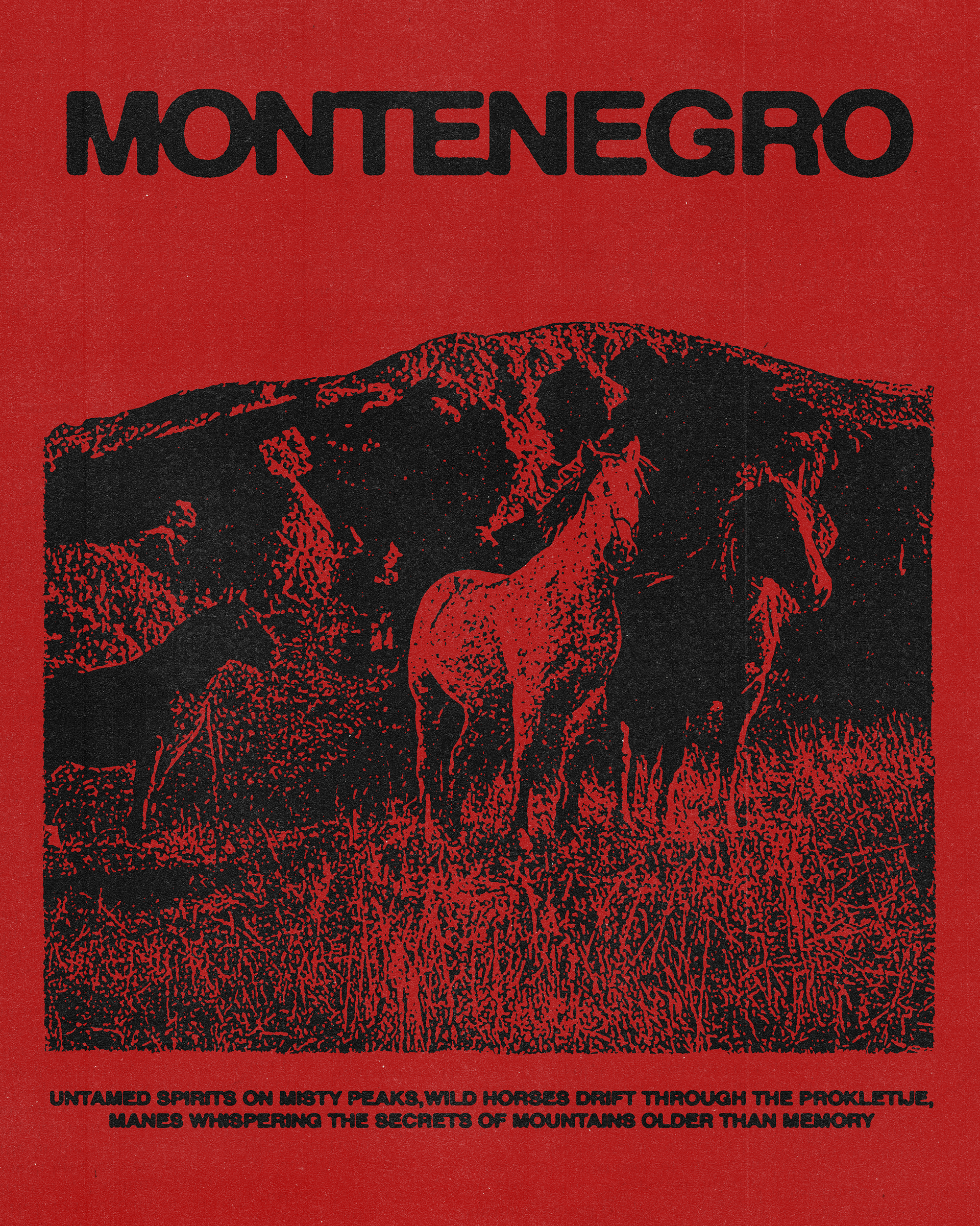
Montenegro
High in Montenegro’s Prokletije Mountains, herds of wild horses roam freely across alpine meadows. These resilient animals, symbols of independence and harmony with nature, embody the raw and untamed spirit of Montenegro’s rugged landscape.
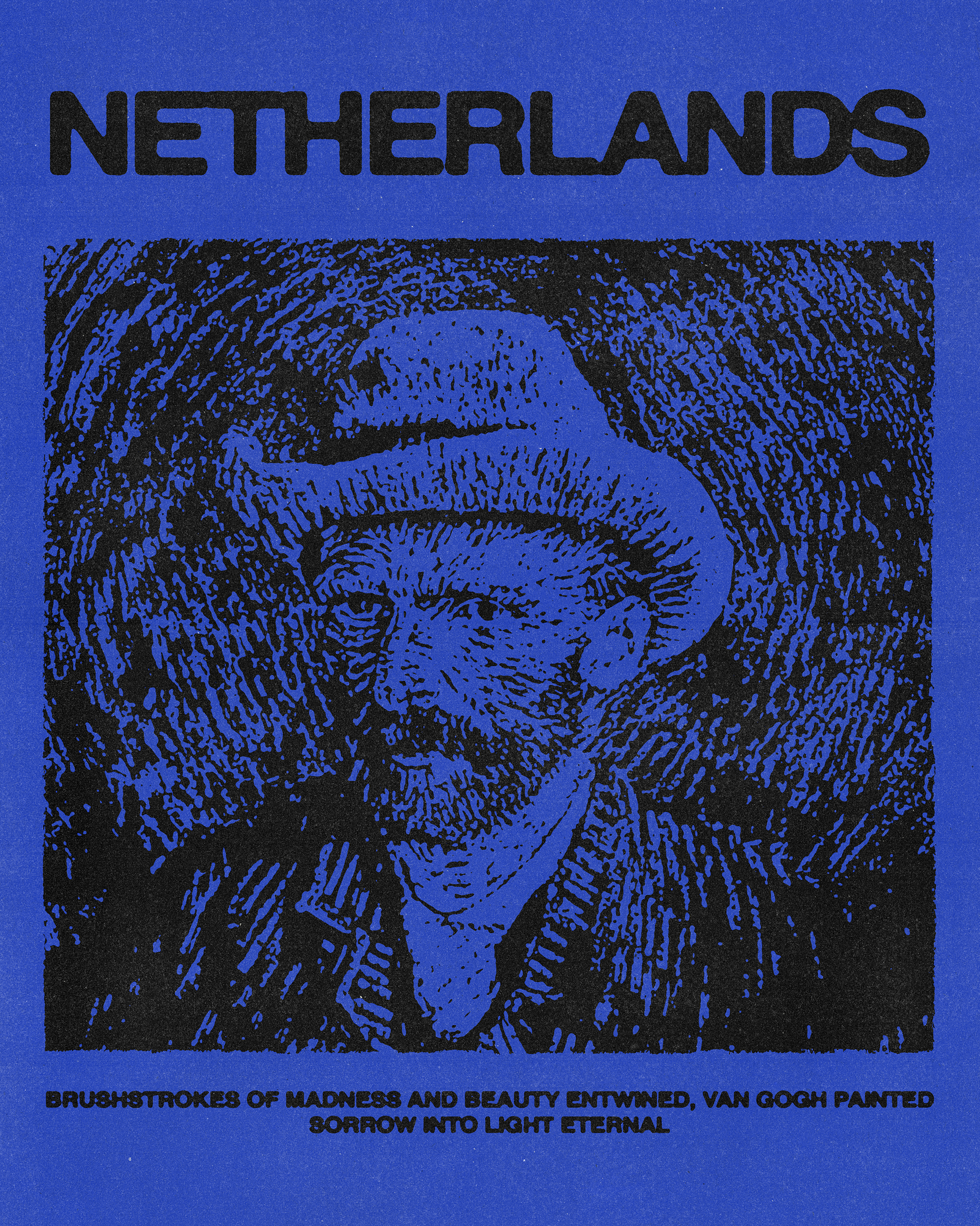
Netherlands
Vincent van Gogh one of the most influential figures in art history, transformed the world of painting with his bold colors and emotional intensity. Though unrecognized in life, his Dutch legacy lives on as a symbol of genius born from struggle.
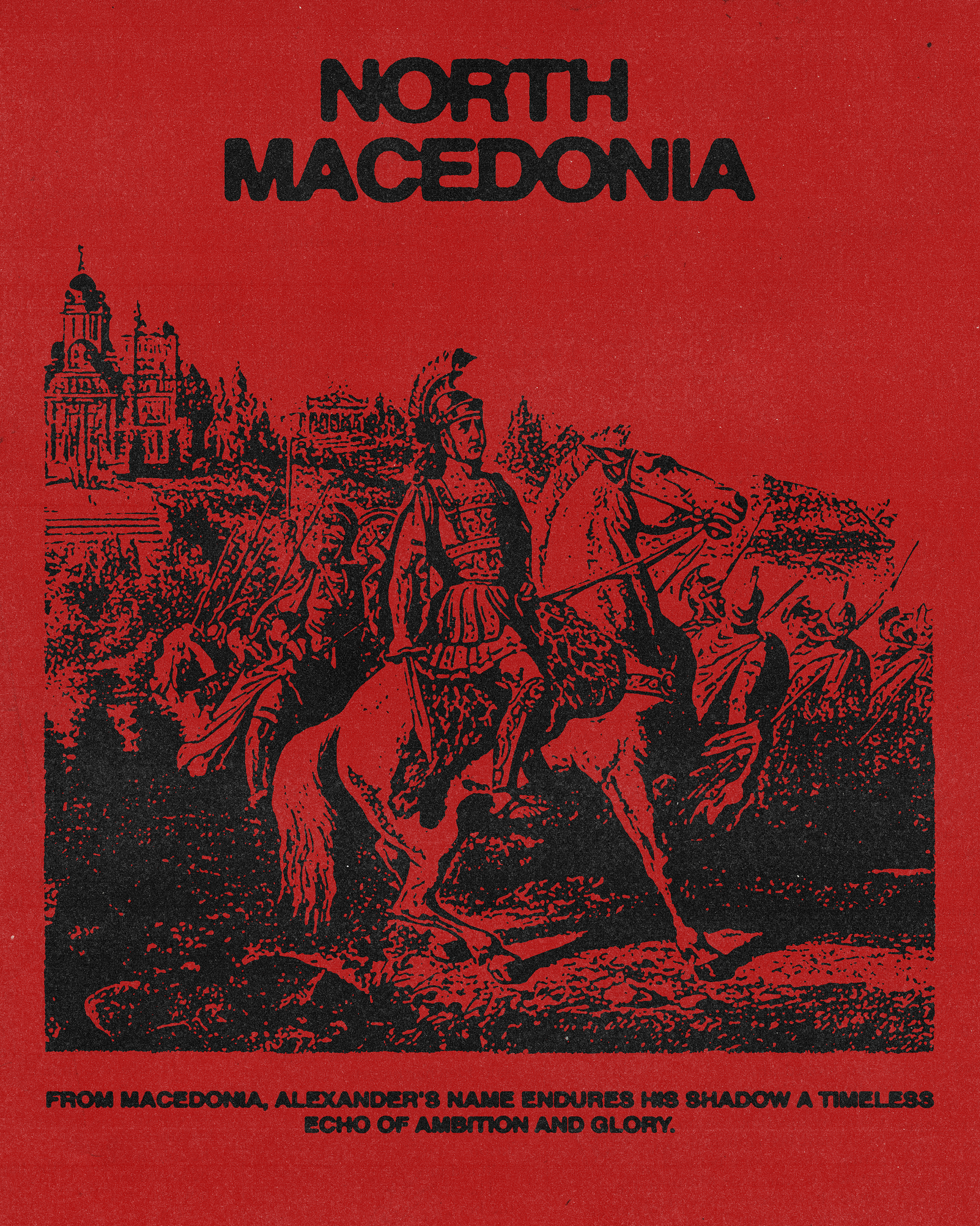
North Macedonia
North Macedonia proudly preserves the legacy of Alexander the Great, whose ancient kingdom of Macedon laid the foundations of one of history’s greatest empires, shaping the cultural and political landscape of the known world.
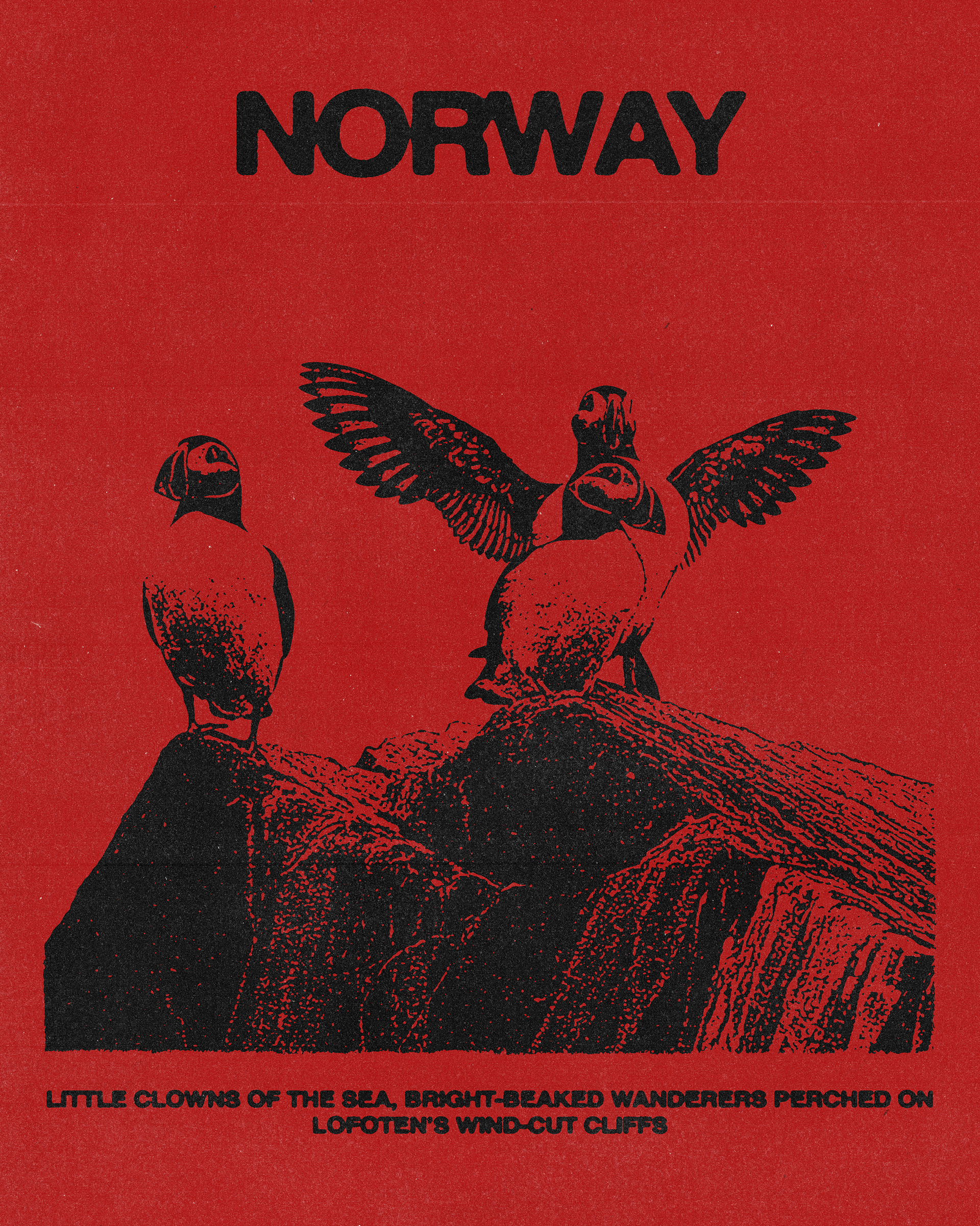
Norway
The Atlantic puffin colonies of Norway’s Lofoten Islands are a beloved emblem of the region’s wild beauty. Locals have long protected these seabirds, whose vibrant beaks and devoted nesting habits make them a symbol of both the Arctic’s fragile ecosystem and the enduring bond between Norwegians and the sea.
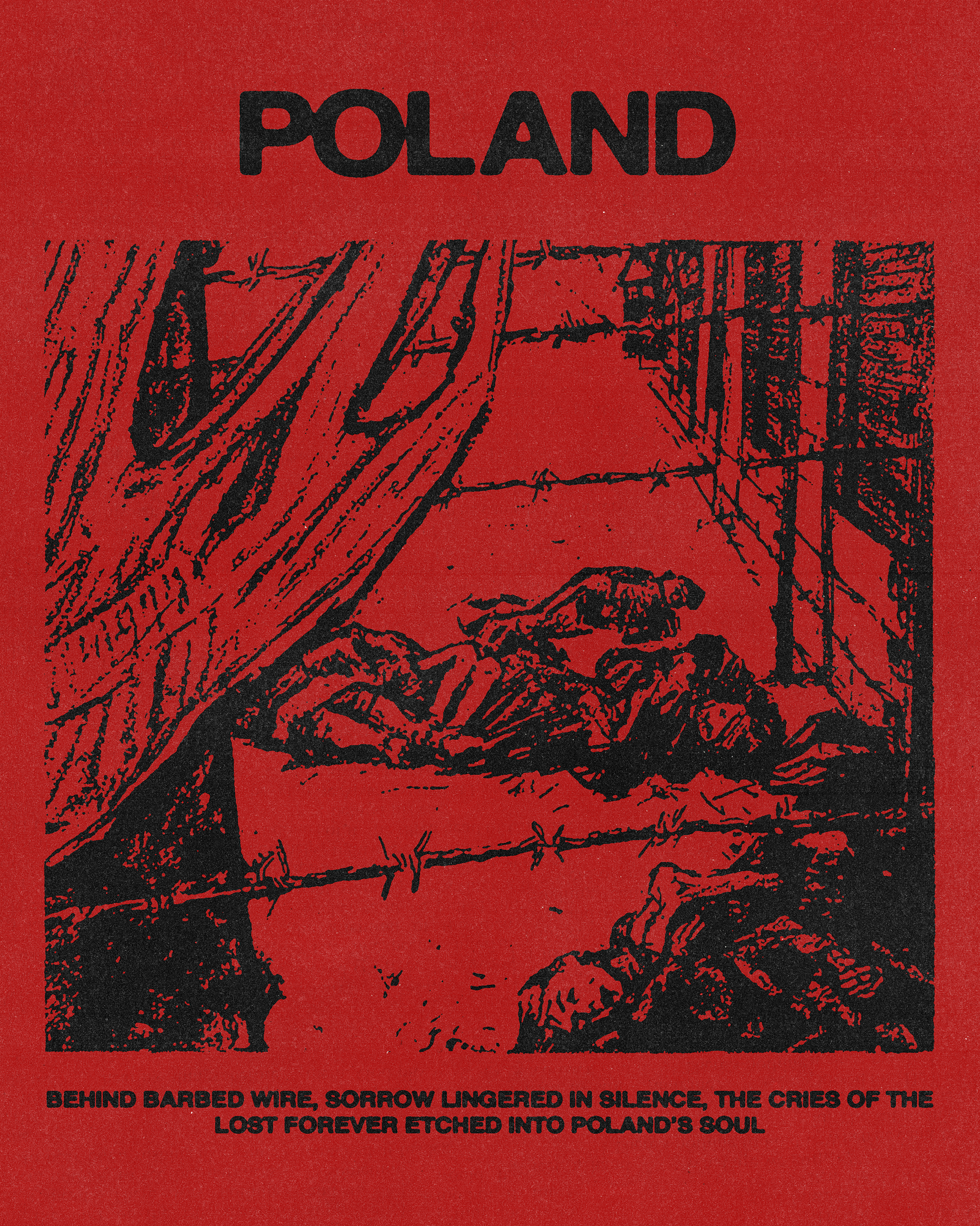
Poland
Poland was one of the countries most devastated by World War II, enduring the horrors of occupation, the Warsaw Uprising and the Holocaust. The trauma of those years profoundly scarred and shaped its people, leaving lasting echoes across generations.
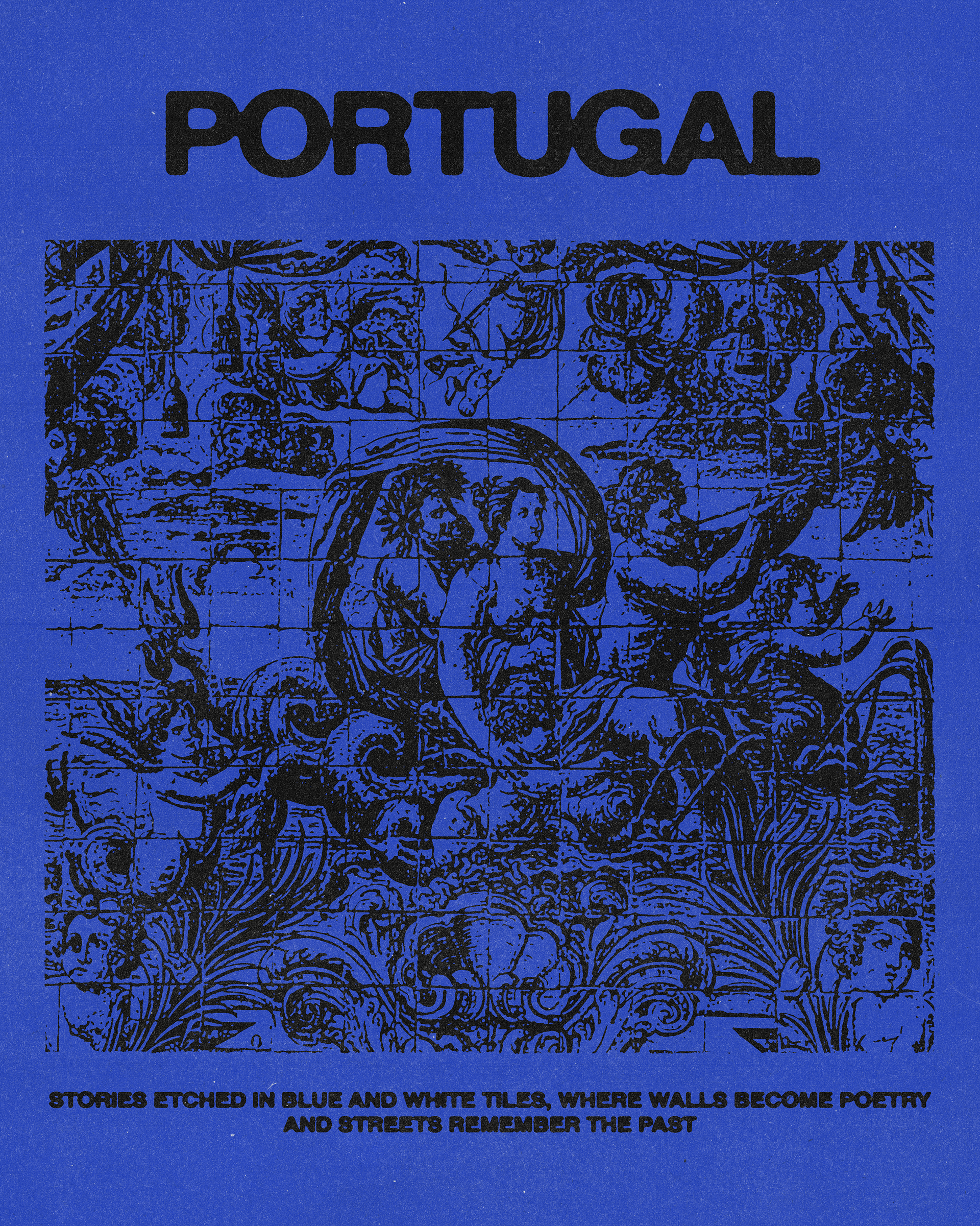
Portugal
Azulejos, Portugal’s famous ceramic tiles are more than decoration, they have adorned palaces, churches and homes for centuries, blending art with history and turning everyday walls into timeless storytellers.
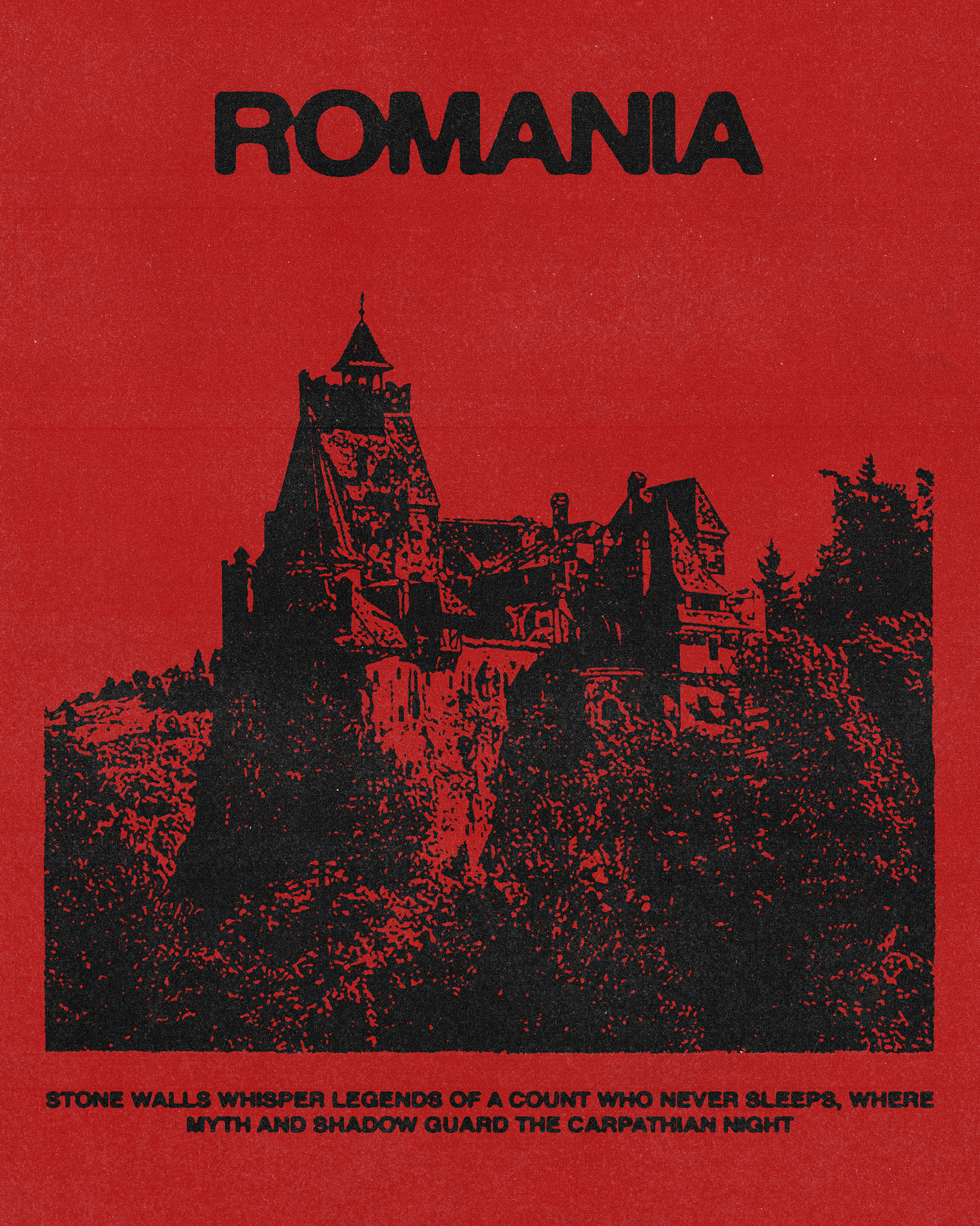
Romania
Bran Castle often linked to the Dracula legend, is one of Romania’s most famous landmarks, drawing visitors worldwide with its mix of medieval history, Gothic atmosphere and timeless folklore.
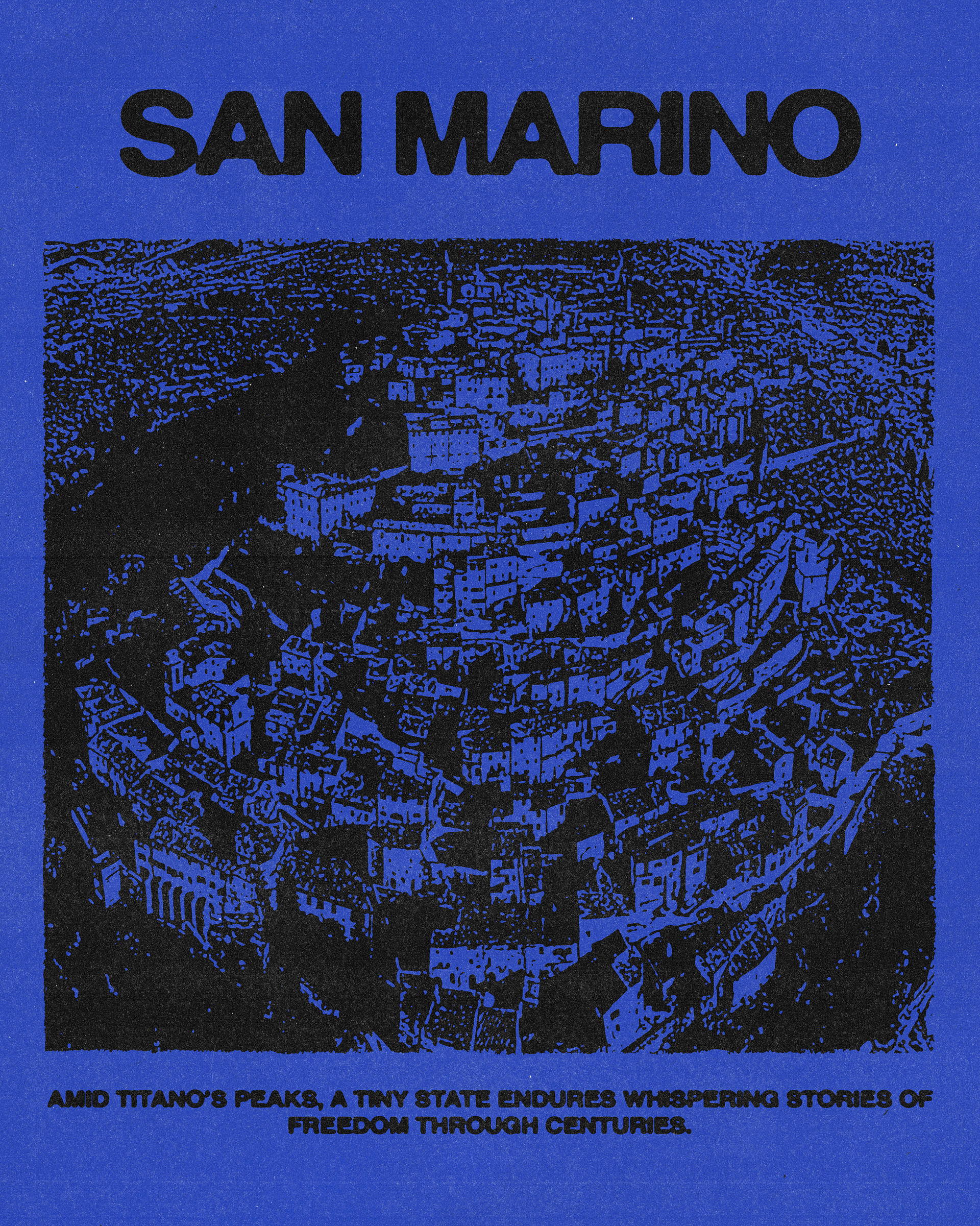
San Marino
Founded in 301 AD, San Marino is one of the world’s oldest republics. Nestled atop Mount Titano, it has maintained independence for over 1,700 years, making it a living symbol of resilience, democracy and enduring self-governance.
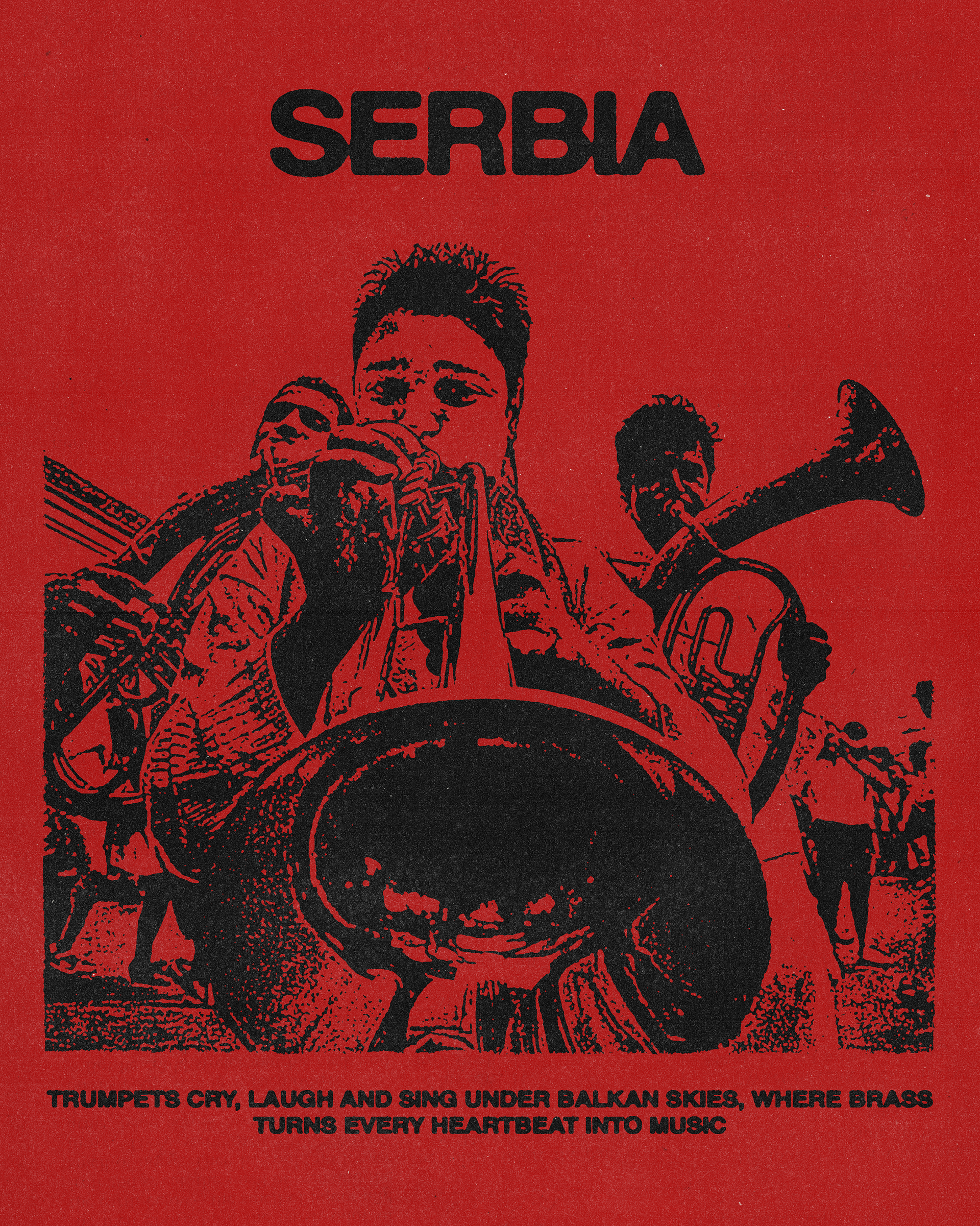
Serbia
The Guča Trumpet Festival in Serbia is one of the world’s largest brass music gatherings, drawing hundreds of thousands each year to celebrate traditional sounds with passion, dance and endless rhythm.
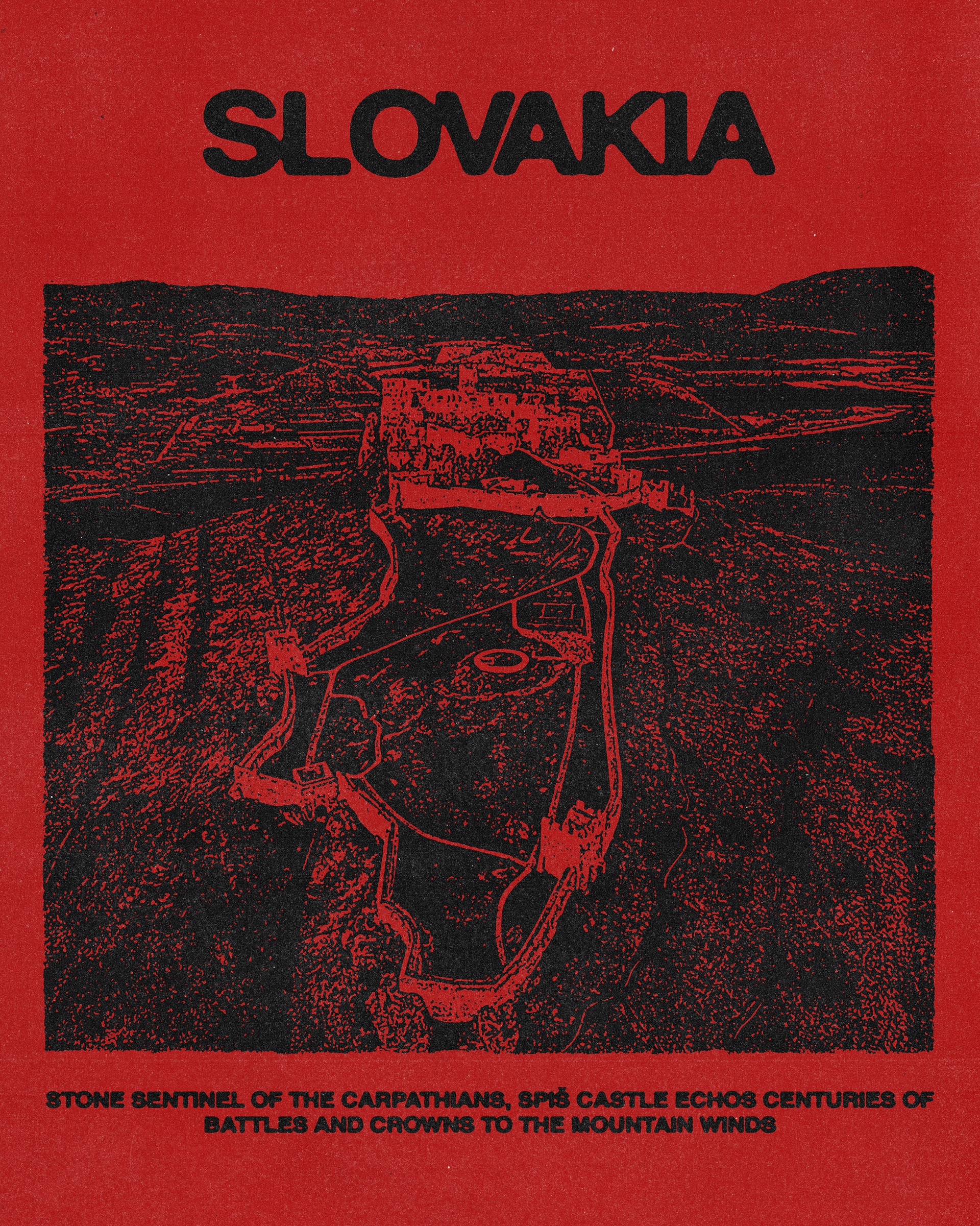
Slovakia
Spiš Castle is amongst the largest castle complexes in Europe and a UNESCO World Heritage site, it stands as a grand medieval fortress that once guarded the trade routes of Slovakia’s High Tatras region.
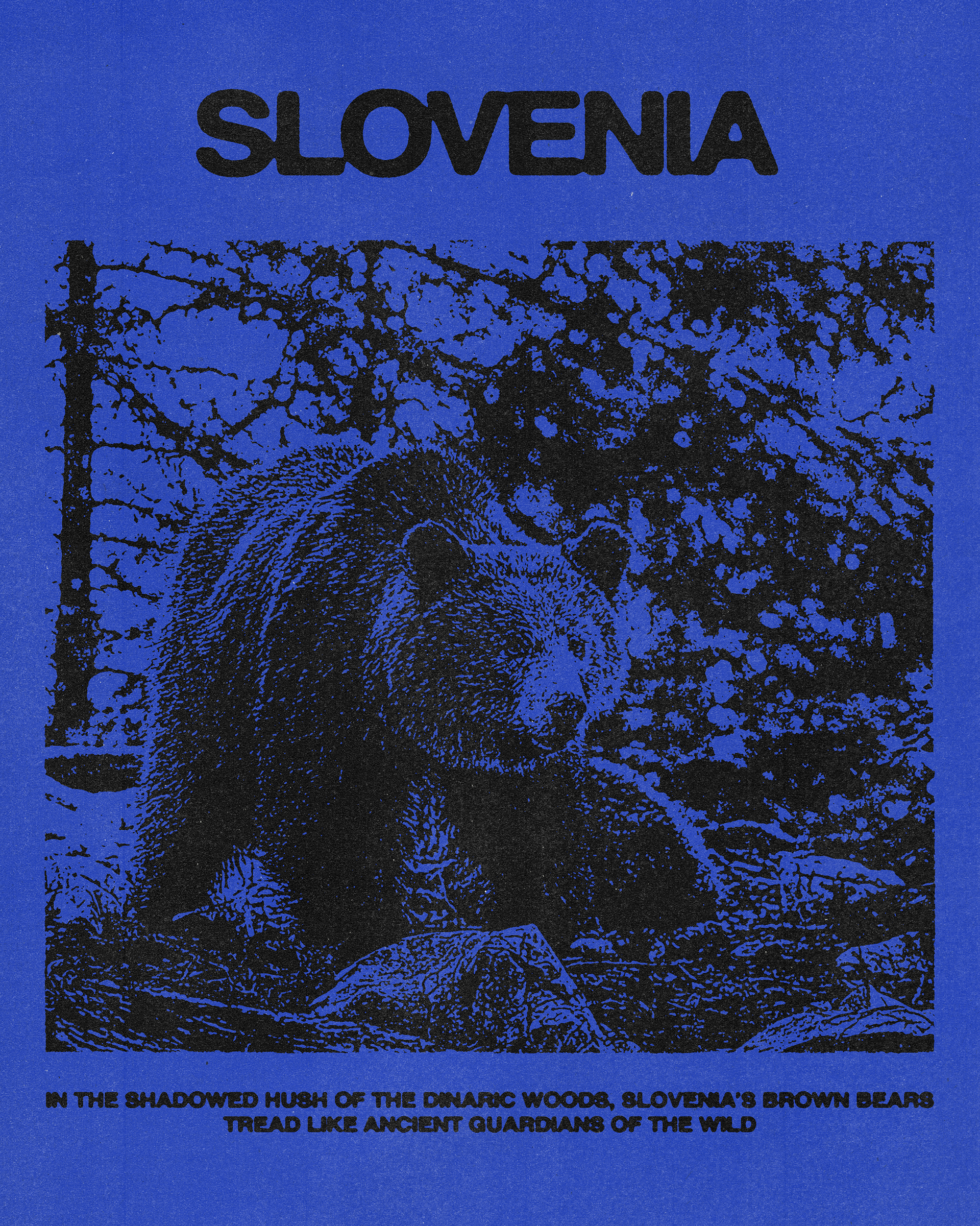
Slovenia
Slovenia’s Dinaric forests host one of Europe’s largest and most stable brown bear populations, protected through careful conservation that allows these elusive giants to roam freely among beech and fir.
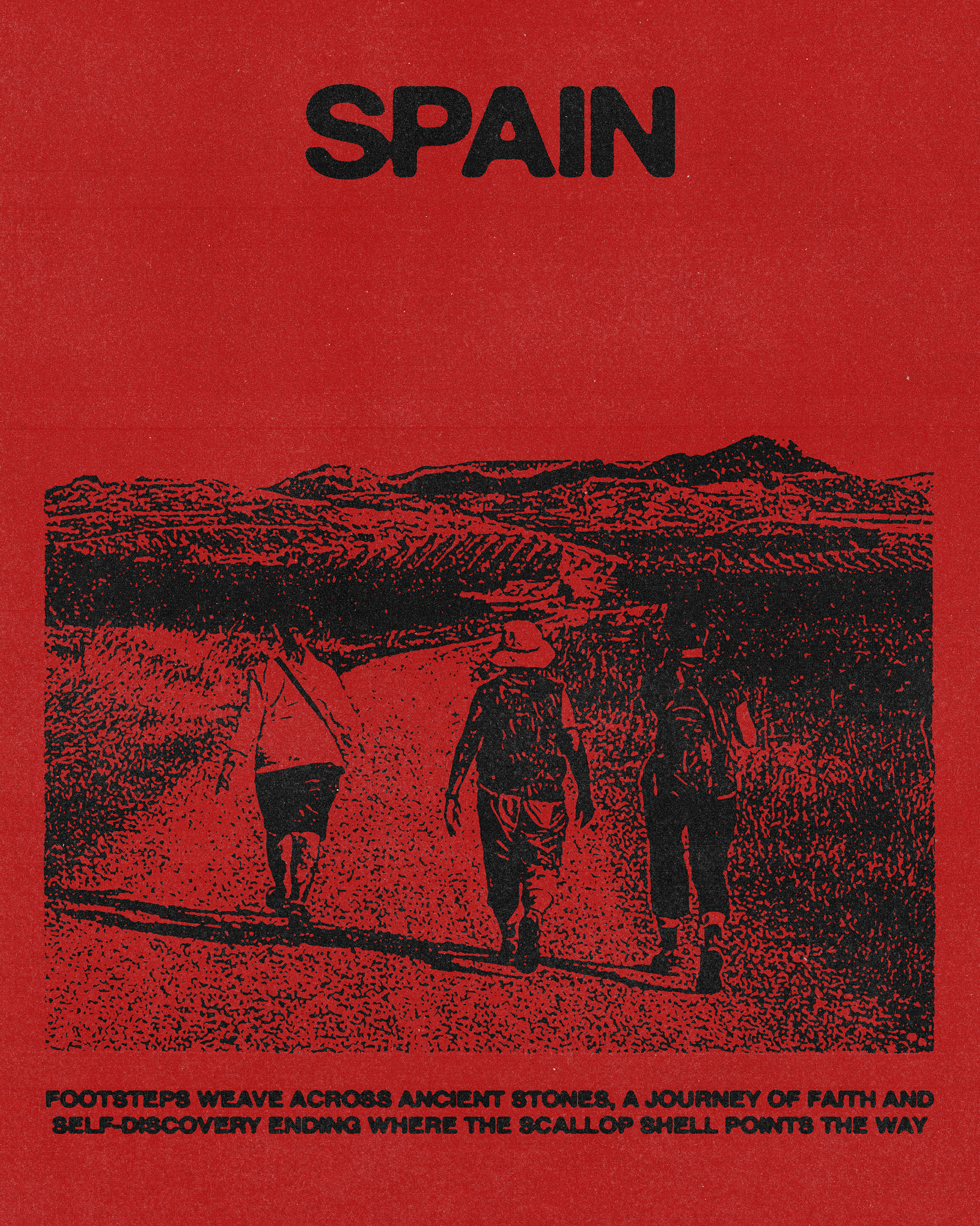
Spain
The Camino de Santiago or Way of St. James, is a historic pilgrimage route stretching across Spain, leading to Santiago de Compostela where the remains of the apostle St. James are said to rest.
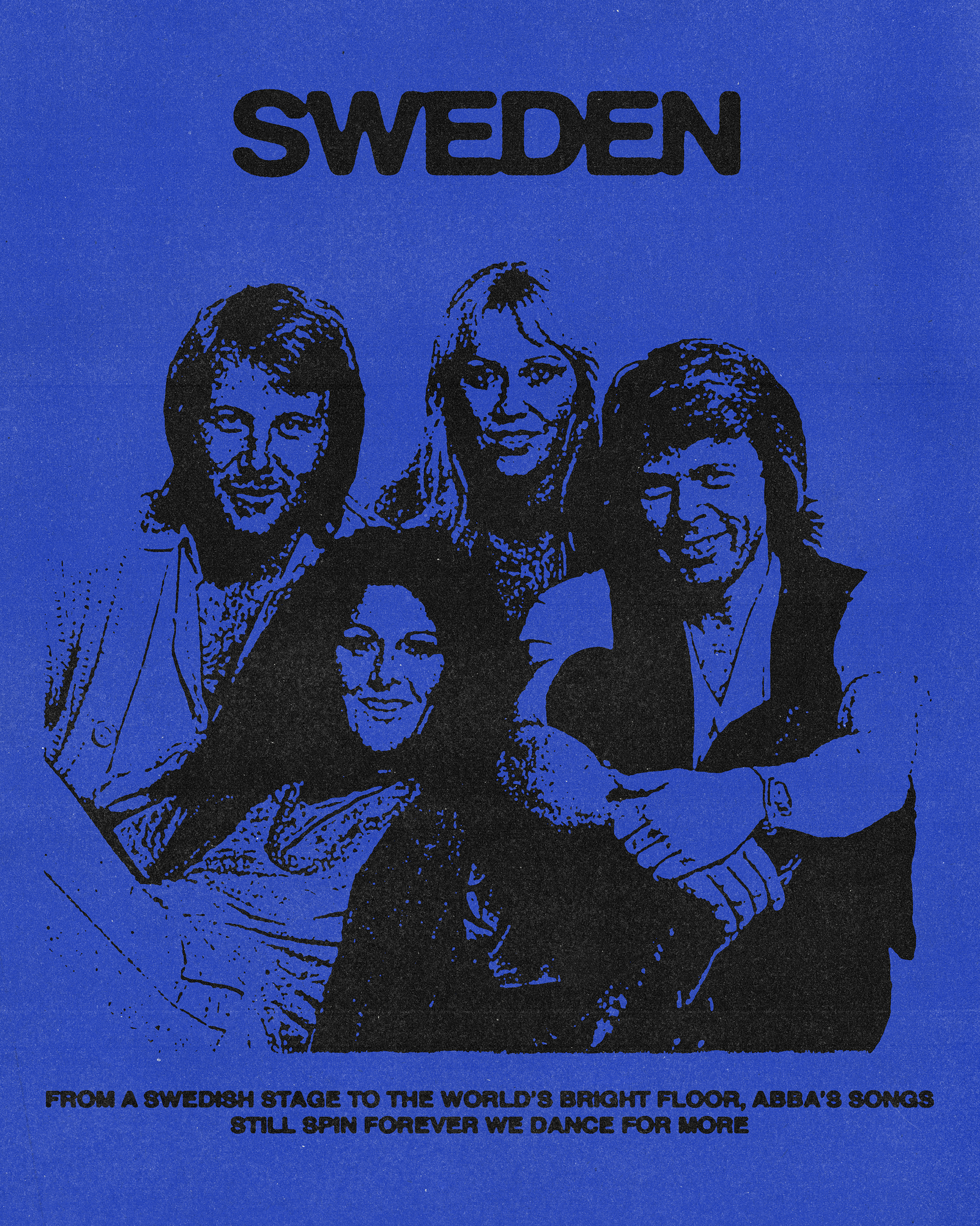
Sweden
Formed in Stockholm in 1972, ABBA became one of the best-selling music acts of all time, blending catchy pop hooks with lush harmonies and turning songs like Dancing Queen into anthems that continue to inspire and unite audiences worldwide.
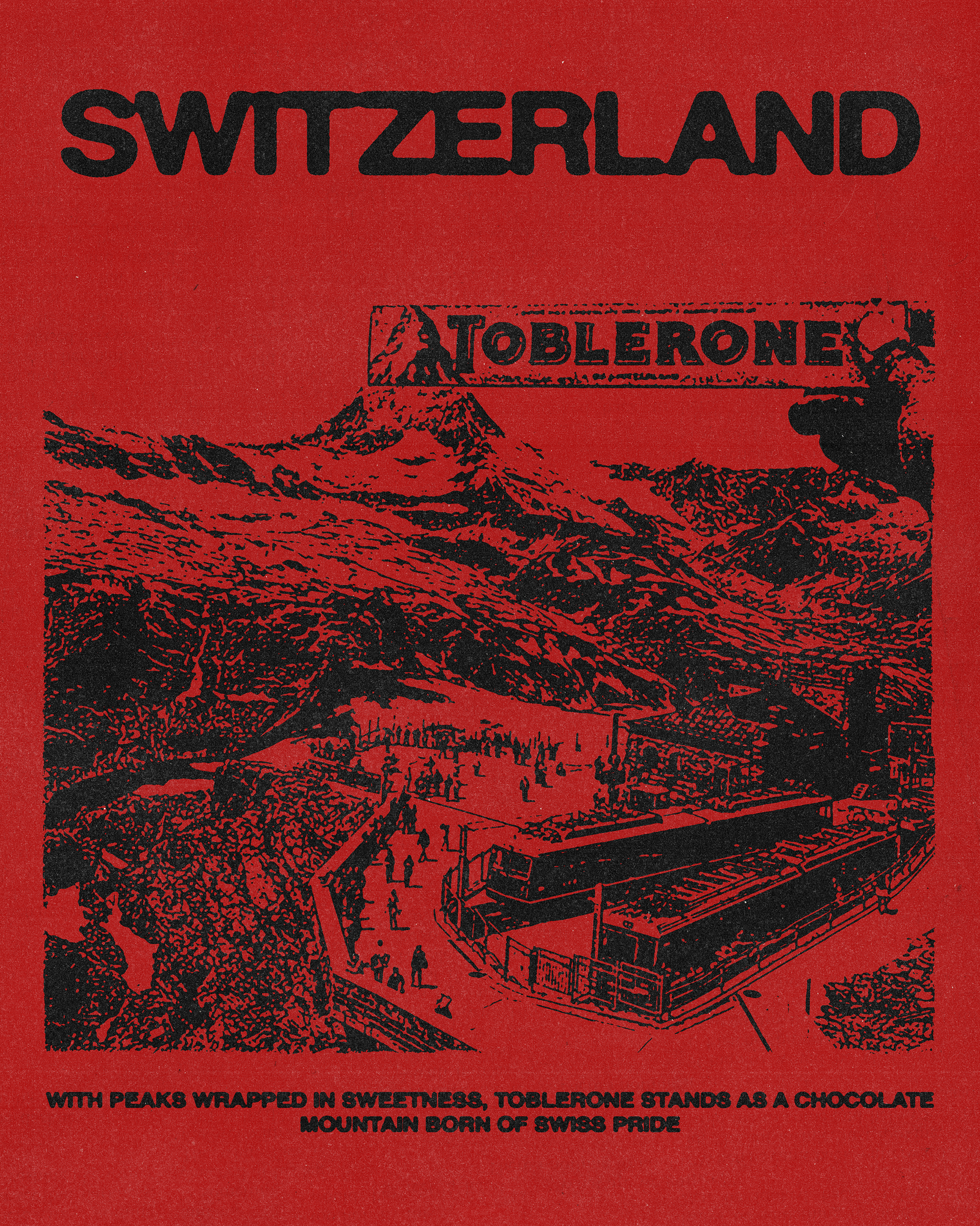
Switzerland
Toblerone, one of Switzerland’s most iconic chocolates was inspired by the Matterhorn, the majestic Alpine peak whose triangular shape is mirrored in every bar.
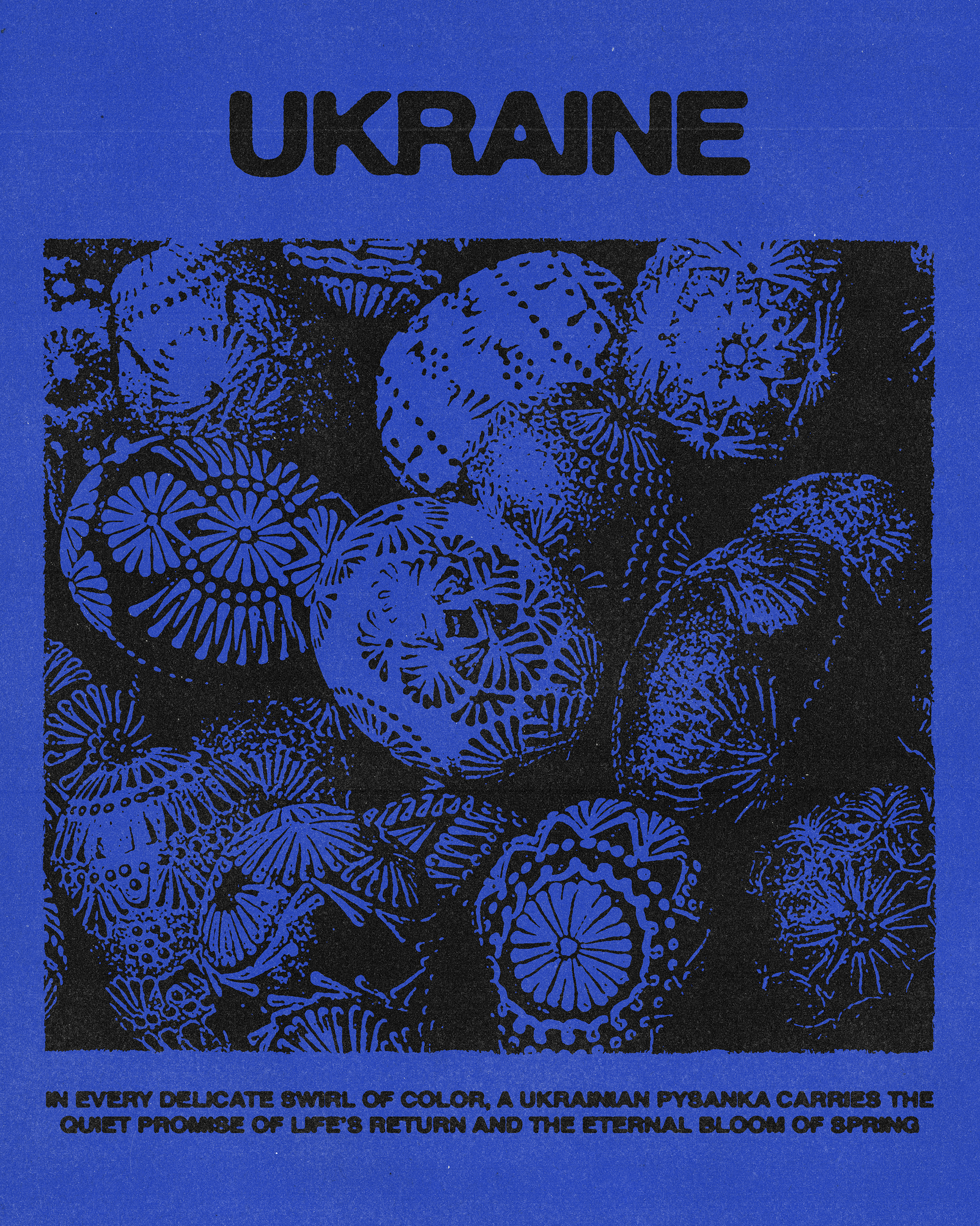
Ukraine
The art of pysanka, Ukraine’s intricately decorated Easter eggs dates back to pre-Christian times. Each symbol and color holds a meaning fertility, protection and renewal, turning every egg into a small talisman of hope and rebirth.
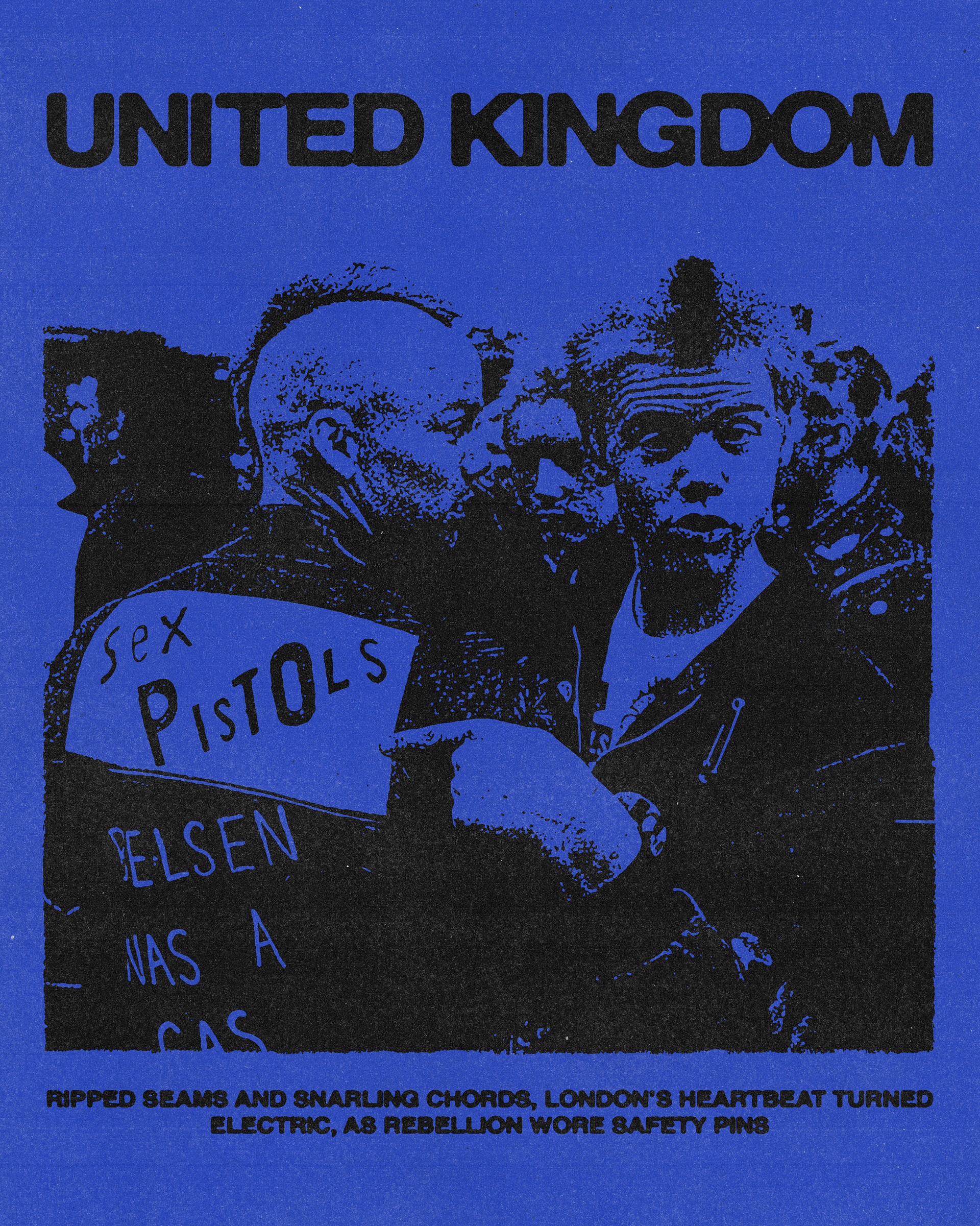
United Kingdom
In the late 1970s, the UK punk movement ignited by bands like the Sex Pistols, shook the foundations of music and culture. Their raw sound, DIY ethic and anti-establishment spirit redefined youth identity and gave rise to a fashion and music revolution that still inspires counterculture today.
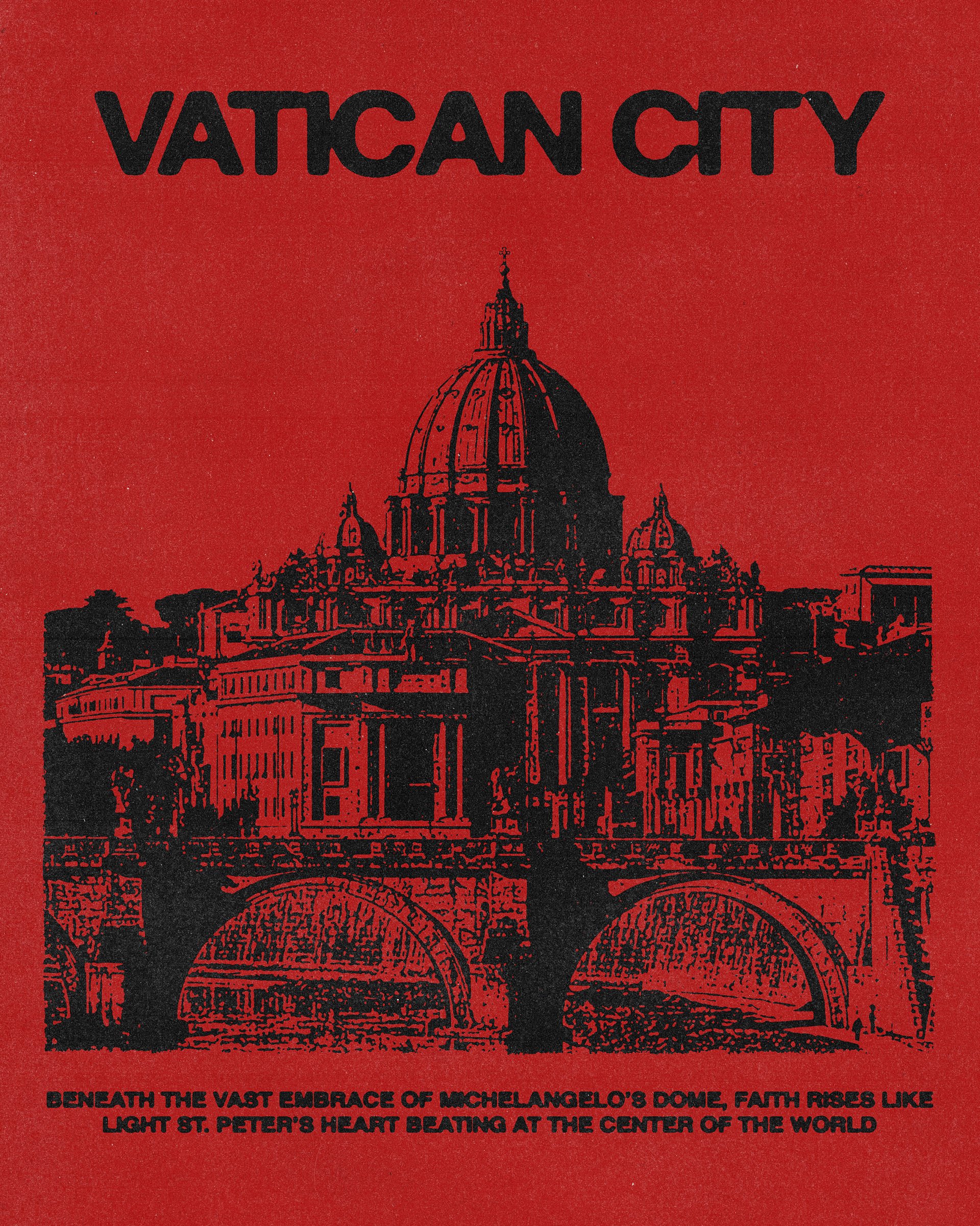
Vatican City
St. Peter’s Basilica completed in the 17th century, stands as the spiritual heart of Catholicism and a pinnacle of Renaissance architecture. Designed by masters including Michelangelo and Bernini, its grand dome and sweeping colonnade embody centuries of devotion and artistic genius, welcoming pilgrims from every corner of the globe.